Key Points
- The UK government has proposed amending the Licensing Act 2003 to allow digital ID to be used when buying alcohol.
- Policing and crime minister Sarah Jones announced the plan in the House of Commons on Tuesday 30 June.
- The change is intended to come into force in autumn 2026, subject to parliamentary scrutiny.
- Digital ID trials in UK retailers have been running since 2022.
- A 2024 Home Office consultation found 72% of respondents from local licensing authorities supported the move.
- Digital ID apps are already approved for buying energy drinks, tobacco and medicines under the UK Digital Verification Service.
- London-based technology firm Yoti publishes several of the approved apps, including Post Office EasyID and Yoti Digital ID.
- Yoti chief executive Robin Tombs described the announcement as a “major milestone” for the company and the UK.
- Yoti has downloaded more than 20 million times worldwide but is contesting a €950,000 fine from Spanish regulators.
- Countries including Australia, Estonia and several US states already permit digital ID for alcohol purchases.
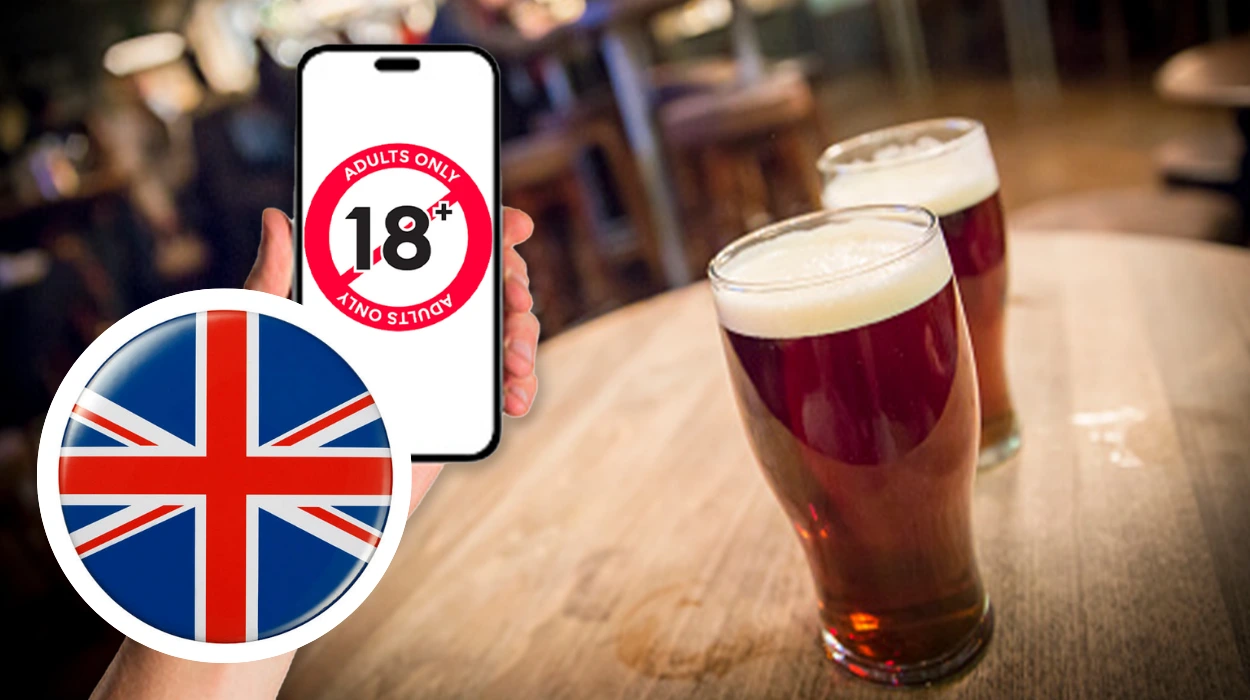
London (Britain Today News) July 01, 2026 – The UK government has set out plans to change the law so that shoppers and pub-goers can use digital identification to prove their age when buying alcohol, in what would be the first legislative move of its kind in the country. The proposal, unveiled in the House of Commons on Tuesday, would amend the Licensing Act 2003 to add digital ID as a recognised means of age verification alongside physical documents such as passports and driving licences.
- Key Points
- What Has the UK Government Proposed for Alcohol Sales?
- Why Is the Licensing Act 2003 Being Amended?
- What Did Sarah Jones Say About the Proposal?
- When Will the New Digital ID Rules Come Into Effect?
- What Did the 2024 Home Office Consultation Find?
- Which Products Already Accept Digital ID Verification?
- What Role Does Yoti Play in the UK’s Digital ID Rollout?
- What Has Robin Tombs Said About the Announcement?
- Which Other Countries Already Allow Digital ID for Alcohol Purchases?
- What Happens Next?
What Has the UK Government Proposed for Alcohol Sales?
Ministers have put forward an amendment to the mandatory licensing conditions attached to the Licensing Act 2003, the primary legislation governing the sale of alcohol in England and Wales. If approved, the change would formally permit licensed premises, including supermarkets, convenience stores, bars, pubs and nightclubs, to accept digital ID as valid proof of age. Until now, customers purchasing alcohol have generally been required to present a physical document such as a passport, photocard driving licence or a recognised proof-of-age card.
The proposal marks a significant shift in how age is verified at the point of sale, reflecting the wider adoption of smartphone-based identity technology across the retail sector in recent years. For shop workers and bar staff, the change would introduce a further method of confirming a customer’s age, used in addition to, rather than instead of, existing physical identification documents. Retailers and hospitality operators are expected to watch closely for further guidance on how the amendment will be implemented in practice once it clears Parliament.
Why Is the Licensing Act 2003 Being Amended?
The Licensing Act 2003 has governed the sale and supply of alcohol in England and Wales for more than two decades, and its mandatory conditions set out the acceptable forms of identification that retailers and hospitality venues can request from customers. The government’s proposed amendment does not replace these existing requirements but adds digital ID as an additional, legally recognised option, giving consumers a choice in how they verify their age.
The move follows years of trials and consultation, as well as the growing use of digital verification technology for other age-restricted products sold in the UK. Because the change is being introduced through the mandatory licensing conditions rather than wholesale replacement of the Act, the core structure of alcohol licensing law, including the responsibilities placed on premises licence holders and designated premises supervisors, is expected to remain unchanged. The amendment is instead intended to widen the range of documents and technologies that satisfy existing age-verification requirements.
What Did Sarah Jones Say About the Proposal?
Speaking in the House of Commons, Sarah Jones, the minister of state for policing and crime, set out the rationale behind the proposed change. She told MPs:
“In future, digital ID will be a quick and secure way to prove age without revealing any additional personal details to bar staff, and will mean that passports can be left safely at home by those who choose this option.”
Her comments underline two of the government’s central arguments in favour of the reform: convenience for consumers and improved privacy, since digital ID systems can confirm that a person meets the minimum age requirement without disclosing further personal information, such as a full date of birth or home address, to retail or venue staff.
When Will the New Digital ID Rules Come Into Effect?
The proposed amendment to the mandatory licensing conditions will first need to pass through parliamentary scrutiny before it can become law. Assuming this process is completed without significant delay, the government intends for the change to come into effect in autumn 2026.
The timeline gives licensed premises, retailers and technology providers several months to prepare for the shift, including staff training on how to verify and accept digital ID at the point of sale.
How Long Have Digital ID Trials Been Running in the UK?
Digital ID is not an entirely new concept for UK retailers. Trials of the technology began in 2022, giving the government and industry several years of practical experience before Tuesday’s announcement. These trials have allowed retailers to test how digital verification systems perform in real-world settings, including how quickly staff can check an app-based ID and how reliably the technology confirms a customer’s age.
The extended trial period has been cited as part of the evidence base supporting the government’s decision to move towards formal legislative recognition of digital ID for alcohol sales.
What Did the 2024 Home Office Consultation Find?
Ahead of Tuesday’s announcement, the Home Office ran a formal consultation in 2024 examining the potential use of digital age verification specifically for alcohol purchases. The consultation gathered views from a range of stakeholders, including local licensing authorities responsible for overseeing the sale of alcohol in their areas.
According to the findings, 72% of respondents from local licensing authorities were in favour of allowing digital age verification for alcohol sales. This level of support from licensing authorities, the bodies directly responsible for enforcing age-restriction rules at a local level, has been presented as a key indicator of practical confidence in the technology among those who regulate its use. Local licensing authorities are typically closest to the day-to-day enforcement challenges faced by retailers and venues, including instances of underage sales and disputes over the validity of identification presented at the till or the bar, making their level of support a notable data point in the government’s decision-making process.
Which Products Already Accept Digital ID Verification?
Alcohol would not be the first age-restricted category to accept digital identification in the UK. Smartphone-based ID apps can already be used to verify age when purchasing other restricted products, including energy drinks, tobacco and medicines, provided the app in question has been approved by the UK Digital Verification Service.
This existing framework means that, in many cases, retailers and their staff are already familiar with the process of checking a digital ID on a customer’s smartphone, even if alcohol sales have so far remained outside the scope of approved digital verification. The UK Digital Verification Service sets the standards that any provider must meet before its app can be used for age-restricted transactions, covering areas such as data security, identity assurance and the reliability of the verification process itself. Extending this same approved framework to alcohol sales would bring the category into line with tobacco, energy drinks and medicines, rather than requiring an entirely separate system.
What Role Does Yoti Play in the UK’s Digital ID Rollout?
A number of the apps currently approved under the UK Digital Verification Service are published by Yoti, a technology company based in London. Yoti’s portfolio includes Post Office EasyID and Yoti Digital ID, both aimed at consumers, as well as a separate product called ID Checker, which is designed specifically for use by staff at licensed premises to verify a customer’s digital ID.
Given the company’s existing presence in the UK’s approved digital verification ecosystem, Yoti is positioned as one of the technology providers likely to be directly affected by any extension of digital ID acceptance to alcohol sales.
Explore More about UK:
Meghan Markle Breaks Silence After Prince Harry’s UK Security Statement
Jordan Donica and Sierra Boggess Join The Phantom of the Opera’s 40th Anniversary London Cast
What Has Robin Tombs Said About the Announcement?
Robin Tombs, chief executive of Yoti, welcomed the government’s proposal. He said:
“The acceptance of digital IDs for alcohol sales is a major milestone for the UK. This will transform how people prove their age at licensed premises including supermarkets, convenience stores, bars, pubs and nightclubs.”
Tombs also placed the announcement in the context of the company’s history, adding:
“We’ve been working towards this for years. When we started Yoti in 2014, young adults told us they wanted to use our app at the supermarket and on nights out. We’re excited this will soon become a reality.”
His comments reflect more than a decade of development work by the company, which has positioned digital identity verification as a core part of its business since its founding in 2014.
Has Yoti Faced Any Controversy?
Despite reporting more than 20 million downloads of its apps globally, Yoti has not been without controversy. The company is currently facing a fine of €950,000 (US$1.1 million) from the Spanish government over allegations that it breached European Union general data protection laws.
Yoti has denied any wrongdoing in connection with the case and is appealing the ruling in the Spanish High Court. The outcome of that appeal remains pending, and the dispute sits alongside the company’s expanding role in the UK’s digital identity infrastructure.
Which Other Countries Already Allow Digital ID for Alcohol Purchases?
The UK would not be the first country to permit digital identification for alcohol sales if the proposed amendment becomes law. Digital ID can already be used for this purpose in Australia and Estonia, as well as in several individual states across the United States.
This existing international precedent has been referenced as part of the broader case for updating UK legislation, positioning the proposed change as bringing the country’s licensing framework into closer alignment with practices already established elsewhere.
What Happens Next?
With the amendment to the Licensing Act 2003 now before Parliament, the coming months are expected to bring further scrutiny of the proposal, including debate over how digital ID systems will be verified, monitored and enforced across the retail and hospitality sectors. Should the change proceed as planned, autumn 2026 would mark the point at which digital ID becomes a legally recognised option for proving age when buying alcohol in licensed premises across England and Wales, alongside the physical identification documents that remain in use today.