Oxford is a historic English city in Oxfordshire, home to the University of Oxford—the oldest university in the English-speaking world, established around 1096. The city features over 300 years of continuous academic history, 39 independent colleges, and landmarks like the 1040 Saxon Tower of St Michael at the North Gate, Oxford’s oldest surviving building.
- What is Oxford and why is it famous?
- How old is Oxford University and when was it founded?
- What are the must-visit historical landmarks in Oxford?
- Why should you visit the Bodleian Library?
- What makes Radcliffe Camera iconic?
- Why is Christ Church College famous?
- What is Oxford Castle’s historical significance?
- Where can you find Oxford’s hidden gems and unusual attractions?
- What unusual objects are in the Pitt Rivers Museum?
- Why visit the Oxford Covered Market?
- What makes Port Meadow special?
- What are the best Oxford colleges to visit?
- Why visit Magdalen College?
- What makes All Souls College exclusive?
- What Harry Potter filming locations exist in Oxford?
- How do you get from London to Oxford?
- What are the best historic pubs in Oxford?
- What museums should you visit in Oxford?
- What is the best time to visit Oxford?
- Where should you stay in Oxford?
- What literary connections does Oxford have?
- How much does it cost to visit Oxford’s main attractions?
- What makes Blenheim Palace worth visiting from Oxford?
What is Oxford and why is it famous?
Oxford is a cathedral city in Oxfordshire, England, famous for hosting the University of Oxford, the oldest university in the English-speaking world with teaching dating back to 1096. The city contains 39 independent colleges, medieval architecture, the Bodleian Library with 13 million books, and served as a filming location for Harry Potter at Christ Church College.
Oxford sits approximately 50 miles northwest of London and less than an hour from the city by train via Great Western Railway. The University of Oxford is not a single campus but a collection of 39 independent colleges scattered throughout the city, each with distinct opening hours and entrance fees.
The city’s architectural heritage includes the circular Radcliffe Camera built in 1749, the most photographed building in Oxford, and the Bodleian Library established in 1602. Oxford has produced world leaders including 13 British Prime Ministers from Christ Church alone, plus famous writers such as J.R.R. Tolkien, C.S. Lewis, Lewis Carroll, and Oscar Wilde.
How old is Oxford University and when was it founded?
Oxford University has no exact foundation date but teaching existed at Oxford in 1096, making it the oldest university in the English-speaking world with over 900 years of continuous existence. The university developed rapidly from 1167 when Henry II banned English students from attending the University of Paris.
The first colleges were established during the 13th century. University College, Balliol College, and Merton College are the oldest, founded between 1249 and 1264. By 1201, the University was headed by a magister scholarum, and the title of Chancellor was conferred in 1214. In 1231, the Masters were recognised as a universitas or corporation.
In around 1190, Emo of Friesland arrived as the first known overseas student, establishing the University’s tradition of international scholarly links. By 1355, Edward III paid tribute to the University for its invaluable contribution to learning, commenting on services rendered to the state by distinguished Oxford graduates.
The 16th century saw Henry VIII force the University to accept his divorce from Catherine of Aragon. Anglican churchmen Cranmer, Latimer, and Ridley were tried for heresy and burned at the stake in the city. The University was Royalist during the Civil War, and Charles I held a counter-Parliament in the Convocation House.
From 1878, academic halls were established for women, who were admitted as full members from 1920. By 1986, all male colleges admitted women, and since 2008, all colleges admit both men and women.
What are the must-visit historical landmarks in Oxford?
Oxford’s essential historical landmarks include the Saxon Tower of St Michael at the North Gate (built 1040, Oxford’s oldest building), the Bodleian Library (established 1602 with 13 million books), Radcliffe Camera (built 1749), Christ Church College, and Oxford Castle (partially ruined Norman medieval castle). These sites represent 900+ years of continuous history.
Why should you visit the Bodleian Library?
The Bodleian Library is one of Europe’s oldest libraries, established in 1602, housing over 13 million books and serving as a working library for Oxford University students. Visitors can tour Duke Humphrey’s Library (inspiration for Hogwarts’ Restricted Section) and the Divinity School, a Harry Potter filming location for Hogwarts’ infirmary.
The Bodleian is a working library for current Oxford University students while also offering public tours. Basic tours cost around £5. The Divinity School features stunning Gothic architecture and was used as Hogwarts’ hospital wing in Harry Potter films.
Duke Humphrey’s Library is a high-ceilinged medieval reading room transformed into the Restricted Section of the Hogwarts Library where Harry sneaks under his Invisibility Cloak. The library remains an active research facility while maintaining its historical significance.
What makes Radcliffe Camera iconic?
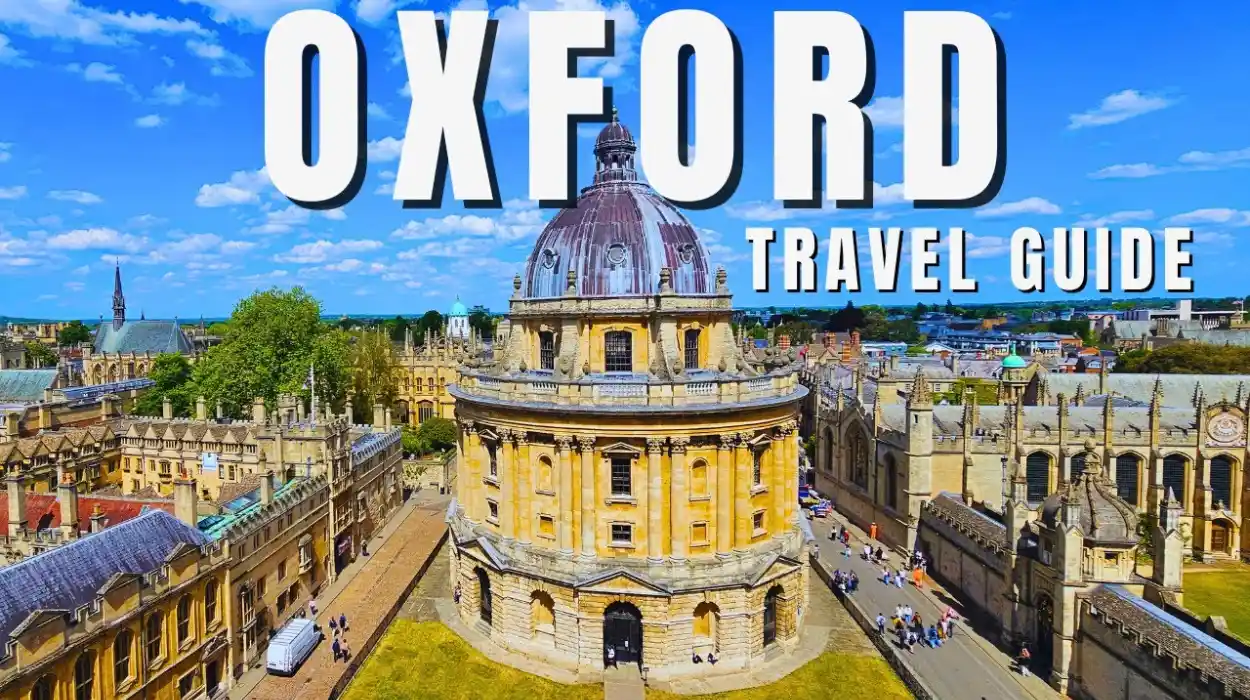
Radcliffe Camera is Oxford’s most photographed building, a circular library built in 1749 as part of the Bodleian Library system, accessible only via guided tour. Located in Radcliffe Square, it represents quintessential 18th-century neoclassical architecture and is surrounded by the University Church of St Mary the Virgin and All Souls College spires.
The building is named after John Radcliffe, a physician who funded its construction. Radcliffe Square itself is a beautiful spot to explore and experience Oxford’s historic center atmosphere. Even without entering, the exterior is worth viewing.
Why is Christ Church College famous?
Christ Church College is Oxford’s most famous college, home to the Great Hall that inspired Hogwarts’ dining hall in Harry Potter, the Bodley Staircase used in Harry Potter and the Sorcerer’s Stone, and a stunning cathedral. Entry costs £16 per person, and the college has produced 13 British Prime Ministers plus Lewis Carroll (Alice in Wonderland author).
The Bodley Staircase appears in Harry Potter and the Sorcerer’s Stone where Professor McGonagall first welcomes Harry and first-years to Hogwarts. Christ Church’s expansive meadows provide peaceful walking areas adjacent to St Aldate’s.
What is Oxford Castle’s historical significance?
Oxford Castle is a partly ruined Norman medieval castle built around 1020 AD, later converted to a prison, located in Oxford’s city center. St George’s Tower within the castle is one of two surviving towers and represents the oldest building component in Oxford.
The castle functions as a popular attraction with historical exhibits. Visitors can explore the medieval architecture and learn about Oxford’s Norman conquest history through the preserved structures.
Where can you find Oxford’s hidden gems and unusual attractions?
Oxford’s hidden gems include the Pitt Rivers Museum (featuring a witch trapped in a bottle and shrunken heads), the Story Museum, Saint Margaret’s Well, the Covered Market (dating to 1774), and Port Meadow (stretching north from central Oxford to Wolvercote). These locations offer unique experiences beyond standard tourist attractions.
What unusual objects are in the Pitt Rivers Museum?
The Pitt Rivers Museum houses archaeology and anthropology collections including a famous glass flask reputed to contain a witch and shrunken heads. The witch bottle is one of the most famous objects in the museum, serving as an excellent starting point for telling witchcraft stories.
The museum contains 17th-century glass and stoneware vessels believed to have been used as containers for prepared cures against witchcraft. The bottle was buried in secret priory grounds to prevent friends of the witch from retrieving it.
Why visit the Oxford Covered Market?
The Oxford Covered Market dates back to 1774 and houses independent vendors selling fresh produce, handmade gifts, food, and coffee. Featured vendors include Ben’s Cookies, Pieminister (traditional British pies), and Souvlaki Brothers (authentic Greek street food). Entry is free.
The market functions as a treasure trove of local treats and timeless stories. It serves as an excellent lunch location with multiple food stalls offering diverse culinary options.
What makes Port Meadow special?
Port Meadow is Oxford’s most pleasant riverside stroll, stretching north from central Oxford to Wolvercote with floodplains reaching into the city heart. The meadow provides wealth of green spaces and serves as one of Oxford’s premier natural attractions.
The floodplains for Oxford’s two rivers (Thames and Cherwell) reach right into the city heart, creating extensive green spaces for walking and nature observation.
What are the best Oxford colleges to visit?
Oxford’s best colleges to visit include Christ Church (£16, Harry Potter filming locations, 13 Prime Ministers), Magdalen College (£9, deer park, C.S. Lewis taught here), All Souls College (free, exclusive, Christopher Wren studied here), New College (£8, Harry Potter Goblet of Fire cloisters), and Exeter College (£3, J.R.R. Tolkien’s college, beautiful gardens). Each offers distinct historical significance and architectural features.
Why visit Magdalen College?
Magdalen College features stunning cloisters, chapel, gardens, and a deer park where deer have roamed for centuries. C.S. Lewis taught here, and the college’s peaceful riverside setting makes it ideal for exploration. Entry costs around £9 per person.
The college’s cloisters represent some of Oxford’s most picturesque architecture. The deer park provides unique wildlife encounters within an academic setting.
What makes All Souls College exclusive?
All Souls College is one of Oxford’s most exclusive colleges, famous for its extremely selective entrance exam and breathtaking Codrington Library. Christopher Wren (architect of St Paul’s Cathedral London) studied here. Entry is free, and visitors can explore the courtyard and chapel.
The college’s architecture represents exceptional examples of Oxford’s academic building design. Its selective admissions process maintains its prestigious reputation.
What Harry Potter filming locations exist in Oxford?
Oxford’s Harry Potter filming locations include the Bodleian Library’s Divinity School (Hogwarts infirmary), Duke Humphrey’s Library (Hogwarts Restricted Section), Christ Church College’s Bodley Staircase (McGonagall welcomes Harry), Christ Church Great Hall (Hogwarts dining hall inspiration), and New College Cloisters (Draco Malfoy turned into ferret in Goblet of Fire). Guided Harry Potter tours cost around £25 per person.
The Divinity School served as Hogwarts’ infirmary where students recovering from magical mishaps were filmed. Duke Humphrey’s Library’s high-ceilinged medieval reading room became the Restricted Section where Harry sneaks under his Invisibility Cloak.
Christ Church’s Bodley Staircase appears in Harry Potter and the Sorcerer’s Stone. The Great Hall inspired Hogwarts’ dining hall. New College Cloisters featured the courtyard where Draco Malfoy is turned into a ferret by Mad-Eye Moody.
How do you get from London to Oxford?
The easiest way to reach Oxford from London is by train from London Paddington via Great Western Railway, taking about 1 hour with departures every 30 minutes. Alternative service from London Marylebone via Chiltern Railways takes about 1 hour 10 minutes, also departing every 30 minutes. Oxford is less than an hour from London and extremely walkable once arrived.
Great Western Railway tickets are available at the station, online through the GWR website, or via train ticketing apps. The train service avoids London traffic and provides fast, direct access.
Chiltern Railways offers a less crowded alternative to GWR. Both services provide reliable connections between London and Oxford.
What are the best historic pubs in Oxford?
Oxford’s best historic pubs include the Bear Inn (oldest pub in Oxford, dating to 13th century), King’s Arms (Shakespearean history, Shakespeare once performed there), Turf Tavern (hidden pub where Bill Clinton “did not inhale”), The Perch (riverside pub with large beer garden), and Chequers (traditional pub in hidden alley). Entry is free, pay for drinks.
The Bear Inn features old ties hanging from the ceiling and represents Oxford’s oldest drinking establishment. The King’s Arms has documented Shakespearean connections from when actors and playwrights frequented the location.
The Turf Tavern is historically famous as the location where Bill Clinton made his “did not inhale” statement regarding marijuana. The Perch offers picturesque riverside setting perfect for lazy afternoon drinks.
What museums should you visit in Oxford?
Oxford’s essential museums include the Ashmolean Museum (founded 1683, Britain’s first public museum with Egyptian mummies, Greek/Roman sculptures, Renaissance paintings), Museum of Natural History (home of Oxford dodo remains), Museum of the History of Science (Britain’s oldest purpose-built museum building), and Pitt Rivers Museum (archaeology and anthropology with witch bottle and shrunken heads). All four museums offer free entry.
The Ashmolean Museum houses art, archaeology, and historical artifacts spanning multiple civilizations. The Museum of Natural History contains the famous Oxford dodo remains, one of the museum’s most recognizable specimens.
The Museum of the History of Science represents Britain’s oldest purpose-built museum building, housing extensive scientific instrument collections. The Pitt Rivers Museum provides unique anthropology exhibits including the famous witch bottle.
What is the best time to visit Oxford?
Spending at least three days in Oxford is ideal to experience its charm, history, and hidden gems, though Oxford works well as a day trip destination. The city is extremely walkable, with walking being the best exploration method. Oxford Christmas Market provides cozy holiday cheer during festive season.
Three days allows visitors to explore multiple colleges, museums, and hidden attractions without rushing. Day trips work for focused visits to major landmarks like Christ Church and the Bodleian Library.
The Christmas Market offers seasonal festivities with holiday cheer. Blenheim Palace (10 miles north of Oxford, 20 minutes drive) features breathtaking Christmas experiences with history and holiday lights combining.
Where should you stay in Oxford?
Oxford’s best hotels include The Randolph Hotel (luxury, Victorian Gothic architecture since 1864, across from Ashmolean Museum), Old Bank Hotel (boutique, High Street location, Quod restaurant), Malmaison Oxford (unique, converted Victorian prison with cell rooms), and Old Parsonage Hotel (17th-century boutique, cozy fireplaces, library). Summer college accommodations offer budget-friendly options at Magdalen, Keble, and St Anne’s Colleges.
The Randolph Hotel features Victorian Gothic architecture, luxurious interiors, five-star service, Alice Restaurant, and Morse Bar. Located directly across from the Ashmolean Museum.
Malmaison Oxford transforms old prison cells into luxury rooms with contemporary design near Oxford Castle. The Old Parsonage Hotel offers cozy fireplaces, excellent library, and Parsonage Grill restaurant.
University College accommodations during summer months provide unique budget experiences staying in actual Oxford Colleges including Magdalen, Keble, and St Anne’s.
What literary connections does Oxford have?
Oxford’s literary connections include J.R.R. Tolkien (Exeter College, wrote Lord of the Rings and Harry Potter influences), C.S. Lewis (Magdalen College, wrote Narnia), Lewis Carroll (Christ Church, wrote Alice in Wonderland), Oscar Wilde (Magdalen College), and Christopher Wren (All Souls College, architect of St Paul’s Cathedral). The Eagle and Child pub where Tolkien and Lewis met serves as a literary walking tour stop.
Tolkien taught at Exeter College and wrote his famous works while living in Oxford. C.S. Lewis taught at Magdalen College and created Narnia inspired by Oxford landscapes. Lewis Carroll studied at Christ Church before writing Alice in Wonderland.
Literary walking tours visit The Eagle and Child pub (Tolkien and Lewis meeting location), Alice’s Shop (Alice in Wonderland connections), and Narnia inspirations. Tours cost around £20 per person.
Explore More about UK:
United Kingdom Travel Guide: Top Places to Visit Now
Private Winnie-the-Pooh Gardens Set for Rare Public Opening 2026
How much does it cost to visit Oxford’s main attractions?
Oxford attraction costs include Christ Church (£16), Magdalen College (£9), New College (£8), Exeter College (£3), Merton College (£5), Balliol College (£3), Bodleian Library basic tour (£5), St Mary’s Church Tower (£5), Sheldonian Theatre (£3), Harry Potter tour (£25), literary walking tour (£20), and Blenheim Palace (£30). All Souls College, Covered Market, and museums offer free entry.
Budget visitors can access free attractions including All Souls College, Covered Market, Ashmolean Museum, Museum of Natural History, Museum of History of Science, and Pitt Rivers Museum. Paid attractions range from £3-£25 for most college and museum visits.
Premium experiences include Blenheim Palace (£30), Harry Potter tours (£25), and literary walking tours (£20). Afternoon tea at The Randolph costs around £40 per person.
What makes Blenheim Palace worth visiting from Oxford?
Blenheim Palace is a UNESCO World Heritage Site located 10 miles north of Oxford (20 minutes drive), featuring English Baroque architecture, landscaped gardens, walking trails, and serving as Winston Churchill’s birthplace. Entry costs around £30 per person. Films including James Bond and Harry Potter were filmed here.
The palace represents one of England’s finest English Baroque architecture examples. Gardens include beautifully landscaped areas with extensive walking trails for exploration.
Blenheim Palace Christmas experiences combine history with holiday lights creating breathtaking adventures. The Orangery Restaurant serves grand afternoon tea (£35-£45) with palace garden views.
Oxford has produced world leaders, famous writers, scientists, and influential thinkers including Sir Christopher Wren, C.S. Lewis, J.R.R. Tolkien, and Stephen Hawking. The university established major research capacities in natural and applied sciences including medicine during the 20th and early 21st centuries.
During the COVID-19 response, Oxford University developed the Oxford/AstraZeneca vaccine. By early 2022, more than 2.6 billion doses were supplied to over 180 countries, helping prevent 50 million COVID-19 cases, five million hospitalizations, and saving more than one million lives.
Oxford remains an international focus for learning and intellectual debate with nine centuries of continuous existence. The city combines historic charm with modern comforts, offering luxury stays, boutique experiences, and budget-friendly options for every visitor type.