Key Points
- Prime Minister Keir Starmer confirmed to NATO Secretary General Mark Rutte that the UK will publish its defence investment plan before the NATO summit in Ankara
- The call between Starmer and Rutte took place on Saturday, with both agreeing that allies must strengthen collective defence
- Both leaders emphasised the need to deliver more quickly in response to shared and evolving threats
- The announcement follows mounting politics pressure on Starmer after defence minister John Healey resigned on Thursday
- John Healey accused Starmer of failing to commit the resources needed to keep Britain safe from mounting threats
- The Downing Street spokesperson stated the prime minister updated Rutte on plans for the defence investment plan
- The spokesperson underlined Starmer’s commitment to publish the plan ahead of the NATO summit in Ankara
- NATO Secretary General welcomed the UK’s increased investment in defence as an important contribution to the alliance
- Rutte recognised the UK’s defence investment as important for meeting the threats we face
- The NATO summit in Ankara is scheduled for July 7-8, 2026
- Britain’s defence investment plan had been due last year but was delayed
- Starmer reiterated his aim to raise defence spending to 3% of GDP in the next parliament
- The prime minister stated national security remains the government’s top priority despite difficult budget choices
- The commitment comes amid growing concerns about Britain’s defence capabilities and resources
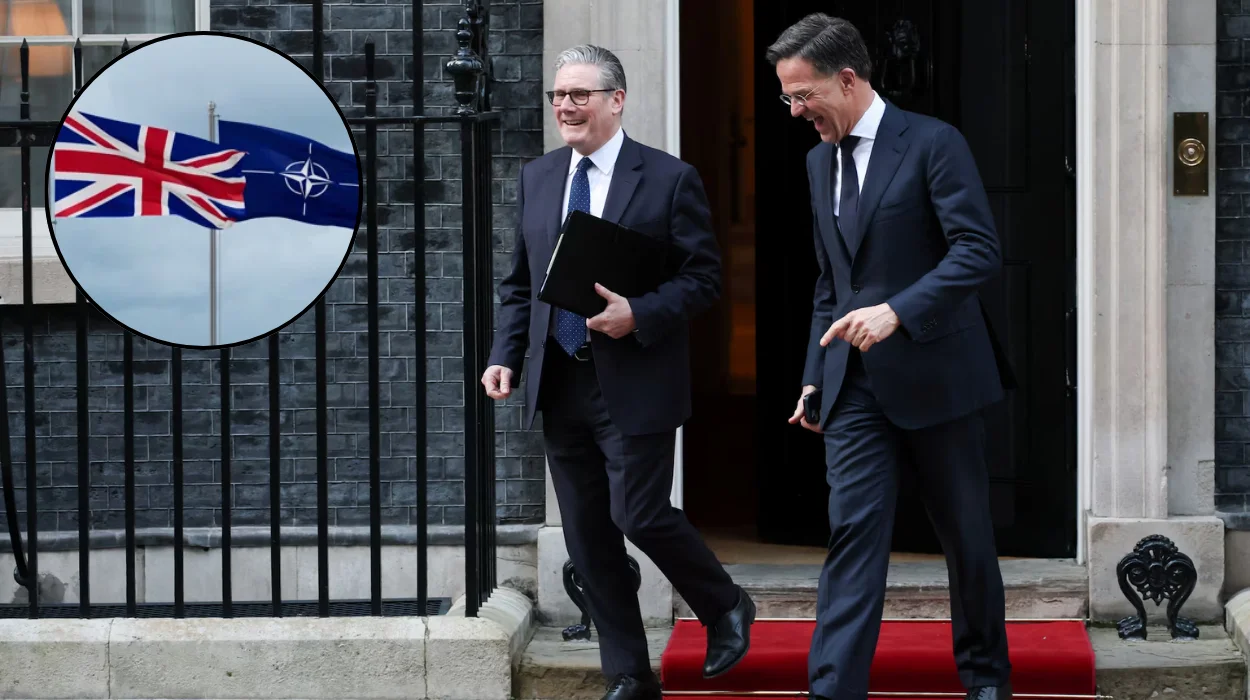
North London (Britain Today News) June 13, 2026 – British Prime Minister Keir Starmer told NATO Secretary General Mark Rutte on Saturday he would publish the government’s defence investment plan before the alliance’s summit in Ankara next month, a Downing Street spokesperson said.
- Key Points
- What Did Starmer Confirm to Rutte About the UK Defence Plan?
- Why Is This Defence Plan Being Published Now?
- What Did Healey Say About Starmer’s Defence Commitments?
- What Agreement Did Starmer and Rutte Reach on Collective Defence?
- What Statement Did the Downing Street Spokesperson Make?
- How Did NATO Secretary General Respond to UK Defence Investment?
- When Is the NATO Summit in Ankara Scheduled?
- Why Was Britain’s Defence Investment Plan Due Last Year?
- What Defence Spending Target Did Starmer Reiterate?
- What Priority Did Starmer Give to National Security?
- What Context Exists Around the Political Pressure on Starmer?
- What Implications Does This Have for UK-NATO Relations?
- What Challenges Will the Government Face in Implementing This Plan?
- What Does This Mean for Future Defence Policy?
- How Does This Compare to Other NATO Members?
- What Timeline Exists for Publishing the Defence Plan?
- What Are the Broader Security Implications?
- What Political Consequences May Follow Healey’s Resignation?
- What Does This Signal About UK Defence Priorities?
What Did Starmer Confirm to Rutte About the UK Defence Plan?
The prime minister updated on plans for the defence investment plan, underlining his commitment to publish it ahead of the NATO summit in Ankara, the spokesperson said in a statement. This confirmation represents a significant development in the UK’s relationship with NATO and addresses growing concerns about Britain’s defence commitments.
The Downing Street spokesperson provided clear details about the timing and commitment, stating that the prime minister has made a firm promise to deliver the defence investment plan before the critical July summit. This announcement comes at a crucial moment for UK defence policy and international relations.
Why Is This Defence Plan Being Published Now?
The call follows mounting political pressure on Starmer after John Healey resigned as defence minister on Thursday, accusing Starmer of failing to commit the resources that are needed to keep Britain safe from mounting threats. This resignation has created significant political turbulence around defence policy and has forced the prime minister to respond to critics within his own party.
The timing of this announcement is clearly linked to the political pressure surrounding Healey’s resignation. The defence minister’s departure has exposed deep divisions within the government about defence spending and resource allocation, making the publication of the defence investment plan a matter of urgent political necessity.
What Did Healey Say About Starmer’s Defence Commitments?
John Healey resigned as defence minister on Thursday, accusing Starmer of failing to commit the resources that are needed to keep Britain safe from mounting threats. This public criticism from a former cabinet minister represents a serious challenge to Starmer’s leadership and defence policy direction.
The resignation statement from Healey was particularly damning, as it came from someone who had been responsible for implementing defence policy. His accusation that Starmer failed to commit necessary resources suggests fundamental disagreements about the level of investment required to maintain Britain’s position in an increasingly dangerous international environment.
What Agreement Did Starmer and Rutte Reach on Collective Defence?
In a call earlier on Saturday, Starmer and Rutte agreed allies must strengthen collective defence and deliver more quickly in response to shared and evolving threats. This agreement reflects the growing consensus among NATO members about the need for accelerated defence spending and capability development.
Both leaders recognised that the current pace of defence investment is insufficient to address the threats facing the alliance. The emphasis on delivering “more quickly” suggests that previous commitments have not been met with adequate speed, creating vulnerabilities that need urgent addressing.
What Statement Did the Downing Street Spokesperson Make?
“The prime minister updated on plans for the defence investment plan, underlining his commitment to publish it ahead of the NATO summit in Ankara,”
the spokesperson said in a statement. This official confirmation provides the definitive account of what was discussed during the call between Starmer and Rutte.
The spokesperson’s statement was carefully worded to emphasise the commitment while avoiding specific details about the content of the defence investment plan. This approach allows the government to maintain flexibility while still providing the reassurance that NATO allies are seeking about UK defence commitments.
How Did NATO Secretary General Respond to UK Defence Investment?
“The NATO Secretary General welcomed the UK’s increased investment in defence as an important contribution to the alliance and to meeting the threats we face,”
the spokesperson added. This positive response from Rutte indicates that NATO views the UK’s increased defence investment as a significant contribution to collective security.
Rutte’s welcome of the UK’s increased investment suggests that NATO has been pressing member states for greater defence spending, and the UK’s commitment represents a meaningful step forward. The emphasis on “meeting the threats we face” reflects the alliance’s concern about evolving security challenges.
When Is the NATO Summit in Ankara Scheduled?
The NATO summit in Ankara is scheduled for July 7-8. This timing gives the UK government approximately four weeks to prepare and publish the defence investment plan before the critical summit where defence commitments will be reviewed.
The July 7-8 date represents a crucial moment for NATO members to review their defence commitments and make new pledges. The summit will likely include discussions about collective defence spending targets, capability development, and responses to emerging security threats.
Why Was Britain’s Defence Investment Plan Due Last Year?
Britain’s defence investment plan had been due last year. The delay in publishing this plan has created uncertainty about UK defence policy and has raised questions among NATO allies about Britain’s commitment to collective defence.
The fact that the plan was due last year but has not been published suggests significant internal government disagreements about defence spending levels and resource allocation. The delay has likely contributed to the political pressure that eventually led to Healey’s resignation.
What Defence Spending Target Did Starmer Reiterate?
Starmer also reiterated his aim to raise defence spending to 3% of GDP in the next parliament. This target represents a significant increase from current defence spending levels and would place the UK among the highest defence spenders in NATO.
The 3% of GDP target is consistent with recommendations from defence experts and NATO allies who have been pressing for increased defence spending. This commitment would represent a substantial increase in the UK’s defence budget and would require significant financial resources.
What Priority Did Starmer Give to National Security?
The prime minister said national security remained the government’s top priority even as it makes difficult budget choices. This statement emphasises that defence spending will not be compromised by other budgetary pressures, despite the challenging economic environment.
Starmer’s emphasis on national security as the top priority suggests that the government will prioritise defence spending over other areas when making budget decisions. This approach reflects the growing recognition that security threats require sustained investment.
What Context Exists Around the Political Pressure on Starmer?
The political pressure on Starmer has intensified following Healey’s resignation, with critics questioning the government’s commitment to defence and national security. The resignation has exposed divisions within the government about defence policy and has created urgency around publishing the defence investment plan.
The pressure on Starmer comes from multiple sources, including opposition parties, defence experts, and potentially members of his own party who believe defence spending should be increased. The timing of the announcement suggests the government is responding to this pressure.
What Implications Does This Have for UK-NATO Relations?
This commitment to publish the defence investment plan before the NATO summit represents a significant improvement in UK-NATO relations. The clear timeline and firm commitment provide reassurance to NATO allies about Britain’s defence intentions.
The positive response from Rutte suggests that NATO views this commitment as a meaningful step forward. The announcement helps to restore confidence in UK defence commitments after the uncertainty created by the delay in publishing the plan.
What Challenges Will the Government Face in Implementing This Plan?
Implementing a defence spending increase to 3% of GDP will present significant challenges for the government, including budget constraints, competing priorities, and the need to programme additional resources effectively. The government must balance defence spending with other public service requirements.
The difficult budget choices mentioned by Starmer acknowledge that increasing defence spending will require cuts or reductions in other areas. This creates political challenges as the government must manage competing demands for public resources.
What Does This Mean for Future Defence Policy?
The commitment to publish the defence investment plan and the target of 3% of GDP spending suggest a significant shift in UK defence policy. This represents a move towards increased defence spending and greater commitment to collective security.
This policy shift reflects changing security circumstances and the growing recognition that defence investment is essential for national security. The announcement suggests that defence will receive increased priority in future government policy.
How Does This Compare to Other NATO Members?
The 3% of GDP target would place the UK among the highest defence spenders in NATO, alongside countries like Poland and the United States. This represents a significant increase from current UK defence spending levels and aligns with NATO recommendations for member states.
The target reflects pressure from NATO allies for increased defence spending across the alliance. The UK’s commitment to this level suggests it is responding to these pressures and seeking to demonstrate its commitment to collective security.
What Timeline Exists for Publishing the Defence Plan?
The government must publish the defence investment plan before July 7, giving approximately four weeks from the Saturday call to prepare and release the document. This tight timeline will require rapid coordination across government departments.
The commitment to publish before the summit creates a clear deadline that the government must meet. Failure to deliver the plan by this date could damage UK-NATO relations and reinforce criticisms about the government’s commitment to defence.
Explore More about Politics:
Andy Burnham Warns UK Is Sliding Into ‘Poisonous’ US-Style Politics”
Al Carns Signals Possible Bid for Labour Leadership
What Are the Broader Security Implications?
The announcement of the defence investment plan and the commitment to 3% of GDP spending reflects growing concerns about security threats facing the UK and NATO. These include threats from Russia, cyber attacks, and other emerging security challenges that require sustained investment.
The emphasis on “shared and evolving threats” suggests that the government recognises the changing nature of security challenges. The increased defence spending aims to address these threats through improved capabilities and resources.
What Political Consequences May Follow Healey’s Resignation?
Healey’s resignation has created significant political consequences for Starmer’s government, including questions about leadership, policy direction, and cabinet stability. The resignation may lead to further challenges from critics who question the government’s defence commitments.
The political pressure on Starmer continues to mount following the resignation. The announcement of the defence plan represents an attempt to address these concerns and restore confidence in the government’s defence policy.
What Does This Signal About UK Defence Priorities?
The commitment to publish the defence investment plan and the 3% of GDP target signal that defence is becoming a priority for the UK government. This represents a shift from previous priorities and reflects changing security circumstances.
The emphasis on national security as the top priority suggests that defence will receive increased attention and resources in future government policy. This shift reflects the growing recognition of security threats and the need for sustained investment.
Prime Minister Keir Starmer’s commitment to publish the UK defence investment plan before the NATO summit in Ankara represents a significant development in British defence policy. The announcement, made during a call with NATO Secretary General Mark Rutte, addresses mounting political pressure following John Healey’s resignation as defence minister and provides reassurance to NATO allies about UK defence commitments.
The commitment to raise defence spending to 3% of GDP in the next parliament represents a substantial increase in defence investment and aligns the UK with the highest spenders in NATO. This policy shift reflects growing concerns about security threats and the need for sustained investment in defence capabilities.
The timeline for publishing the defence plan before July 7 creates a clear deadline that the government must meet, with failure to deliver potentially damaging UK-NATO relations. The positive response from Rutte indicates that NATO views this commitment as a meaningful step forward in strengthening collective defence.
As the government faces difficult budget choices, the emphasis on national security as the top priority suggests that defence spending will be protected from cuts. This approach reflects the changing security circumstances and the recognition that defence investment is essential for maintaining Britain’s safety in an increasingly dangerous international environment.