Key Points
- The government has apologised to former environment secretary Steve Barclay for not responding to his parliamentary questions about why no prosecution occurred after hundreds of dead fish were found
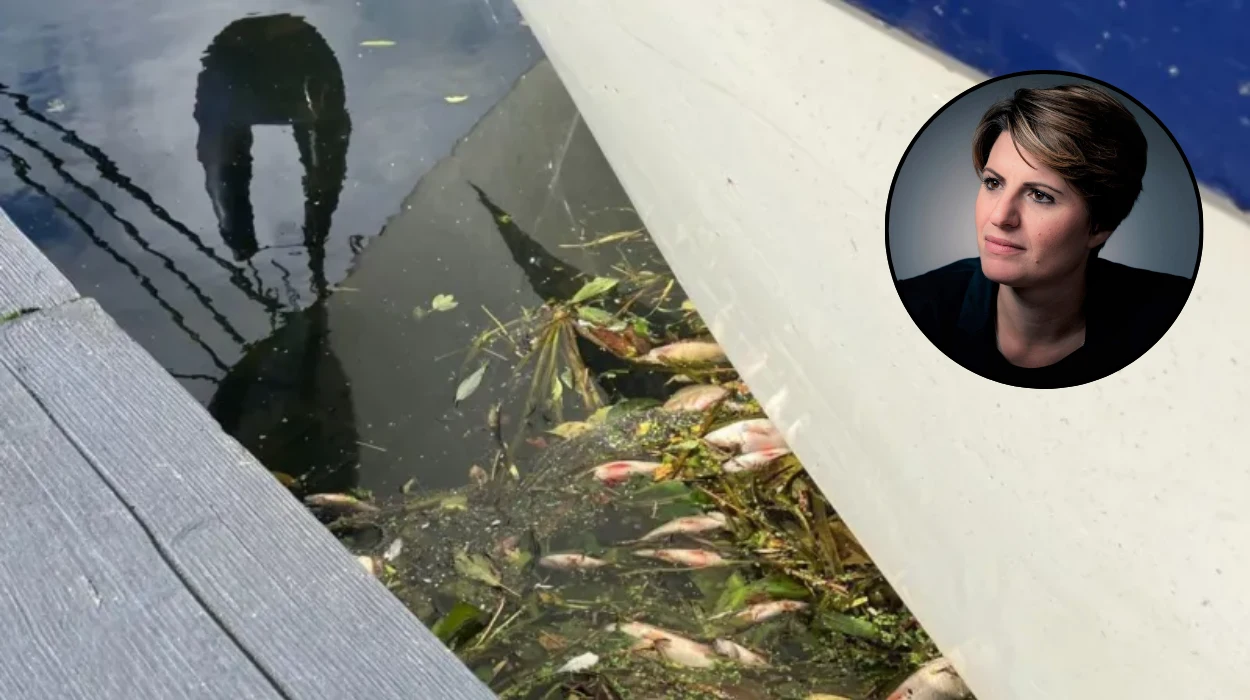
- Approximately 900 fish died from elevated ammonia levels and low oxygen at Kings Delph, near Whittlesey, Cambridgeshire, in September 2024
- Conservative MP Steve Barclay, whose constituency includes the area, asked in Parliament in March 2026 why there had been no prosecution but received no response despite “repeated requests”
- Water Minister Emma Hardy apologised to Parliament for the lack of response and pledged to follow up on the issue immediately
- Local residents near Kings Delph reported feeling angry and “sick” over the huge number of fish deaths, foul odour, and discoloured water
- The Environment Agency stated Anglian Water’s pumping station discharged for 23 hours after a pump failed, classifying it as a “category one” incident with “major effect” on water quality
- The Environment Agency told the BBC the “complex investigation” was completed in December 2024, with a file of evidence due to be reviewed
- Barclay escalated the issue to the Speaker after receiving no response, with a promised answer by 8 May 2026 that never materialised
- Hardy promised to arrange a meeting with Barclay in the coming weeks and said “it’s not acceptable and we’ll make changes to put it right”
Whittlesey (Britain Today News) — June 4, 2026 — Water Minister Emma Hardy has apologised to Parliament for the government’s failure to respond to parliamentary questions about the lack of prosecution following a major pollution incident that killed approximately 900 fish in Kings Delph near Whittlesey, marking a significant breakdown in ministerial accountability over water pollution enforcement. Conservative MP Steve Barclay, representing North East Cambridgeshire which includes the affected area, raised the matter in Parliament in March 2026, questioning why no prosecution had been initiated after the September 2024 incident, but stated on Thursday he had received no response despite “repeated requests” to the department.
- Key Points
- What Exactly Happened at Kings Delph in September 2024?
- Why Has There Been No Prosecution Yet?
- What Did Steve Barclay Say in the House of Commons?
- How Did Water Minister Emma Hardy Respond?
- What Do Local Residents Say About the Incident?
- What Is a Category One Water Pollution Incident?
- What Did the Environment Agency Say About the Investigation?
- What Is Anglian Water’s Role in This Incident?
- Why Is This Parliamentary Exchange Significant?
- What Happens Next in This Case?
- What Are the Broader Implications for Water Pollution Enforcement?
- How Does This Compare to Other Fish Death Incidents?
- What Does This Mean for Cambridgeshire Communities?
What Exactly Happened at Kings Delph in September 2024?
Approximately 900 fish perished due to high ammonia levels and insufficient oxygen in Kings Delph, located near Whittlesey, Cambridgeshire in September 2024. The Environment Agency confirmed that the fish deaths resulted from elevated levels of ammonia and critically low levels of oxygen in the waterway. According to the Environment Agency’s official assessment, Anglian Water’s pumping station discharged polluted water for 23 consecutive hours after a pump failed, releasing contaminants into the dyke. The incident was classed as a “category one” incident, meaning it had a “major effect” on either water quality, human health, conservation or businesses, representing the most serious level of water pollution incident. Local residents living near Kings Delph described feeling angry and “sick” over the huge number of fish deaths, the foul odour emanating from the waterway, and the visible discoloured water that stained the dyke.
Why Has There Been No Prosecution Yet?
The Environment Agency previously told the BBC the “complex investigation” was completed in December 2024, with a file of evidence due to be reviewed by prosecutors. Despite the investigation concluding months ago, no prosecution has been initiated against Anglian Water or any responsible party for the pollution event that killed hundreds of fish. Conservative MP Steve Barclay raised the lack of any prosecution in Parliament in March 2026, seeking clarity on why enforcement action had not been taken despite the severity of the incident. When Hardy initially responded to Barclay’s parliamentary question, she said she would look into it and get back to him in writing with an explanation. However, the promised written response never arrived, leading to further frustration and escalation of the matter.
What Did Steve Barclay Say in the House of Commons?
Barclay told the Commons that when he received no response to his initial inquiry, he had escalated the issue to the Speaker of the House. Following this escalation, Barclay was promised an answer by 8 May 2026, but that deadline passed without any communication from the minister or department.
“We’re now a further month on from that and still there has been no reply,”
Barclay stated in the Commons, expressing his frustration at the ministerial silence. The MP then posed pointed questions to the government about potential policy changes or administrative failures:
“So if the government has changed its policy and no longer is prosecuting the most serious water incidents then should that change of policy not be notified to the House, or is it that ministers simply, despite repeated requests, have no idea what is happening in their own department?”.
Barclay’s questioning highlighted concerns about whether the government had quietly shifted its approach to prosecuting serious water pollution incidents without notifying Parliament.
How Did Water Minister Emma Hardy Respond?
Water Minister Emma Hardy apologised to Parliament for the lack of a response to Barclay’s questions and said she would follow up on the issue immediately. Hardy acknowledged the failure directly on the parliamentary floor, stating
“I am sorry that that has happened, it’s not acceptable and we’ll make changes to put it right”.
The minister pledged to
“follow up immediately with the department”
to ascertain the status of the prosecution decision and understand why Barclay had not received his promised response. Hardy also committed to arranging a meeting with Barclay in the coming weeks to discuss the matter personally and provide him with the information he had been seeking. The apology represented a rare admission of ministerial failure regarding parliamentary correspondence and accountability on environmental enforcement matters.
What Do Local Residents Say About the Incident?
People living near Kings Delph said they felt angry and “sick” over the huge number of fish deaths, the foul odour and the discoloured water that contaminated their local waterway. The visual impact of approximately 900 dead fish floating in the dyke caused significant distress among local residents who regularly use or pass by Kings Delph. The foul odour from the decaying fish and polluted water persisted for days after the incident, affecting the quality of life for nearby residents. Community members expressed frustration not only about the environmental damage but also about the lack of transparency and enforcement action from authorities in the months following the pollution event. The discoloured water served as a visible reminder of the pollution, with the dyke appearing contaminated long after the initial incident.
What Is a Category One Water Pollution Incident?
The Kings Delph incident was classed as a “category one” incident, meaning it had a “major effect” on either water quality, human health, conservation or businesses. Category one represents the highest severity level for water pollution incidents in England, indicating substantial environmental harm requiring immediate response and thorough investigation. The classification signifies that the pollution event caused significant damage to aquatic ecosystems, with the death of 900 fish demonstrating the major effect on conservation and wildlife. Incidents at this level typically trigger comprehensive investigations by the Environment Agency and often result in enforcement action against responsible parties. The fact that a category one incident has not resulted in prosecution months after the investigation concluded raises questions about enforcement priorities and timeliness.
What Did the Environment Agency Say About the Investigation?
Officials stated that Anglian Water’s pumping station discharged for 23 hours after a pump failed, releasing polluted water into Kings Delph. The Environment Agency previously told the BBC the “complex investigation” was completed in December 2024, with a file of evidence due to be reviewed by prosecutors. The characterization of the investigation as “complex” suggests multiple factors were examined, including the pump failure mechanism, the duration of discharge, ammonia source identification, and causal links to fish deaths. Despite the investigation’s completion nine months before Barclay’s parliamentary question, the evidence file remained under review without a prosecution decision being announced. The Environment Agency’s statement confirmed that elevated ammonia and insufficient oxygen were the direct causes of the fish mortality.
What Is Anglian Water’s Role in This Incident?
The Environment Agency identified that Anglian Water’s pumping station was responsible for the 23-hour discharge that caused the fish deaths. The pumping station failure represents a critical infrastructure breakdown at a facility operated by Anglian Water, the regional water company responsible for the area. Anglian Water has faced previous pollution incidents and fines related to pumping station failures, including a 2022 case where the company was fined for pollution in Cambridgeshire that killed fish. In that earlier incident, investigators from the Environment Agency said at least 60 fish died with no chance of surviving, with the final death toll believed to be higher. The 2019 Pig Water Drain incident resulted in Anglian Water pleading guilty to breaching environmental regulations and being fined £18,000 for their “reactive attitude” to pollution.
Why Is This Parliamentary Exchange Significant?
The exchange between Barclay and Hardy highlights concerns about ministerial accountability and government responsiveness to environmental enforcement issues. Barclay’s escalation to the Speaker demonstrates the seriousness with which he regarded the lack of response, as such escalation typically occurs only when standard parliamentary channels fail. The promised answer by 8 May 2026 that never materialised represents a failure of ministerial correspondence protocols that normally require responses within specific timeframes. Barclay’s question about whether government policy on prosecuting serious water incidents has changed without notification to Parliament raises important transparency concerns. The incident underscores tensions between environmental groups, local communities, MPs, and the government regarding water pollution enforcement and accountability.
Explore More about UK:
The Prince of Wales calls for stronger protection of Britain’s pubs
UK and Morocco Look to Strengthen Trade Ties With Ambitious 7-Year Goal
What Happens Next in This Case?
Water Minister Emma Hardy said she would
“follow up immediately with the department”
and arrange a meeting with Barclay in the coming weeks to address his concerns. The minister’s commitment to meeting Barclay personally suggests the government recognises the need to rebuild trust and provide transparent answers about the prosecution decision. Hardy’s statement that
“we’ll make changes to put it right”
indicates potential procedural reforms to prevent similar communication failures in parliamentary correspondence. The status of the prosecution decision remains pending, with the Environment Agency’s evidence file still under review by prosecutors more than six months after the investigation concluded. Local residents and environmental campaigners will be watching closely to see whether Anglian Water ultimately faces prosecution for the category one pollution incident.
What Are the Broader Implications for Water Pollution Enforcement?
This case has emerged amid growing national concerns about water company pollution and government enforcement of environmental regulations. The lack of prosecution for a category one incident killing 900 fish could signal softer enforcement approaches toward water companies, potentially undermining deterrence against future pollution. Water pollution incidents have become increasingly prominent in UK political discourse, with MPs from across parties demanding stronger action against water companies for sewage spills and pollution events. Labour’s shadow environment secretary Steve Reed has called for those involved with water companies implicated in pollution to “end up in the dock,” advocating for criminal liability. The Kings Delph incident adds to a pattern of water pollution cases in the Anglian Water region, raising questions about whether current enforcement mechanisms are sufficient.
How Does This Compare to Other Fish Death Incidents?
Similar fish death incidents caused by ammonia and low oxygen have occurred across England, including a Boston incident in May 2024 where various species including pike, perch, and tench were found dead or in distress. In that Boston case, the Environment Agency reported a “considerable number” of deceased fish in the Maud Foster drain, applying chemical aeration to increase oxygen content. Another significant case involved 1,000 fish dying in a waterway near Redditch in January 2026, where aeronautical firm Mettis Aerospace paid over £1 million through an Enforcement Undertaking rather than facing prosecution. Perhaps most dramatic was a 2017 case where 5,000 fish died after six million litres of raw sewage discharged into the River Great Ouse for 23 hours, resulting in a £510,000 fine for Anglian Water. The Kings Delph incident’s 900 fish deaths places it among significant but not unprecedented water pollution events in recent years.
What Does This Mean for Cambridgeshire Communities?
The Kings Delph incident has affected communities near Whittlesey who depend on healthy waterways for recreation, aesthetic enjoyment, and environmental quality. The anger and sickness felt by residents reflects the broader emotional impact of pollution events on communities that witness environmental degradation firsthand. Steve Barclay, as the local MP, has taken up the case to hold the government accountable for enforcement action that communities expect following serious pollution. The incident has heightened local awareness of water quality issues and the role of water companies in maintaining environmental standards. Community frustration may intensify if prosecution does not ultimately occur, potentially affecting trust in both water companies and government enforcement agencies.
The government’s apology to Steve Barclay marks an important acknowledgment of ministerial failure in parliamentary accountability, but local residents and environmental campaigners will be watching to see whether this leads to actual prosecution of the responsible parties for one of Cambridgeshire’s most serious water pollution incidents in recent years.