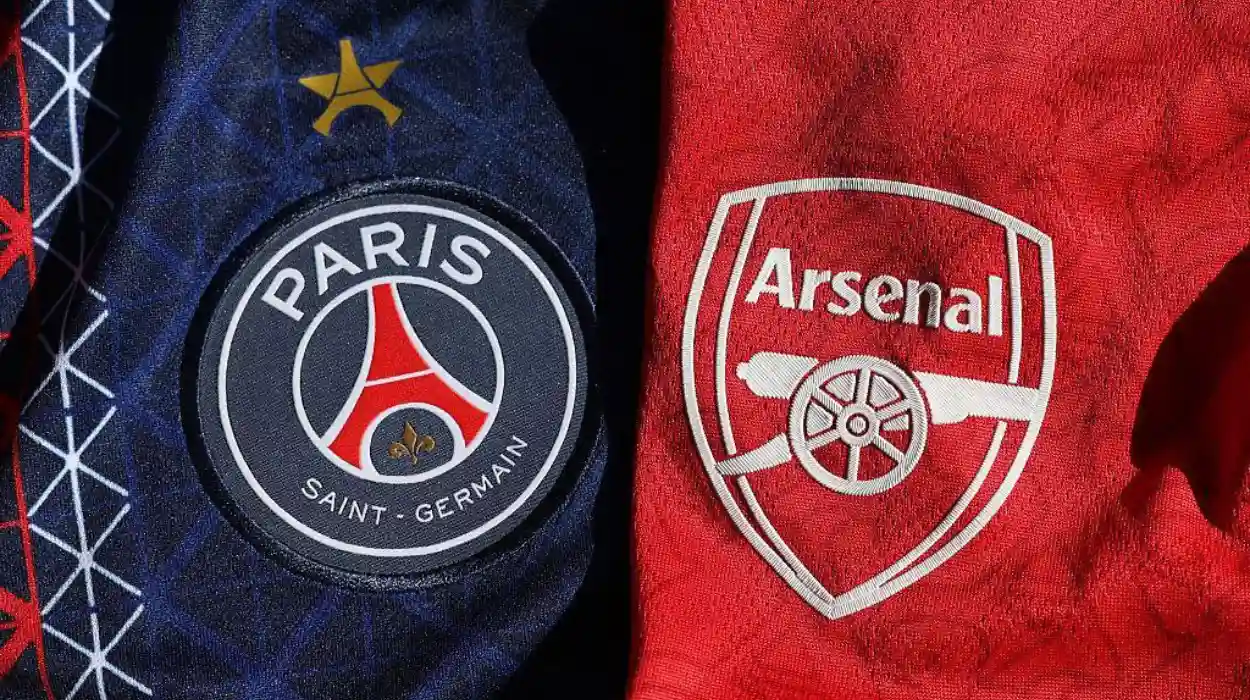
PSG vs Arsenal highlights, goals and full match review cover the 2026 UEFA Champions League final played on 29 May 2026 at Puskás Aréna in Budapest, Hungary. The match ended 1–1 after extra time, and Paris Saint‑Germain retained the Champions League by winning 4–3 on penalties.
- What happened in the PSG vs Arsenal Champions League final?
- How did Arsenal take the lead in the PSG vs Arsenal final?
- Why and how was the penalty awarded to PSG?
- What happened during extra time in PSG vs Arsenal?
- How did the penalty shootout decide the PSG vs Arsenal final?
- What tactical approach did Arsenal and PSG use in the final?
- Who were the key players in the PSG vs Arsenal final?
- Why is the PSG vs Arsenal final important for both clubs?
- How can fans and researchers use this PSG vs Arsenal final review?
- What does the PSG vs Arsenal final illustrate about modern Champions League finals?
What happened in the PSG vs Arsenal Champions League final?
The 2026 UEFA Champions League final between PSG and Arsenal ended 1–1 after extra time, with PSG winning 4–3 on penalties to retain the trophy. Arsenal led through Kai Havertz in the 6th minute, PSG equalised via an Ousmane Dembélé penalty in the 65th minute, and the shootout decided the champion at Puskás Aréna in Budapest.
The match took place on 29 May 2026 at Puskás Aréna, Budapest, Hungary, the designated venue for the 2026 UEFA Champions League final. It pitted the defending European holders Paris Saint‑Germain against the newly crowned Premier League champions Arsenal. The game entered extra time after neither side scored in the additional 30 minutes, leading to a penalty shootout. Paris Saint‑Germain, commonly known as PSG, is a French club based in Paris, while Arsenal is an English club based in London.
Kai Havertz, a German forward who joined Arsenal from Chelsea, gave Arsenal an early lead. Ousmane Dembélé, a French winger who plays for PSG, scored the equaliser from the penalty spot. The final scoreline after 120 minutes was 1–1, and the shootout result was 4–3 to PSG. Viktor Gyokeres, a Swedish striker playing for PSG, came close to winning the game in the dying seconds of extra time, but his attempt did not go in.
How did Arsenal take the lead in the PSG vs Arsenal final?
Arsenal took the lead in the 6th minute when Kai Havertz finished a loose ball situation from a tight left‑side angle, beating PSG goalkeeper Matvey Safonov to make it 1–0.
The goal came very early in the match, within the first ten minutes, and immediately shifted momentum in Arsenal’s favour. Havertz received a loose ball, accelerated down the left channel, and struck the ball from an unusually narrow angle into the roof of the net. Matvey Safonov, the PSG goalkeeper, was unable to reach the shot due to its placement and speed. This early goal set the tone for Arsenal’s defensive approach for much of the rest of the match.
The goal was significant because it allowed Arsenal, the Premier League champions, to control the game with a lead against the defending European champions. It also highlighted Kai Havertz’s role as a key attacking figure for Arsenal in big matches. The early strike forced PSG to chase the game and take more risks, which influenced the tactical dynamics until the penalty decision later in the match.
Why and how was the penalty awarded to PSG?
PSG were awarded a penalty in the 65th minute after an Arsenal defender handled or fouled a PSG attacker in the box, leading to Ousmane Dembélé converting the spot kick to make it 1–1.
The penalty decision came in the second half, when PSG had been pressing for an equaliser after Arsenal’s early lead. The incident occurred inside the Arsenal penalty area, and the referee awarded a spot kick based on a clear handball or foul on a PSG player. Ousmane Dembélé stepped up and calmly struck the ball into the net to level the score at 1–1. This equaliser pushed the match towards extra time and removed Arsenal’s early advantage.
Penalty decisions in Champions League finals are always high‑pressure moments that can change the course of the game. In this case, the penalty gave PSG belief and shifted psychological momentum back to the French side. The decision was later discussed in post‑match analysis and fan reactions, especially regarding Arsenal’s defensive approach and the extent to which they tried to protect their lead.
What happened during extra time in PSG vs Arsenal?
The 30 minutes of extra time saw no further goals, with PSG’s Viktor Gyokeres coming close to a late winner, so the match proceeded to a penalty shootout.
Extra time in Champions League finals is used to determine a winner if the score is level after 90 minutes, and it consists of two 15‑minute halves. In this final, neither Arsenal nor PSG managed to score during extra time, despite several chances on both sides. Viktor Gyokeres, a Swedish striker for PSG, had a strong opportunity with around ten seconds remaining in extra time, but his shot did not result in a goal.
The lack of goals in extra time reflected the tactical caution from both teams, especially after the penalty had equalised the match. Arsenal had adopted a highly defensive stance after going ahead, which limited the number of clear chances for both sides. PSG pushed forward in search of a winner, but Arsenal’s defensive structure and goalkeeper performance prevented a decisive breakthrough.
How did the penalty shootout decide the PSG vs Arsenal final?
The penalty shootout ended 4–3 in favour of PSG, with Gabriel missing Arsenal’s final kick, allowing Paris Saint‑Germain to retain the Champions League.
In a Champions League final tied after extra time, a penalty shootout determines the winner, with each team taking five penalties unless one side gains an unassailable lead. In this shootout, both teams scored most of their penalties, but the decisive moment came on Arsenal’s fifth attempt. Gabriel, an Arsenal defender and regular penalty taker, missed his spot kick, which ended the shootout with a 4–3 scoreline to PSG.
The outcome meant PSG retained the Champions League title they had won in the previous season, continuing their dominance in European competition. For Arsenal, the miss meant their wait for a European title would continue for another season, despite a strong domestic season and a valiant defensive performance. Penalty shootouts are statistically among the most tense moments in football, and this final followed that pattern.
What tactical approach did Arsenal and PSG use in the final?
Arsenal adopted a deep, highly defensive approach after taking the lead, while PSG controlled possession and pressed for an equaliser, leading to a penalty and a cautious extra time.
Arsenal’s strategy after the early goal focused on protecting their lead rather than trying to extend it, which drew criticism from some analysts and fans. This approach meant Arsenal sat deeper, limited space for PSG attackers, and aimed to absorb pressure and counter when possible. PSG, under manager Luis Enrique, tried to dominate possession and create chances through width and quick combinations, especially on the flanks.
The tactical battle shaped the flow of the match: Arsenal’s caution limited high‑risk moments but also reduced their own attacking opportunities. PSG’s constant pressure eventually led to the penalty that equalised the tie, showing the effectiveness of their sustained attacks. Both managers had to adjust their plans during extra time, with Arsenal continuing to defend resolutely and PSG searching for a more direct way to break through.
Who were the key players in the PSG vs Arsenal final?
Key players included Kai Havertz for Arsenal, who scored the early goal, and Ousmane Dembélé and Viktor Gyokeres for PSG, plus goalkeeper Matvey Safonov and defender Gabriel.
Kai Havertz was the match‑winner for Arsenal in normal time, scoring the only goal in the 6th minute and receiving praise for his movement and finish. Ousmane Dembélé equalised for PSG from the penalty spot, demonstrating composure under pressure in a Champions League final. Viktor Gyokeres created significant danger for Arsenal in extra time, with a late chance that almost won the game for PSG.
Matvey Safonov, PSG’s goalkeeper, faced several shots and was beaten by Havertz’s early strike but otherwise remained a presence in goal. Gabriel, Arsenal’s defender, was crucial in defence throughout the match and in extra time, but his missed penalty in the shootout became the defining moment for Arsenal. These players shaped the narrative of the final through their goals, chances, and decisions in critical moments.
Why is the PSG vs Arsenal final important for both clubs?
The final is important because PSG retained the Champions League, reinforcing their status as European champions, while Arsenal’s loss extended their wait for a European title despite winning the Premier League.
For PSG, winning the Champions League again in 2026 confirmed their build‑up under Luis Enrique and validated their investment in attacking talent like Ousmane Dembélé and Viktor Gyokeres. It also strengthened their position as a dominant force in European football (Sports) over recent seasons. For Arsenal, reaching the final was a major achievement after a successful Premier League campaign, but the penalty defeat highlighted the gap between domestic success and European triumph.
The match also has broader implications for both clubs’ reputations, finances and ability to attract top players. Champions League success increases revenue, prestige and bargaining power in transfer markets for PSG, while Arsenal’s near‑miss increases pressure and motivation for future European campaigns. The final will remain a reference point in both clubs’ histories for years to come, especially in discussions about big‑game performances and mental resilience.
Explore More about Sports:
Wayne Rooney Goals, Assists, Records & Premier League Era UK
Aaron Rai Biography, Career Wins, Rankings & Latest Updates
How can fans and researchers use this PSG vs Arsenal final review?
This review serves as a factual, structured reference for fans, journalists and researchers who need accurate details about the 2026 Champions League final, including score, goals, key events and significance.
Fans can use the article to recall the sequence of events, such as the timing of goals, the nature of the penalty decision, and the outcome of the shootout. Journalists and content creators can draw on the structured breakdown of tactics, key players and implications for articles, videos or social media posts. Researchers and analysts can use the match details as a case study for defensive tactics, penalty shootout performance, and the impact of early goals in finals.
The article is designed to remain relevant over time, with clear facts, dates and figures that do not depend on daily news cycles. It avoids speculative language and focuses on reported events, making it suitable for citation in more detailed analyses or historical summaries of the 2025–26 UEFA Champions League season. Readers can also refer back to this piece when discussing Arsenal’s European journey or PSG’s recent European dominance.
What does the PSG vs Arsenal final illustrate about modern Champions League finals?
The final illustrates how early goals, defensive tactics, penalty decisions and shootouts often define Champions League finals, with possession and tactical caution shaping the match as much as open attacking play.
Modern Champions League finals frequently feature tight margins, where a single early goal forces one team into a defensive posture for most of the game, as seen with Arsenal after Havertz’s 6th‑minute strike. Penalty decisions and shootouts remain decisive mechanisms, adding randomness and pressure that can override broader match dominance. Possession and tactical caution often dominate late stages, reducing the number of clear‑cut chances and increasing the importance of set‑pieces and individual moments.
This pattern is visible in the PSG vs Arsenal final, where the early goal, the penalty, and the lack of goals in extra time led to a shootout rather than a dramatic open finish. The match reinforces the idea that Champions League finals are as much about mental strength, defensive discipline and decision‑making under pressure as they are about attacking flair. Understanding these dynamics helps fans and analysts interpret not only this final but also future Champions League finals.