Key Points
- Reform UK has closed the Facebook and X accounts of its Bury St Edmunds and Stowmarket branch after offensive posts appeared over several months.
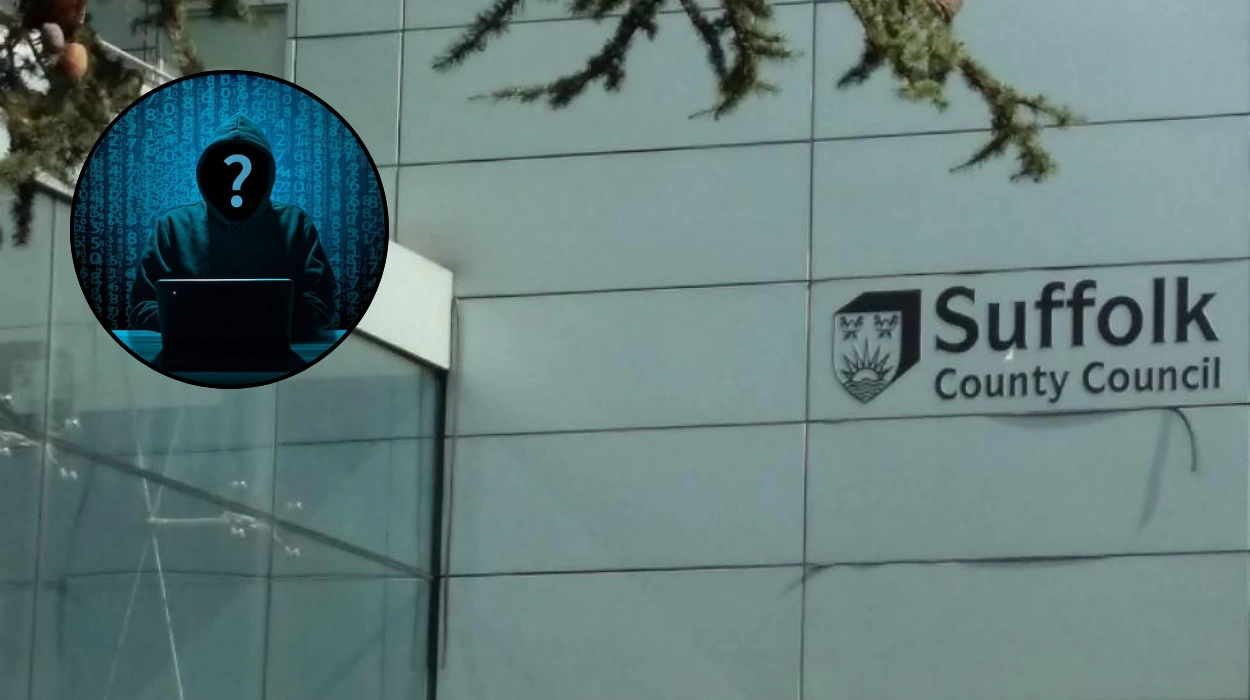
- The branch claims the accounts may have been “hijacked by agitators” or “hacked”, but admits uncertainty about what happened.
- Offensive posts included insults towards Green Party supporters, broadcaster James O’Brien, and a May reply to Labour MP Allison Gardner showing the word “Paedo”.
- Liberal Democrat candidate Andy McGowan exposed the posts and called for calmer political discourse in Bury St Edmunds.
- Branch chairman Cllr Simon Aalders and Cllr Michael Hadwen say members reported unauthorised postings and urged the accounts’ removal.
- Opposition politicians, including Dr Peter Prinsley (Labour), Andrew Stringer (Green group leader), and Richard Rout (Conservative group leader), condemned the language and Reform’s handling.
- The deleted accounts have raised questions about moderation, oversight and how long abusive content remained public.
- The branch says the accounts will not be restored and insists it is a professional, sensible party that rejects belittling language.
Bury St Edmunds (Britain Today News) May 20, 2026 – Reform UK’s Bury St Edmunds and Stowmarket branch has shut down both its Facebook and X accounts after months of offensive social media posts sparked local political backlash, the party’s local leadership confirmed on Thursday.
- Key Points
- Why did Reform UK say the accounts were hijacked?
- What offensive material was published on the branch accounts?
- How long had the posts been visible and who saw them?
- What do local political leaders say about Reform’s handling?
- Were internal safeguards or moderation procedures in place?
- Which steps has Reform UK taken and will the accounts return?
- What does this mean for local politics and public trust?
- How have community and civic voices reacted?
- What follow-up investigations are likely?
- Could the explanation of hacking withstand scrutiny?
- What lessons might political parties learn?
- Where does this leave local voters?
The branch closed its social media presences after a series of abusive and divisive posts—some dating back several months—were highlighted by a local Liberal Democrat candidate, prompting accusations, denials and questions over who controlled and moderated the accounts.
Why did Reform UK say the accounts were hijacked?
As reported by Cllr Simon Aalders, chairman of the branch and a newly elected member of Suffolk County Council,
“We’re not entirely sure what has happened. We think we have been hacked. We don’t know who has access to it, but we do realise this seems to be a lot more systematic.”
Cllr Aalders told local reporters he had previously tried to “clean it off”, though he did not specify precisely when or what steps he had taken to address the posts.
Cllr Michael Hadwen, who is expected to lead Suffolk County Council, added that branch members had informed him the accounts were
“hijacked by agitators who have been posting without the party’s consent”,
and he said he instructed officials
“to push for the account to be taken down to avoid any further embarrassment”.
What offensive material was published on the branch accounts?
Posts shared from the branch’s Facebook and X profiles included derogatory references to Green Party supporters as “unwashed” and “Islamic”, and described broadcaster James O’Brien as “sub-human” and “human garbage”. A particularly inflammatory post, shared on X in May in reply to Labour MP Allison Gardner, displayed an image with the word “Paedo”.
Andy McGowan, the Liberal Democrat candidate for Eastgate and Moreton Hall—who first drew wider public attention to the posts—said:
“Quite simply, this vile, divisive content has absolutely no place in Bury St Edmunds. The political temperature needs to come down, and all of our elected councillors need to play their part in this.”
His disclosure is what prompted party officials to act and the accounts to be taken down.
How long had the posts been visible and who saw them?
Reports indicate some of the controversial material dated back several months while other items were shared more recently, suggesting a sustained pattern rather than a single, isolated incident. That timeline has fuelled scepticism among opponents and residents as to how the posts could persist across two separate platforms without clearer internal detection and moderation.
Dr Peter Prinsley, the Labour MP for Bury St Edmunds and Stowmarket, criticised the language used against political opponents and minorities, stating:
“Political debate should never descend into language that demeans people because of their sexuality, faith or background. We can disagree respectfully without resorting to prejudice or inflaming tensions in our community.”
What do local political leaders say about Reform’s handling?
Andrew Stringer, leader of the Green group on Suffolk County Council, questioned Reform UK’s capacity to administer public services while appearing unable to manage its social media responsibly. He said:
“It is deeply concerning that Reform UK are now responsible for running education, adult social care, and our highways for the whole of Suffolk, but seems powerless to responsibly administer a simple Facebook page.”
Richard Rout, leader of the Conservative group on Suffolk County Council, condemned the posts’ tone and their likely effect on community cohesion.
“The Reform activists controlling this page seemed intent on nothing but sowing the seeds of division and hatred,”
he said, adding that such language “has no place in our politics”.
Were internal safeguards or moderation procedures in place?
The episode has exposed gaps or failures in moderation and oversight at branch level. Cllr Aalders acknowledged internal attempts to remove offensive material but did not provide a timeline or detail of safeguards. That lack of clarity has led to demands from opposition figures for a more transparent account of how the accounts were administered, who had posting rights, and what safeguards the party employs to prevent unauthorised or abusive content.
Explore More about Politics:
British Council staff in Italy to strike over proposed 80% workforce cut 2026
Keir Starmer Torn to Shreds by Kemi Badenoch Over Energy Bills – ‘Another Broken Promise!’ 2026
Which steps has Reform UK taken and will the accounts return?
Both the branch’s Facebook and X accounts now appear to have been deleted. Cllr Aalders said the branch intends permanently to close them, arguing this step was necessary to protect the party’s message.
“Reform is a professional party, we are professional and sensible people — we are carrying a message of change,”
he said.
“Something that belittles anybody is not okay; that’s not a healthy thing to do.”
Opponents and others remain unconvinced that deletion alone addresses the broader governance questions. Critics say permanent closure avoids accountability and denies the public and political rivals the opportunity to see a full timeline of posts and responses.
What does this mean for local politics and public trust?
The affair threatens to heighten polarisation in a council area embarking on a change of political leadership after May’s elections. For residents and representatives alike, the immediate issues are twofold: ensuring that elected parties maintain standards of decency in their communications, and that they possess adequate administrative controls to prevent unauthorised or abusive activity on official platforms.
Dr Prinsley warned of the social consequences:
“Political debate should never descend into language that demeans people because of their sexuality, faith or background.”
For many local observers, the incident is less about a single party’s embarrassment than about the standards they expect from any organisation entrusted with public services.
How have community and civic voices reacted?
Local civic-minded individuals and smaller parties called for cooler heads and a return to constructive debate. Andy McGowan’s publicising of the posts framed the issue as one of community standards rather than partisan point-scoring, urging that elected councillors “play their part” in de-escalating tensions.
What follow-up investigations are likely?
At present there has been no public announcement of an independent investigation into the origins of the posts or an audit of the branch’s social-media access. Calls from opposition figures and community representatives for fuller disclosure may lead to internal reviews at Reform UK’s regional or national level, and could prompt requests for evidence about account access logs, post timestamps, and any remedial measures taken.
Could the explanation of hacking withstand scrutiny?
Sceptics point to the cross-platform and multi-month nature of the posts as incongruent with a single intrusive event. Posting across both Facebook and X, and over an extended period, suggests either prolonged unauthorised access or internal complicity—or shortcomings in moderation. Reform UK’s statement of uncertainty, combined with its decision to delete the accounts rather than reinstate them with clarified oversight, leaves unanswered questions over responsibility and whether the party will publish a fuller account.
What lessons might political parties learn?
This episode underlines the importance of clear social-media governance: tightly controlled account access, two-factor authentication, maintained logs of post authorship, and rapid escalation procedures for abusive content. Parties assuming responsibility for significant public services face higher expectations for professional standards in communication and conduct.
Where does this leave local voters?
For local voters, the incident is a reminder to scrutinise not just manifestos but how parties handle communications and accountability. Whether Reform UK’s closure of the accounts and public claims of hacking will satisfy those concerns remains uncertain; many will expect more transparent inquiry and firmer guarantees from elected representatives about standards of conduct.