Key Points
- Kemi Badenoch, Conservative Party leader, heavily criticised Prime Minister Keir Starmer over rising energy bills and unemployment, calling it “another broken promise”
- Energy price cap predicted to surge by £209 in July, reaching around £1,850/year for average households, a 13% increase from the current £1,641 cap
- Unemployment rate climbed unexpectedly to 5% in the three months to March, up from 4.9%, while job vacancies fell by 28,000 to 705,000 – a five-year low
- Badenoch wrote exclusively in the Daily Express, stating Labour is in “all-out civil war” over leadership, with Andy Burnham and Wes Streeting vying to replace Starmer
- Cornwall Insight warns the October energy cap could remain similarly high, posing severe risks as heating demand rises in autumn amid Middle East conflict fallout
- Iran’s blocking of the Strait of Hormuz has destabilised wholesale energy markets, sending costs rocketing since late February
- Experts including Craig Lowrey (Cornwall Insight), Dennis Reed (Silver Voices), Simon Francis (End Fuel Poverty Coalition), and Tone Langengen (Tony Blair Institute) warn of severe hardship for vulnerable households
- Government spokesperson stated tackling affordability is “number one priority” and urged shift from fossil fuels to “clean homegrown power”
- Starmer faced his Cabinet Tuesday amid leadership turmoil, with Downing Street focusing on “delivery and progress” rather than unemployment
- Calls intensify for Chancellor Rachel Reeves to raise the lower tax threshold to support those just above benefit levels
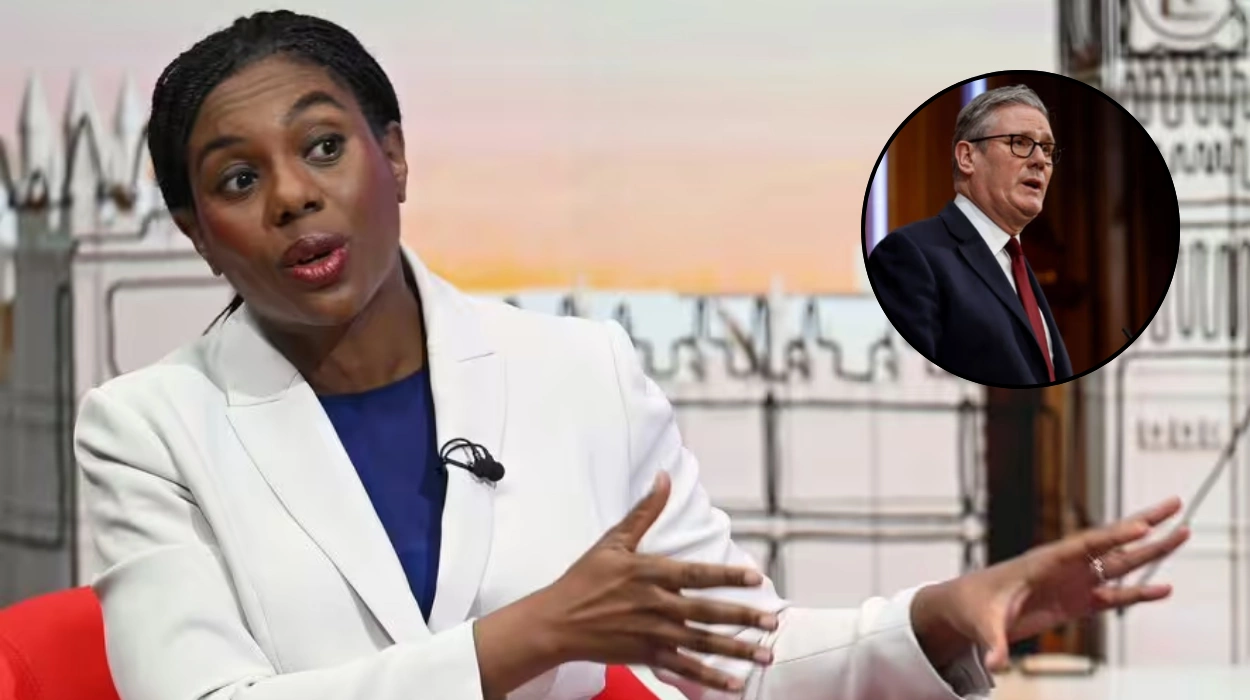
London (Britain Today News) May 19, 2026 – Conservative Party leader Kemi Badenoch has launched a scathing attack on Prime Minister Keir Starmer, accusing his government of failing to protect households from surging energy bills and rising unemployment, branding Labour’s performance “another broken promise” as fears mount that energy prices could jump by £209 from July .
- Key Points
- Why Is Kemi Badenoch Criticising Keir Starmer Over Energy Bills?
- How Much Will Energy Bills Rise in July 2025?
- What Is Driving the Surge in Energy Prices?
- Who Will Be Most Affected by Rising Energy Bills?
- What Does the Government Say About the Energy Crisis?
- How Bad Is the Unemployment Situation Under Starmer?
- When Will Ofgem Announce the Next Energy Price Cap?
- What Are Experts Calling For?
Why Is Kemi Badenoch Criticising Keir Starmer Over Energy Bills?
Badenoch wrote exclusively in the newspaper:
“The Prime Minister is now so obsessed with keeping his job, and the Labour Party so obsessed with who will take his job, that they don’t seem to care about the people in this country losing their jobs” .
She highlighted that the Energy Price Cap is predicted to rise by over £200 in July, reminding the public of Starmer’s earlier pledge to cut energy bills by £300 – a promise now widely seen as broken .
Badenoch’s sharp criticism comes as Labour faces internal turmoil following a drubbing in local elections, with Andy Burnham and Wes Streeting openly competing to replace Starmer as party leader .
“The party’s all-out civil war means that the Government has taken its eye off the ball,”
she stated, warning that this infighting is directly harming ordinary citizens .
How Much Will Energy Bills Rise in July 2025?
Experts are forecasting a massive increase in the household energy price cap this July, with Cornwall Insight predicting it could reach the equivalent of £1,850 per year for an average household . This represents a 13% rise from the current cap of £1,641 per year, which applies from April to June .
Craig Lowrey, principal consultant at Cornwall Insight, explained:
“Over the past few months, we’ve watched our forecasts shift from showing virtually no quarter-on-quarter increase to a 13% rise in current bills – with this change due to the impacts of the Middle East conflict” .
He warned that if October’s cap remains at a similar level,
“that is when the Government will need to think seriously about targeted support for the most vulnerable” .
What Is Driving the Surge in Energy Prices?
Wholesale energy markets have been highly volatile since the Middle East conflict intensified at the end of February, with Iran’s move to block the crucial Strait of Hormuz shipping route sending energy costs rocketing . This strategic waterway carries approximately one-fifth of the world’s oil and gas, making its disruption particularly damaging to global supply chains .
Tone Langengen, Energy Policy expert at the Tony Blair Institute, stated:
“Millions of households already struggling with the cost of living are once again being forced to pay the price for an energy system that’s too exposed to global shocks and too inefficient at home” .
She called for
“wholesale energy-system reform – not sticking-plaster fixes” .
Who Will Be Most Affected by Rising Energy Bills?
Dennis Reed, director of Silver Voices, warned:
“An energy price storm is about to hit us and the Chancellor has given no assurances that pensioners will be protected” .
He emphasised that
“it’s those millions just above the benefit level who will be hammered the most as they don’t qualify for existing heating support” .
Reed urged Chancellor Rachel Reeves
“yet again to raise the lower tax threshold to give immediate and meaningful support” .
Simon Francis, co-ordinator of the End Fuel Poverty Coalition, added:
“If bills remain high when the heating season begins, millions of households already in energy debt or struggling to keep their homes warm will face an extremely difficult winter” .
What Does the Government Say About the Energy Crisis?
A government spokesperson responded:
“We know families will be concerned about the impact the conflict in the Middle East will have on their energy bills. Tackling the affordability crisis is our number one priority” .
The spokesperson continued:
“The lesson of yet another fossil fuel crisis is the UK needs to get off the fossil fuel rollercoaster and on to clean homegrown power we control” .
Despite these assurances, fears are mounting over the impact on households when the cap is reviewed in October, as energy demand surges during cooler months . Cornwall Insight noted:
“While households will be understandably frustrated by a rise during the summer, the impact will be reduced as household energy usage typically falls during the hotter months. The bigger concern is October, when demand picks up again” .
How Bad Is the Unemployment Situation Under Starmer?
Official figures released Tuesday showed the jobless rate rose unexpectedly to 5% in the three months to March, up from 4.9% in the previous period . Meanwhile, job vacancies dropped by 28,000 to 705,000 in the three months to April – the lowest level since the same period in 2021 .
Sir Keir Starmer came face to face with his Cabinet on Tuesday, a week after a failed attempt to oust him as leader . Downing Street said discussions were focused on “delivery and progress” but not on rising unemployment .
Explore More about Politics:
Being First Minister ‘greatest privilege’ of Swinney’s life 2026
London Global Partnerships Conference: UK pushes ‘bold new approach’ to aid as Cooper warns of food crisis 2026
When Will Ofgem Announce the Next Energy Price Cap?
Ofgem adjusts its price cap every three months and will announce the next level for July to September on May 27, 2025 . Current forecasts suggest the October cap could remain at a similar level to July, depending on how the Middle East conflict unfolds .
Craig Lowrey cautioned:
“Even if the conflict were to end tomorrow, the physical damage to infrastructure, and lingering effect of disrupted supply, means a fall back to April’s price cap levels in the autumn looks unlikely” .
What Are Experts Calling For?
Multiple experts are urging immediate government action. Dennis Reed from Silver Voices reiterated calls for tax threshold increases to protect vulnerable groups . Simon Francis warned of an “extremely difficult winter” for millions already in energy debt . Tone Langengen from the Tony Blair Institute emphasised that Britain needs “wholesale energy-system reform” rather than temporary fixes .
As Badenoch’s warnings resonate with growing public concern, the pressure mounts on Starmer’s government to address both the energy crisis and rising unemployment before autumn’s anticipated price shock .