Key Points
- Nigel Farage, Reform UK leader and Clacton MP, admits he is “starting to worry slightly” about Donald Trump’s judgment on Iran.
- Farage confesses he “struggles to understand” Trump’s thought process, fearing it could lead to a “terribly sad end” to Trump’s anti-war career.
- Farage praises Trump’s past domestic economic and immigration policies but notes waning support over Middle East actions.
- Farage suggests Trump was poorly advised before military action and has not spoken to him since earlier this year.
- UK Prime Minister Sir Keir Starmer refuses to be “dragged into” the Iran conflict, calling it “not our war”; Britain and NATO allies withhold vessels from Strait of Hormuz protection.
- Starmer and French President Emmanuel Macron plan a “multinational mission” to secure the Strait post-conflict, vital for 20% of world oil.
- Pentagon memo rumour suggests US may shift stance on Falkland Islands in retaliation to UK’s non-involvement; No10 reaffirms UK sovereignty.
- YouGov polling: Only 13% of Britons support Trump; 70% see Reform UK as pro-Trump, potentially harming 2029 election chances.
- Farage may be distancing himself strategically from Trump.
- Farage vows Reform UK government would scrap Starmer’s EU post-Brexit reset, favouring closer US economic ties.
- Farage criticises former civil servant Sir Philip Rycroft as “enemy of democracy” for attacking Brexit.
- Farage calls for hardened attitudes on welfare, predicting “riots, strikes, protests” in a “massive war” over benefits cuts.
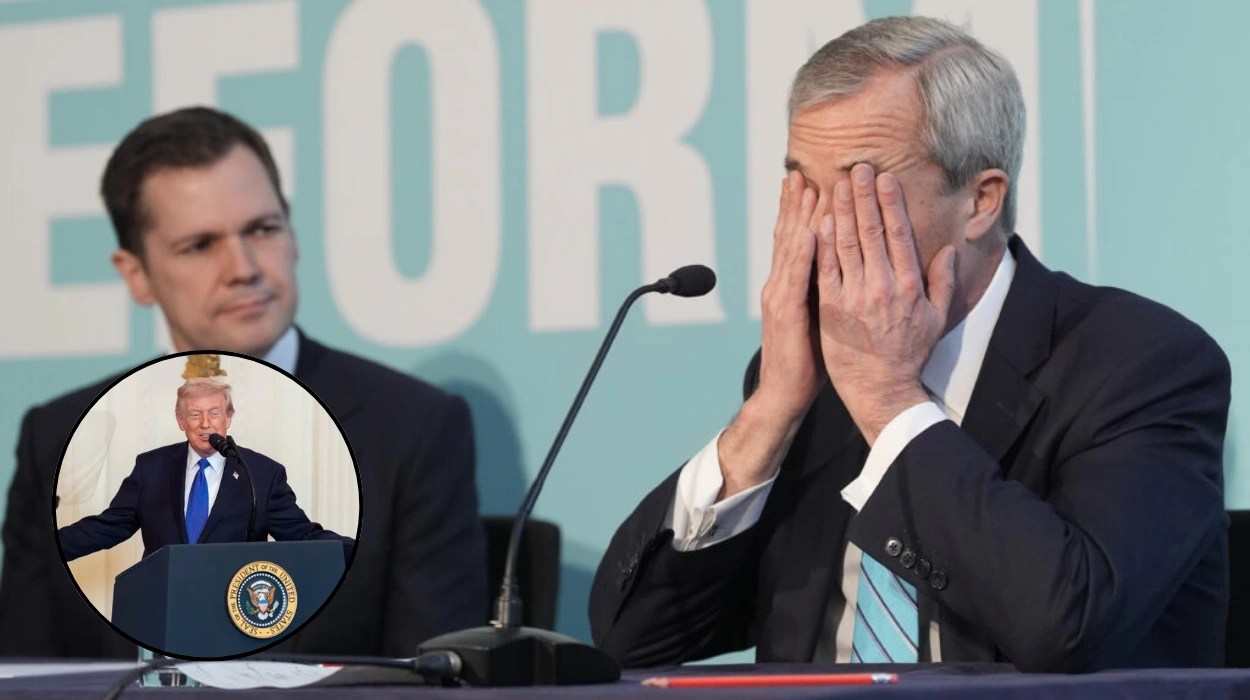
London (Britain Today News) – April 24, 2026 – Nigel Farage, the leader of Reform UK and MP for Clacton, has revealed he is beginning to “worry slightly” about President Donald Trump‘s judgment regarding Iran. In candid remarks, Farage described struggling to comprehend his friend’s thought process on the escalating Middle East conflict. This shift marks a notable cooling in Farage’s longstanding admiration for Trump, particularly over recent offensive actions in the region.
- Key Points
- Why Is Nigel Farage Worried About Trump’s Iran Judgment?
- How Might Trump’s Image Hurt Reform UK’s Polling?
- What Does Farage Plan for UK-EU Relations Under Reform?
- Who Is Sir Philip Rycroft and Why Does Farage Attack Him?
- Will Reform UK Harden Welfare Attitudes Amid Riots?
- What Do Broader US-UK Tensions Mean for the Special Relationship?
- How Does Farage Balance Friendship with Political Strategy?
Farage’s comments highlight a personal and political tension. He stated:
“I do, as a friend, worry slightly about his judgment on this, yes. I do.”
He elaborated:
“It will be a terribly sad end to an amazing political career if the man that was always anti-war in the end gets (brought) down by this… I struggle to understand it.”
Historically, Farage has lauded Trump for robust domestic economic policies and stringent immigration controls. Yet, this support appears to be eroding amid the Iran crisis.
Why Is Nigel Farage Worried About Trump’s Iran Judgment?
Farage’s unease stems directly from Trump’s military decisions in the Middle East. The Clacton MP indicated Trump received poor advice prior to the offensive operations. He confirmed no direct communication with the US President since earlier in 2026. This comes as Washington-Westminster relations sour. UK Prime Minister Sir Keir Starmer has firmly positioned Britain outside the fray, declaring the country will not be “dragged into” the Iran conflict. Starmer has reiterated: the Middle East strife is “not our war.”
Britain, alongside other NATO allies, has declined to deploy vessels for protecting the Strait of Hormuz during the ongoing hostilities. This strategic chokepoint facilitates 20 per cent of global oil shipments. However, Starmer and France’s President Emmanuel Macron have pledged leadership in a “multinational mission” to safeguard the waterway once the conflict concludes. Such moves underscore Europe’s cautious approach, contrasting sharply with US assertiveness.
Tensions escalated further with reports of a Pentagon memo. It allegedly proposes a US policy shift on the Falkland Islands, viewed as retaliation for the UK’s reluctance to join America’s Iran operations. Downing Street responded swiftly. The Prime Minister’s spokesman asserted:
“We could not be clearer about the UK’s position on the Falkland Islands. It’s long standing. It’s unchanged.”
This exchange revives memories of the 1982 Falklands War, testing the special relationship between the two nations.
How Might Trump’s Image Hurt Reform UK’s Polling?
New YouGov polling paints a challenging picture for Farage. Just 13 per cent of British voters back President Trump. Meanwhile, 70 per cent perceive Reform UK as inherently pro-Trump. This association raises questions about its electoral viability ahead of the 2029 general election. Observers speculate Farage’s mild critique represents a calculated pivot, aiming to mitigate damage from ties to the controversial US leader.
Farage’s relationship with Trump has long been a double-edged sword. While it bolsters his outsider credentials among certain voters, it alienates the broader public amid global flashpoints like Iran. The polling data suggests this “special relationship” could undermine Reform UK’s growth, prompting Farage to recalibrate publicly. Yet, his praise for Trump’s economic and immigration achievements lingers, indicating any distance remains tentative.
What Does Farage Plan for UK-EU Relations Under Reform?
Shifting to domestic horizons, Farage outlined bold visions for a Reform UK administration. He pledged to dismantle Sir Keir Starmer’s post-Brexit “reset” with the European Union. Instead, he advocated deeper economic integration with the United States. Farage remarked to the Daily Mail:
“The starkness of the approach towards money, risk appetite, capital in America and Europe is incredible. And here’s Starmer taking us ever closer back to the European Union.”
This stance reinforces Farage’s Brexit legacy. He positions America as a dynamic partner, unencumbered by EU regulations. Critics argue such a tilt risks over-reliance on US policy whims, especially given current frictions over Iran and the Falklands. Farage dismisses this, framing the EU reset as a retrograde step that stifles British ambition.
Who Is Sir Philip Rycroft and Why Does Farage Attack Him?
Farage turned his fire on Sir Philip Rycroft, a former civil servant who headed the Brexit department. Rycroft recently claimed Brexit fails Britain and urged reconsidering EU membership. Farage fired back on X (formerly Twitter):
“Philip Rycroft helped to vandalise Brexit and is not a neutral civil servant. He is an enemy of democracy who seeks to choke the funding of political opponents he disagrees with.”
Rycroft’s intervention reignites Brexit wars. As a key figure in implementing the UK’s EU divorce, his critique carries weight among remain supporters. Farage portrays him as biased, unfit for public service impartiality. This clash underscores ongoing divisions, with Reform UK weaponising such figures to rally its base.
Will Reform UK Harden Welfare Attitudes Amid Riots?
Farage addressed the swelling welfare budget with stark warnings. He insisted “attitudes” must “harden,” framing the forthcoming debate as “the biggest war of them all.” He predicted turmoil:
“There’s a massive, massive change of thought needed on benefits – that’s going to be the biggest war of them all. And there’ll be riots, and there’ll be strikes, and there’ll be protests, and we know all of that, but that’s what we’re going to have to do – it has to be done. We just can’t afford it now.”
This rhetoric signals aggressive cuts under a Reform government. With UK public finances strained, Farage argues fiscal reality demands reform. Opponents decry it as heartless, potentially fuelling social unrest. Yet Farage remains defiant, viewing it as essential for economic revival.
What Do Broader US-UK Tensions Mean for the Special Relationship?
The Iran fallout exposes fissures in the transatlantic alliance. Starmer’s non-interventionism clashes with Trump’s hawkishness, amplified by the Falklands rumour. Macron’s involvement hints at European alternatives to US leadership. For Farage, this validates his pivot towards America economically, even as he critiques its foreign policy.
Reform UK’s polling slump adds domestic pressure. If Trump remains unpopular, Farage’s affinity could cap the party’s ceiling. His “slight” worry may evolve into fuller detachment, safeguarding electoral prospects.
How Does Farage Balance Friendship with Political Strategy?
Farage’s remarks blend personal candour with pragmatism. As Trump’s self-styled friend, he tempers criticism to avoid outright rupture. Yet, invoking a “sad end” to Trump’s career underscores genuine concern. This nuance allows Reform to appeal beyond Trump enthusiasts.
In sum, Farage navigates a tightrope: loyalty to an ally, fidelity to anti-war instincts, and ambition for British politics. The Iran saga tests these bonds profoundly.