Key Points
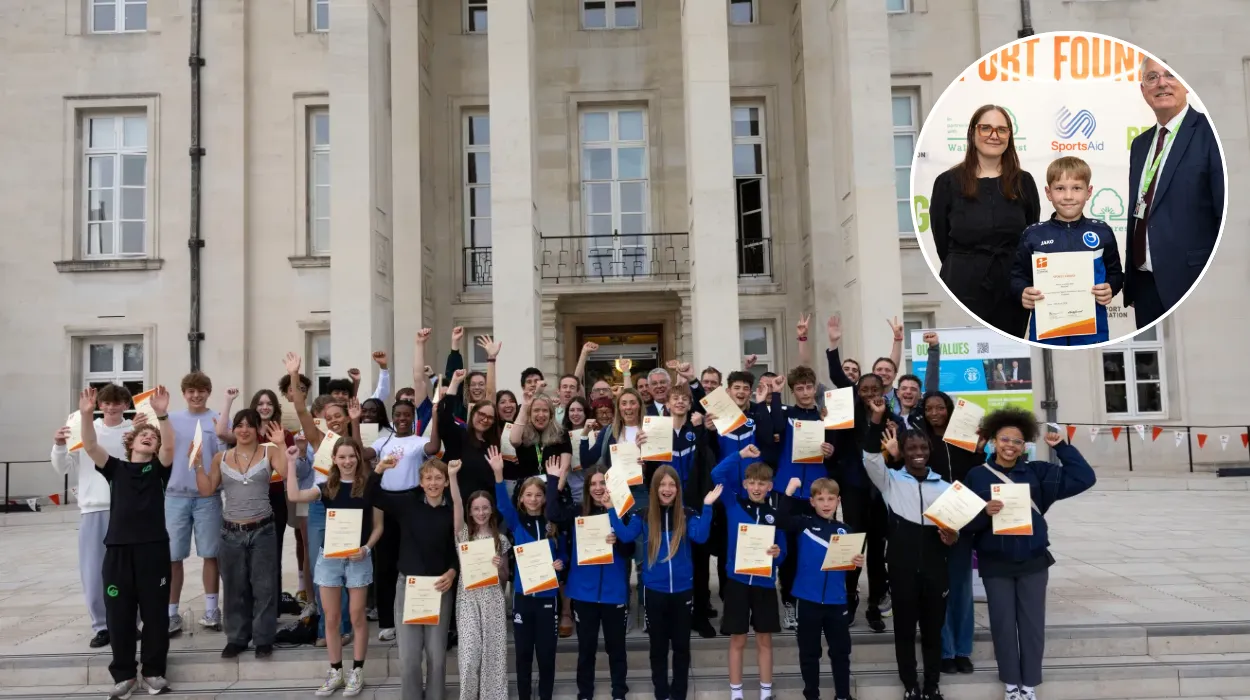
- 68 local athletes received GLL Sport Foundation (GSF) awards at a record-breaking ceremony on 15 June 2026
- The awards event took place at Waltham Forest Town Hall in a special celebration of local sporting achievement
- 37% of awards went to athletes under 16 years old, highlighting youth focus of the programme
- Edward Turchyn, the youngest recipient at karate, won silver at Copenhagen Open and will compete in Polish Open
- BMX competitors Harry Holmes (13) and Erin Holmes (11), plus sailing champion Jude Baldock (11), received awards
- GSF will provide £45,000 support this year to local athletes, with 96% receiving no other financial backing
- now in its 18th year, GSF has contributed nearly £20m in athlete funding and distributed nearly 35,000 awards
- The programme supports athletes across 69 UK areas where GLL operates and covers 121 different sports
- 3,234 athletes across the UK will benefit from the programme this year, a record cohort
- Event attendees included Peter Bunday (GSF Chair and GLL CEO), Cllr Anna Rose Kerr, and Debbie Porter
- Triathlon ambassador Lucy Charles-Barclay participated in Q&A, praising GSF’s ongoing support
- Daniel Bank noted nine new athletes aged under 14 received awards, with support particularly key for this age group
- GSF Patron Sally Gunnell OBE highlighted the timing of support as crucial for young athletes’ careers
- All athletes receive access to over 250 GLL “BETTER” brand sport and leisure facilities across the UK
- GSF provides financial bursaries, physical rehabilitation access, and mental wellbeing support
Waltham (Britain Today News) June 17, 2026 – Sixty-eight young local athletes gathered at Waltham Forest Town Hall on 15 June to receive prestigious GLL Sports Foundation awards following a record number of applications to the scheme this year, marking the largest ever award cohort in the programme’s 18-year history.
- Key Points
- Who Received Awards at the Waltham Forest Sports Ceremony?
- What Does the GLL Sport Foundation Award Programme Provide?
- When and Where Did the Awards Ceremony Take Place?
- Why Is This Year’s Award Cohort Particularly Significant?
- How Did Local Athletes Respond to receiving GSF Awards?
- Who Attended the Awards Event as Officials and Dignitaries?
- What Is Peter Bunday’s Vision for GSF’s Future?
- How Has GSF Impact Evolved Over 18 Years?
- What Financial Support Will Athletes Receive This Year?
- Which Sports Disciplines Are Represented Among Award Recipients?
- What Is the Demographic Breakdown of Award Recipients?
- How Does GSF Support Athletes Beyond Financial Bursaries?
- What Does Lucy Charles-Barclay’s Success Story Demonstrate?
- What Impact Will This Have on Waltham Forest’s Sporting Community?
- What Are the Future Prospects for Award Recipients?
- How Does This Programme Compare to Other Athlete Award Schemes?
Who Received Awards at the Waltham Forest Sports Ceremony?
The awards event recognised remarkable sporting talent across multiple disciplines, with young athletes well represented as 37% of awards went to competitors under 16 years old. As reported by Daniel Bank of GLL Community Sport,
“This year, GSF will be providing £45,000 of support to local athletes, 96% of whom receive no other financial backing.”
Edward Turchyn emerged as this year’s youngest recipient, a karate competitor who trains at Waltham Forest Feel Good Centre. According to the official GLL Sport Foundation report, Edward won a silver medal at the Copenhagen Open karate competition last year and will be competing in the Polish Open this weekend. Edward expressed his pride:
“I am proud to get this funding. It helps me do my best and represent England at international competitions. My aim is to train really hard and win gold.”
BMX competitors made significant appearances at the ceremony, with Harry Holmes, aged 13, and his sister Erin Holmes, aged 11, both receiving awards. Also recognised was 11-year-old sailing champion Jude Baldock, demonstrating the diverse sporting disciplines represented among the award recipients.
What Does the GLL Sport Foundation Award Programme Provide?
The largest independent athlete award programme in the UK, GSF supports athletes through comprehensive support systems including financial bursaries, access to physical rehabilitation and mental wellbeing support. As detailed in the GLL Sport Foundation official documentation, in addition to all financial support, athletes are given access to over 250 sport and leisure facilities across the UK operated by GLL under its “BETTER” brand.
This year marked a significant milestone as a record number of applicants were received from athletes across the UK, demonstrating the programme’s growing reach and importance in supporting young sporting talent. The foundation’s comprehensive approach addresses both physical and mental aspects of athletic development, ensuring athletes receive holistic support throughout their careers.
When and Where Did the Awards Ceremony Take Place?
The awards were presented at a special event on 15 June 2026 at Waltham Forest Town Hall, bringing together local athletes, foundation officials, and community leaders in celebration of sporting achievement. The venue, located in North London’s Waltham Forest borough, provided an appropriate setting for recognising local sporting talent.
The ceremony date coincided with mid-June 2026, positioning the event within the summer sporting season when many competitions occur. This timing allows recipients to immediately utilise their funding for upcoming competitions and training programmes throughout the rest of the year.
Why Is This Year’s Award Cohort Particularly Significant?
Now in its 18th year, GSF has contributed nearly £20m worth of athlete funding and support and distributed nearly 35,000 awards to young and talented athletes in 69 areas of the UK where GLL operate and across 121 different sports. As reported by GSF Patron Sally Gunnell OBE,
“It’s fantastic to see the GLL Sport Foundation announcing its largest ever award cohort in 2026.”
The significance extends beyond mere numbers. Sally Gunnell OBE emphasised the strategic timing of support:
“The support continues to make a difference to young athletes at precisely the point in their careers when they most need it – keeping them training and focused on success. I wish them the very best of luck in their sporting careers.”
Daniel Bank highlighted the critical importance for younger athletes:
“We gave awards to nine new athletes aged under 14 this year and the support is particularly key for this age group.”
This demographic focus demonstrates the programme’s commitment to nurturing talent from early stages of athletic development.
How Did Local Athletes Respond to receiving GSF Awards?
Local triathlon athletes Lucy Charles-Barclay and her husband Reece both stand as GSF recipients, with Lucy participating in a Q&A at the event in her capacity as a GSF ambassador. Her perspective as a successful recipient provides valuable insight into the programme’s impact.
Lucy Charles-Barclay expressed profound gratitude:
“We cannot thank the GLL Sport Foundation enough for their ongoing support. Without their help, we couldn’t have dreamt of reaching the level we have so quickly and we have stayed loyal to the support programme since to help inspire more athletes.”
This testimony from a successful ambassador athlete demonstrates the programme’s long-term effectiveness and the loyalty it generates among recipients who continue to contribute to inspiring future generations of athletes.
Who Attended the Awards Event as Officials and Dignitaries?
The awards event was attended by key figures in sports administration and local government, including GSF Chair and GLL CEO Peter Bunday, new Waltham Forest Cabinet Member for Culture, Sport and Communication Cllr Anna Rose Kerr, and Strategic Director for Neighbourhoods and Environment Debbie Porter.
Peter Bunday’s dual role as GSF Chair and GLL CEO positions him as the primary decision-maker for the foundation’s directions. As reported by Peter Bundey in his official statement,
“GLL is a successful worker-owned cooperative and charitable social enterprise that has brought growing impact to public services and local communities over 33 years of successful operation.”
Cllr Anna Rose Kerr’s presence as the new Cabinet Member for Culture, Sport and Communication demonstrates local government support for the programme and its importance to Waltham Forest’s cultural and sporting landscape. Debbie Porter’s attendance as Strategic Director for Neighbourhoods and Environment highlights the programme’s integration with broader community development initiatives.
What Is Peter Bunday’s Vision for GSF’s Future?
GSF Chair and GLL CEO Peter Bundey articulated a comprehensive vision for the foundation’s ongoing mission. As reported by Peter Bundey,
“The GSF remains central to our remit to widen and deepen opportunities available to talented young athletes and build a legacy through sport.”
Peter Bundey continued with specific achievements:
“Thanks to the generosity of our sponsors and our own purposed business model, we are delighted to announce a record 3,234 athletes across the UK will benefit from the programme this year. I want to wish them every success and we look forward to seeing them in competition here and abroad in years to come.”
This statement reveals the programme’s expanded reach beyond local Waltham Forest athletes to encompass the entire UK, with 3,234 athletes benefiting nationally. The mention of competitors appearing “here and abroad” indicates the programme’s support for international competition participation.
How Has GSF Impact Evolved Over 18 Years?
The foundation’s 18-year history demonstrates consistent growth and expanding impact. The nearly £20m contributed in athlete funding and nearly 35,000 awards distributed represents substantial investment in young sporting talent across the UK.
The programme’s expansion to 69 areas where GLL operates and coverage of 121 different sports demonstrates remarkable diversity and geographical reach. This evolution from a local initiative to a national programme reflects growing recognition of the importance of financial support for young athletes.
The record number of applications this year indicates increasing awareness and demand for the programme, suggesting continued growth in future years. The foundation’s worker-owned cooperative and charitable social enterprise model, as described by Peter Bundey, provides sustainable financial foundations for ongoing operations.
What Financial Support Will Athletes Receive This Year?
The specific financial commitment for 2026 includes £45,000 of support directed to local athletes, with Daniel Bank noting that 96% of these athletes receive no other financial backing. This statistic highlights the critical importance of GSF funding for athletes who otherwise would lack financial resources.
Daniel Bank explained the alternative scenarios without GSF support:
“Without this scheme, many would be self-funding their training and competitions or relying on family support via the bank of mum and dad.”
This statement reveals the economic barriers many young athletes face and the programme’s role in removing these obstacles.
The funding enables athletes to focus on training rather than financial concerns, directly contributing to improved performance and competition opportunities. The accessibility of over 250 sport and leisure facilities adds significant value beyond direct financial bursaries.
Which Sports Disciplines Are Represented Among Award Recipients?
The diverse range of sports represented includes karate, BMX cycling, sailing, and triathlon, among 121 different sports covered by the programme. Edward Turchyn’s karate competition at Copenhagen Open and upcoming Polish represents international martial arts competition.
Harry Holmes and Erin Holmes’ BMX competition demonstrates support for cycling disciplines, while Jude Baldock’s sailing championship represents aquatic sports. Lucy Charles-Barclay’s triathlon participation showcases endurance sports support.
This diversity across 121 sports demonstrates the programme’s inclusive approach, supporting athletes regardless of their chosen discipline. The geographical spread across 69 UK areas ensures regional diversity in athlete representation.
What Is the Demographic Breakdown of Award Recipients?
The demographic data reveals strong youth focus with 37% of awards going to under-16s. The youngest recipient Edward Turchyn represents the programme’s commitment to very young athletes. Additionally, nine new athletes aged under 14 received awards this year.
The age distribution demonstrates the programme’s focus on developing talent from early stages. Harry Holmes at 13, Erin Holmes at 11, and Jude Baldock at 11 represent the younger demographic successfully receiving support.
This age focus aligns with Sally Gunnell OBE’s observation about support timing being crucial “at precisely the point in their careers when they most need it.” The programme strategically targets athletes at developmental stages where financial support can most significantly impact their trajectories.
How Does GSF Support Athletes Beyond Financial Bursaries?
Beyond direct financial support, GSF provides comprehensive holistic support including access to physical rehabilitation services and mental wellbeing support. This multi-dimensional approach addresses both physical and psychological aspects of athletic development.
The access to over 250 sport and leisure facilities across the UK operated by GLL under the “BETTER” brand provides practical training resources. This facility access represents significant value addition beyond monetary bursaries.
The mental wellbeing support component acknowledges the psychological pressures athletes face, providing resources for managing competition stress, performance anxiety, and other mental health challenges common in competitive sports.
What Does Lucy Charles-Barclay’s Success Story Demonstrate?
Lucy Charles-Barclay’s trajectory from GSF recipient to ambassador demonstrates the programme’s long-term effectiveness. Her triathlon success, achieved with GSF support, validates the foundation’s investment strategy.
Lucy’s statement about reaching “the level we have so quickly” with GSF help demonstrates the acceleration effect of financial support. Her continued loyalty to the programme and desire to “help inspire more athletes” shows the generative impact of successful recipients.
The inclusion of Lucy’s husband Reece as another GSF recipient demonstrates the programme’s support for athlete couples and families, recognising that sporting success often involves family support systems.
Explore More about Sports:
Corvette Claims Landmark LMGT3 Victory with TF Sport at 2026 Le Mans 24 Hours
Moutet’s Heated Interview at Queen’s Sparks Controversy
What Impact Will This Have on Waltham Forest’s Sporting Community?
The recognition of 68 local athletes at Waltham Forest Town Hall demonstrates the programme’s significant local impact. The presence of local government officials including Cllr Anna Rose Kerr indicates community recognition of the programme’s importance.
The event’s venue at Waltham Forest Town Hall positions the ceremony within the local community, making it accessible to local residents and families. This local focus maintains the programme’s roots while expanding nationally.
The record number of applications from Waltham Forest athletes indicates growing awareness and demand for support within the local community, suggesting continued growth in local participation.
What Are the Future Prospects for Award Recipients?
Peter Bundey’s expression of looking forward to “seeing them in competition here and abroad in years to come” indicates expectations for recipients’ continued development and competition participation. The programme’s support for international competitions, as evidenced by Edward Turchyn’s Polish Open participation, demonstrates commitment to global competition opportunities.
The 18-year history with nearly 35,000 awards distributed provides evidence of long-term success in developing competitive athletes. The programme’s sustainable business model and sponsor generosity ensure continued operation and support.
The record 3,234 athletes benefiting nationally this year suggests expanding opportunities for future recipients, with the programme’s growing reach creating more opportunities for young athletes across the UK.
How Does This Programme Compare to Other Athlete Award Schemes?
As the largest independent athlete award programme in the UK, GSF holds unique position in the sports funding landscape. The programme’s independence from government funding, supported by sponsor generosity and business model sustainability, provides distinct advantages.
The comprehensive support package including financial bursaries, rehabilitation access, mental wellbeing support, and facility access exceeds typical award programmes that focus primarily on financial grants. This holistic approach addresses multiple aspects of athlete development.
The programme’s 18-year history and £20m investment demonstrate sustained commitment uncommon in many temporary or short-term funding initiatives. The worker-owned cooperative model provides additional stability and community focus.
The awards ceremony represented a landmark moment in Waltham Forest’s sporting history, recognising 68 local athletes who will benefit from £45,000 in support while joining 3,234 athletes nationally receiving GSF assistance. The programme’s 18-year legacy of nearly £20m in funding and 35,000 awards distributed demonstrates proven effectiveness in developing young sporting talent across 121 sports disciplines.
Young athletes like Edward Turchyn, Harry Holmes, Erin Holmes, and Jude Baldock represent the programme’s success in supporting very young competitors at crucial developmental stages. Ambassador Lucy Charles-Barclay’s testimony validates the programme’s long-term impact, while officials Peter Bunday, Cllr Anna Rose Kerr, and Debbie Porter demonstrate institutional support for continuing this vital work.
The record applications this year and largest ever award cohort indicate growing recognition of financial support’s importance for young athletes, with 96% of recipients receiving no other financial backing. As Sally Gunnell OBE noted, this support arrives precisely when athletes need it most, keeping them training and focused on success as they pursue careers potentially including international competition.