Key Points
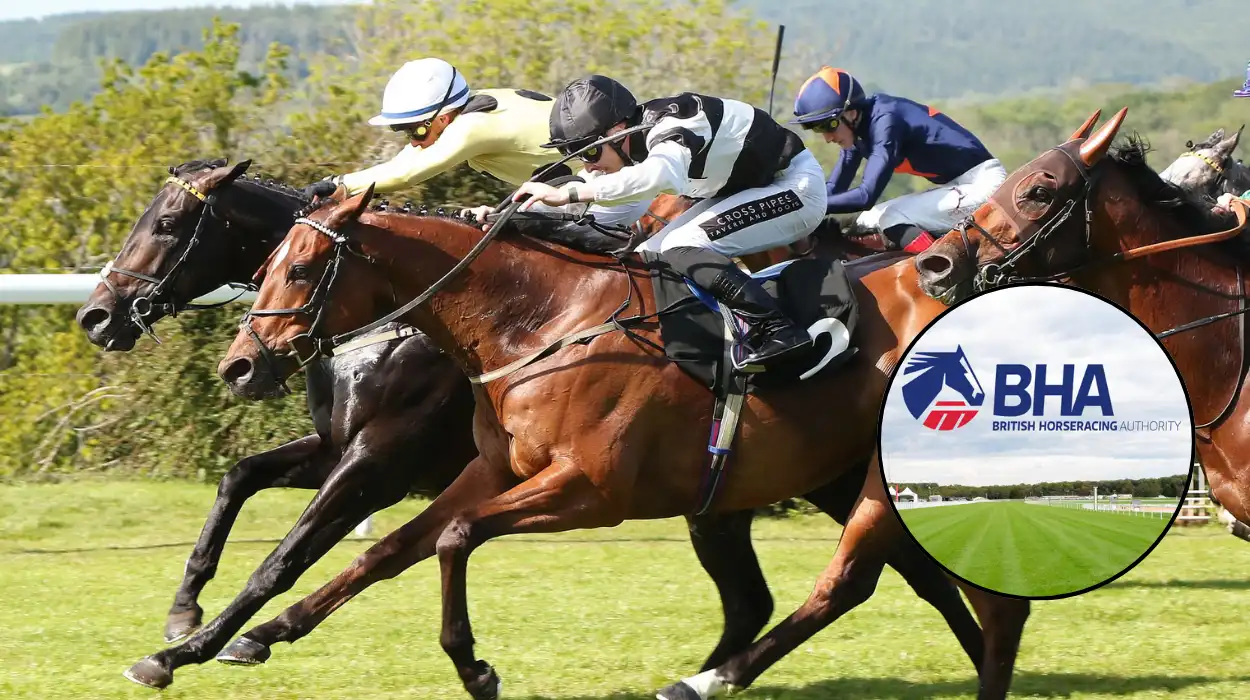
- The British Horseracing Authority has emailed all British trainers to urge heightened vigilance as equine flu cases rise in the wider horse population.
- The warning is designed to reduce the risk of a race shutdown similar to the six-day suspension in February 2019, when 23 meetings were cancelled.
- The BHA says the biggest danger to thoroughbreds in training is contact with sick horses or horses shedding the flu virus.
- New horses entering licensed yards should be vaccinated, isolated for 14 days and monitored daily for signs of infection.
- Vaccination against equine flu is mandatory in licensed yards, with boosters required every six months.
- The BHA has already cancelled the rest of the hunter-chase season and is reviewing the impact of restrictions on the Royal Ascot procession.
- The authority says its decisions are based on science and expert consultation, while acknowledging that some measures have disappointed parts of racing.
- Separate race previews in the same coverage highlighted Jakajaro at Haydock, Cool Molly at Goodwood, Dreamasar at Haydock, Golden Story at Goodwood, Blue Courvoisier at Haydock, King Of Light at York, Division at Haydock, Danielle at York, Gstaad at the Curragh and Hermetic at Haydock.
London (Britain Today News) May 22, 2026. The British Horseracing Authority has warned British trainers to stay vigilant after a rise in equine flu cases in the general horse population, with the governing body moving to reduce the risk of a shutdown of racing. In an email sent to trainers, the BHA said the greatest threat to thoroughbreds in training comes from exposure to sick horses or horses shedding the virus, particularly when horses of unknown disease or vaccination status are kept in close proximity. The authority said this can happen when a horse enters a yard or when animals mix outside racing environments at shows or other equine events.
The BHA’s message is clear: training yards must treat biosecurity as a priority. It said horses brought into licensed yards should be vaccinated and properly isolated for 14 days, while also being monitored daily for signs of infection. That advice comes as reported cases continue to rise in the wider horse population, prompting concern across the sports.
Why is racing concerned now?
The latest warning reflects a broader fear within racing that equine flu could again force a major interruption to the fixture list. The memory of February 2019 remains vivid, when an outbreak led to a six-day shutdown and 23 meetings were cancelled. The BHA is keen to avoid any repeat of that disruption, especially at a time when the disease is being reported in more counties than during the earlier outbreak.
Unlike 2019, there have not been reported cases of infection in racing yards in this current surge, according to the information cited in the coverage. Even so, the authority is treating the situation seriously because a small number of cases in the wrong setting can spread quickly. That is why the governing body has moved early, rather than waiting for confirmed infections inside licensed yards.
What measures has the BHA taken?
The BHA has already cancelled the remainder of the hunter-chase season, including the Stratford card scheduled for next Friday, after restricting racecourse access for horses from non-licensed yards where vaccination is not mandatory. It has also said it is exploring ways to ensure that the ban does not affect the traditional Royal procession before racing at Royal Ascot in June. Those steps show the authority is balancing disease control with the sport’s established traditions and major showcase events.
In its email, the BHA acknowledged that “for some, these actions have been disappointing”. It added that all decisions have been informed by science and made after extensive consultation with independent experts in infectious diseases. The authority’s position is that temporary restrictions are preferable to a wider outbreak that could harm horses, disrupt fixtures and force further cancellations.
How serious is the biosecurity risk?
The BHA says the key danger is not only direct contact with visibly sick horses, but also contact with horses that are shedding the virus before symptoms become obvious. That is why it has stressed the need for isolation, vaccination compliance and daily monitoring in training yards. The advice also reflects the practical reality that horses and people move frequently between yards, events and racecourses, increasing the possibility of transmission.
Equine flu is a highly contagious respiratory disease, so racing officials are urging trainers and staff to treat any warning signs as urgent. Those signs include raised temperature, coughing and nasal discharge. The BHA says any horse showing symptoms should be assessed by a veterinary surgeon without delay.
Explore More about Sports:
Heineken Brings The UEFA Women’s Champions League Final To London With Special Oslo Bar Watch Party 2026
University of Kentucky Reshapes Sports Management with Dual CEO and Athletics Director Leadership Model 2026
What happened in the 2019 shutdown?
The current caution is shaped heavily by the 2019 outbreak, which caused the biggest suspension of racing since foot-and-mouth disease in 2001. In that earlier crisis, more than 100 meetings were abandoned, including the Cheltenham Festival, after the disease threatened the integrity of the sport. The cancellation of 23 meetings over six days showed how quickly equine flu can halt the racing calendar.
That history explains why the BHA has acted before the situation became more serious inside licensed yards. Officials appear determined to prevent the sport from reaching the point where emergency restrictions become unavoidable. The emphasis is therefore on early prevention, strict movement controls and constant monitoring rather than reactive measures after a major spread.
Which horses were highlighted in the racing preview?
Alongside the biosecurity warning, the coverage also carried race previews and betting assessments for Saturday’s major meetings. Jakajaro was described as having an excellent each-way chance in the Temple Stakes at Haydock after an impressive handicap win at York earlier in the month. Cool Molly was noted for her strong early-season all-weather form and a promising turf debut at Chester.
Dreamasar was put forward as an interesting each-way option in another Haydock contest, while Golden Story was judged capable of beating Saxon Street at Goodwood. Blue Courvoisier was mentioned as a strong candidate in a competitive three-year-old handicap, King Of Light was favoured by a single-figure draw at York, and Division was tipped to reverse Ascot form at Haydock. Danielle, Gstaad and Hermetic were also singled out in their respective races.
What does this mean for trainers?
For trainers, the message is to tighten everyday routines and avoid unnecessary risk. The BHA is effectively telling yards to be careful about incoming horses, outside mixing and any movement that could expose thoroughbreds to infection. In practical terms, that means verifying vaccination status, isolating new arrivals and watching closely for early symptoms.
The wider racing community is also being asked to support the effort by accepting short-term inconvenience to protect the sport’s longer-term stability. The BHA’s approach suggests that further restrictions could follow if case numbers continue to rise. For now, the governing body is signalling that vigilance is the best defence against a repeat of the 2019 disruption.