Key Points
- Senior health officials in Scotland have boasted that the National Health Service’s reputation is more important than patient safety.
- Dr Ian Kennedy, who chaired BMA Scotland, said there is a “culture of cover-up” going on in which whistleblowers are subjected to character attacks and career damage.
- Dr Michael Bradnam, one of the scientists at Queen Elizabeth University Hospital (QEUH) in Glasgow, told the Scottish Hospitals Inquiry that his safety concerns were brushed aside for 15 years.
- Health Secretary Angela Constance dismissed the allegations as “simply untrue” and said that the government’s priorities are to ensure the safety of patients.
- Dr Gray’s Hospital in Elgin has put a halt to its planned paediatric surgery after an inspection from Health Improvement Scotland raised concerns about safety.
- A “nothing to see here” attitude prevails in some areas of the NHS, sometimes described as a ‘pest’, according to Scotland’s Patient Safety Commissioner Karen Titchener.
- Bradnam’s presentation had families “shocked to the core” with the evidence of QEUH infections.
- Bradnam’s concerns were passed to the current leadership of his health board, which started a formal process to review his concerns and has been quick to engage.
- Both Kennedy and Titchener noted that cultural change has to start at the top — from the first minister and health cabinet secretary.
- Constance noted that the school needed to make zero tolerance of bullying, support whistleblowing, and continue investing in staff wellbeing.
Scotland (Britain Today News) August 21, 2026 — Senior health officials have accused Scotland’s NHS of prioritising its reputation over patient safety, alleging a systemic “culture of cover-up” that punishes clinicians who raise concerns. The claims, made on 21 August 2026, come amid heightened scrutiny of hospital safety following a whistleblower’s 15-year account of ignored warnings at Glasgow’s Queen Elizabeth University Hospital (QEUH) and an emergency suspension of paediatric surgery at Dr Gray’s Hospital in Elgin.
- Key Points
- What allegations have senior officials made about Scotland’s NHS?
- Why did Dr Michael Bradnam say his safety warnings were ignored for 15 years?
- How have families reacted to the QEUH whistleblower evidence?
- What did Glasgow’s health board say about the whistleblower claims?
- Is there a ‘nothing to see here’ culture in Scottish health boards?
- Why do officials say cultural change must come from the top?
- What happened at Dr Gray’s Hospital in Elgin this week?
- How did Health Secretary Angela Constance respond to the accusations?
- What protections and support exist for whistleblowers in Scotland’s NHS?
- What next for patient safety and accountability in Scotland’s NHS?
What allegations have senior officials made about Scotland’s NHS?
Dr Ian Kennedy, outgoing chair of the British Medical Association (BMA) Scotland, told the BBC there was a “culture of cover-up” in the NHS, where clinicians who raised concerns often had their “characters challenged”, and their careers suffered. As reported by BBC News, Kennedy said:
“Sadly there is a culture of cover-up, there’s a culture of trying to keep things hidden and to protect the reputation of health boards and ultimately to protect the government”.
He added that a survey of 17,000 BMA Scotland members found the problem was “absolutely across the board” and that change had to come from the “very top”.
Why did Dr Michael Bradnam say his safety warnings were ignored for 15 years?
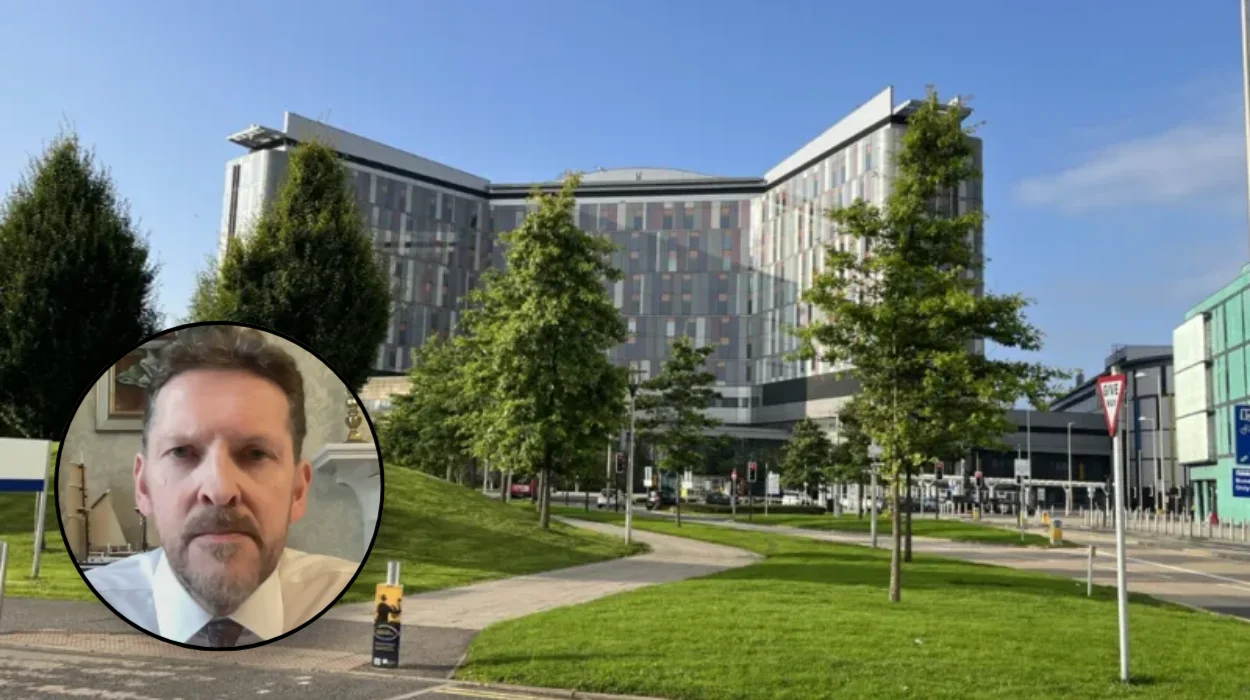
Dr Michael Bradnam, a medical physicist involved in the construction and operation of Glasgow’s super-hospital, claimed in a late submission to the Scottish Hospitals Inquiry that his safety concerns were ignored for 15 years. Bradnam said he received no “formal responses” when he raised issues about ventilation systems, electrical safety and humidity control at the QEUH. He told the inquiry he had submitted three separate Situation, Background, Assessment and Recommendations (SBAR) reports but received no confirmation that recommendations were implemented or escalated within governance processes.
How have families reacted to the QEUH whistleblower evidence?
Families who lost loved ones as a result of environmental issues at the QEUH said they were “shocked to the core” by Bradnam’s claims, according to reporting by the Glasgow Times and Upday. As noted by the Glasgow Times, Dr Bradnam stated:
“To date, I have received no formal response to those SBARs, nor any confirmation that my recommendations have been implemented or that the assurance gaps they identified have been addressed”.
The Scottish Hospitals Inquiry was launched in 2019 after serious concerns about infections and the deaths of four patients at the QEUH campus.
What did Glasgow’s health board say about the whistleblower claims?
Glasgow’s health board said that when Bradnam’s concerns were raised with the current leadership team,
“we engaged quickly and established a formal review process to investigate issues thoroughly”.
as reported by BBC News. The board’s statement sought to distinguish between historical handling of concerns and current governance responses, though it did not directly address the 15-year timeline described by Bradnam.
Is there a ‘nothing to see here’ culture in Scottish health boards?
Scotland’s Patient Safety Commissioner Karen Titchener said that, although she could not make sweeping statements about all health boards, in her experience “it would appear” reputation was placed above patient safety and there was a “‘nothing to see here’ culture”, according to BBC News and Ireland Live. Titchener added that health boards sometimes turned on patients when they made complaints:
“Time and time again, and I would say with the majority of our stories, the patients just shut down, and they’re not listened to”.
She warned:
“They’re even seen as a pest and an aggressive patient when they’re trying to bring up something when they feel that harm was caused to them”.
Why do officials say cultural change must come from the top?
Kennedy, who was a whistleblower over bullying at NHS Highland, said he was “not surprised at all” by Bradnam’s experience and stressed that “the culture is set at the top, at the very top”, as reported by BBC News. He told the BBC’s Radio Scotland Breakfast programme:
“It’s really important that whoever is first minister in Scotland and the cabinet secretary for health, they set the culture, as do the MSPs in Holyrood”.
Titchener echoed this, saying:
“We all have to be open and transparent, but also we’ve got to start taking accountability for what goes on”.
What happened at Dr Gray’s Hospital in Elgin this week?
This week Dr Gray’s Hospital in Elgin suspended all planned paediatric surgery after concerns were raised about the quality and safety of care for children, following an unannounced inspection by Health Improvement Scotland (HIS) in April, according to BBC News. The suspension underscores broader anxieties about patient safety across Scotland’s hospital estate and has intensified political pressure on health boards and the Scottish Government.
How did Health Secretary Angela Constance respond to the accusations?
Health Secretary Angela Constance said the idea that health boards had put their reputation first was “simply untrue”, as reported by BBC News. She stated:
“The Scottish government works very closely with NHS Boards to deliver on our shared priorities for patients. Central to this is patient safety and ensuring our hard-working NHS workforce is supported to deliver high-quality care”.
Constance added that she took a zero-tolerance approach to bullying and harassment and expected all boards to act in line with NHS values.
Explore More about Politics:
Richard Tice Hits Back at Reform UK Critics as Party Civil War Escalates
Alan Gemmell Welcomes £750m Prestwick Aerospace Deal
What protections and support exist for whistleblowers in Scotland’s NHS?
Constance said:
“Employees should be able to raise any concerns safely, and we will continue to ensure support for whistleblowing is in place across every board”.
She also pledged continued investment in NHS staff wellbeing “to ensure they can continue to deliver the best care”. However, Kennedy’s survey of 17,000 BMA Scotland members suggested many clinicians still fear detriment to their careers if they speak out, indicating a gap between policy and practice.
What next for patient safety and accountability in Scotland’s NHS?
With the Scottish Hospitals Inquiry ongoing and fresh safety incidents emerging, pressure is mounting on the Scottish Government and health boards to demonstrate tangible cultural change. Kennedy’s call for leaders to reward, not punish, those who raise concerns, and Titchener’s demand for openness and accountability frame the debate as one of systemic reform rather than isolated failures.