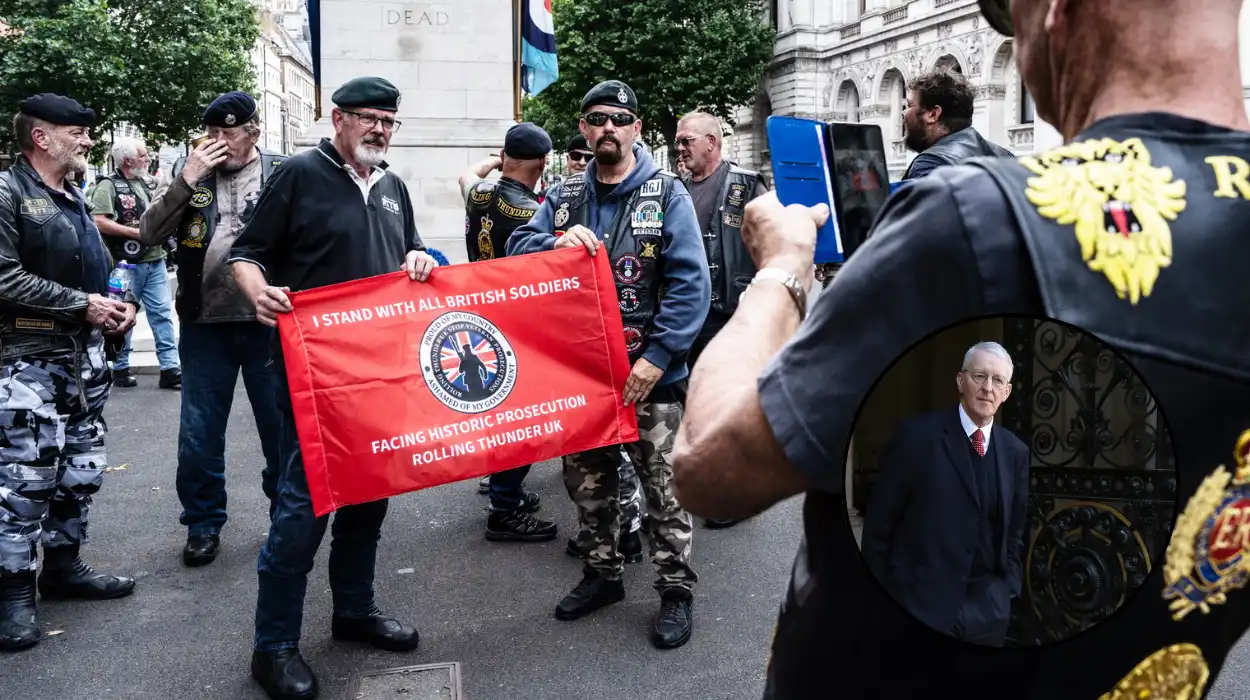
Key Points
- The UK government will delay the Northern Ireland legacy legislation because it plans to introduce a substantial package of amendments.
- Northern Secretary Hilary Benn said the changes are intended to safeguard British army veterans and improve the process for victims and families.
- The Bill’s return to the House of Commons will now be pushed back until early in the next parliamentary session, potentially this autumn.
- The government said it has been consulting widely, including with veterans, and has been considering amendments and recommendations.
- Benn said the revised approach will further safeguard Operation Banner veterans and provide oversight of their protections.
- He said the legislation will also clearly differentiate between the role of security forces during the Troubles and the actions of paramilitary terrorists.
- Sinn Féin MP John Finucane criticised the delay, saying it was designed to placate the British military lobby and would damage confidence among victims and families.
- DUP leader Gavin Robinson said the legislation had drifted for two years and called the delay unacceptable and deeply frustrating.
- The Bill is meant to replace the widely opposed 2023 Legacy Act and form part of a new joint approach with the Irish Government.
Why is the NI legacy Bill being delayed?
Belfast (Britain Today News) April 22, 2026. The UK government has delayed its new Northern Ireland legacy legislation after deciding to bring forward a substantial package of amendments aimed at strengthening protections for British army veterans and refining how the Bill works for victims and families. As reported by the Northern Secretary Hilary Benn in a written ministerial statement, the move means the Bill will not return to the House of Commons until early in the next parliamentary session, potentially in the autumn. The decision marks a significant pause in the government’s attempt to replace the controversial Legacy Act with a fresh legal framework for dealing with the Troubles.
The legislation was introduced last year as part of a pledge to repeal and replace what the government has described as the failed Legacy Act, following an agreement with the Irish Government on a joint approach to legacy issues. The 2023 Act had already drawn criticism from the Irish Government and from victims’ groups because it replaced criminal and civil investigations, along with inquests, with inquiries handled by the new investigative body, the ICRIR. The latest delay shows that the government believes the Bill still needs further political and legal work before it can proceed.
What did Hilary Benn say?
Benn said it had become clear that the government needed to do more through the legislation to safeguard the veterans community. He said it was vital that those who served the State should have confidence in the law, given the particular duty of care owed to them. According to Benn, recent months of consultation had included veterans, and the outcome was a package of amendments designed to improve the process for victims and families while also strengthening protections for Operation Banner veterans.
He also said the government wanted to ensure oversight of those protections and to draw a clearer distinction between the conduct of security forces during the Troubles and the actions of paramilitary terrorists. Speaking before the Northern Ireland Affairs Committee, Benn said the government had “basically run out of time” in the current session and needed more time to complete the work properly. That admission suggests the delay is driven not only by policy changes but also by the parliamentary timetable.
How will the amendments change the Bill?
The government has said the amendments will be substantial and will not simply make technical adjustments. Instead, they are expected to improve the process for victims and families, reinforce safeguards for veterans, and ensure that the protections built into the Bill are properly supervised. Benn’s statement indicates that ministers want the legislation to be more explicit about the different roles played during the Troubles by state forces and armed groups.
The emphasis on veterans is likely to be central to the revised draft. Benn said there had been many conversations with veterans, though not only with them, and that those discussions had revealed concerns that ministers now want to address. The government’s position is that the legislation should command confidence from those who served, while still meeting the needs of victims and families affected by the conflict.
Why do victims’ groups remain concerned?
Victims’ groups and opponents of the previous Legacy Act have long argued that the law weakened their chances of truth and justice. The original framework replaced familiar investigative and legal routes with the ICRIR, a new body that critics said lacked trust and credibility. The latest delay may deepen those concerns because it suggests the final shape of the new Bill is still unsettled and could shift further in favour of veteran protections.
Sinn Féin MP John Finucane said the move was designed to placate the British military lobby and would further erode the confidence of victims and families who have spent decades seeking truth and justice. He described it as an act of political cynicism and urged the Irish Government to speak out against what he called a diversion from the joint legacy framework. His criticism reflects continuing political tension around how the past should be addressed, especially when the interests of veterans and victims appear to be in conflict.
What did unionist politicians say?
The DUP leader Gavin Robinson said the legislation had been allowed to drift for two years and argued that the latest delay was unacceptable. He said it was extraordinary that the Secretary of State had repeatedly defended the Bill and was now planning major amendments that could reshape it fundamentally. Robinson said the government must now provide clarity and delivery for both victims and veterans.
His comments show a different kind of frustration from that expressed by Sinn Féin. Where Sinn Féin is concerned that the changes may favour the British military establishment, Robinson appears frustrated that the government has not moved quickly or decisively enough. Together, the reactions underline how difficult it remains to build support for any legacy mechanism that can satisfy all sides in Northern Ireland and beyond.
What does this mean for the peace process legacy debate?
The delay keeps one of the most sensitive political questions from the Troubles unresolved. The legislation is supposed to form part of a wider agreement between the UK and Irish governments on how to deal with the past, but the need for further amendments suggests that consensus is still distant. That matters because legacy policy is not just a legal issue; it also affects relations between London and Dublin, as well as trust among communities that lived through decades of violence.
The government’s focus on protecting veterans may help it answer criticism from former service personnel and their supporters, but it may also complicate efforts to persuade victims’ families that the process is fair. Benn’s insistence that there is no equivalence between security forces and paramilitary terrorists is politically important, yet it also reveals how carefully ministers are trying to balance competing narratives. The Bill is therefore likely to remain a major test of whether the UK can legislate for legacy in a way that is both politically workable and publicly credible.
What happens next?
The government has said the Bill will return in the next parliamentary session, with early autumn looking like the most likely window. That gives ministers time to draft and table the amendments, consult further, and try to reduce the risk of another political backlash. It also means victims, families, veterans, and parties in Northern Ireland will have to wait longer for clarity on how legacy cases will be handled.
For now, the key message is that the government is not abandoning the Bill, but it is admitting that the current version is not ready. The delay signals that ministers believe the political and legal stakes are too high to rush the legislation through without extra safeguards. Whether those changes satisfy veterans, reassure victims, and hold together the wider agreement with Ireland will become clear only once the revised text is published.