Key Points
- Prime Minister Andy Burnham has made cross-party consensus on social care reform a central plank of his early premiership, having taken office on 20 July 2026.
- Burnham has said the NHS will collapse if the social care system is not fixed, linking failures in care provision directly to hospital bed shortages and delayed discharges.
- He wants a National Care Service, previously floated in Labour’s manifesto, and has signalled continued support for care that is free at the point of need.
- Burnham’s approach echoes an attempt he made in 2010, which collapsed after the Conservatives labelled his proposals a “death tax.”
- Commentators at The Spectator have questioned whether Burnham’s cross-party invitation is genuine, noting Reform UK has not been included in discussions.
- The Liberal Democrats have published their own proposals, arguing England’s adult social care system is in crisis and needs a sustainable funding footing.
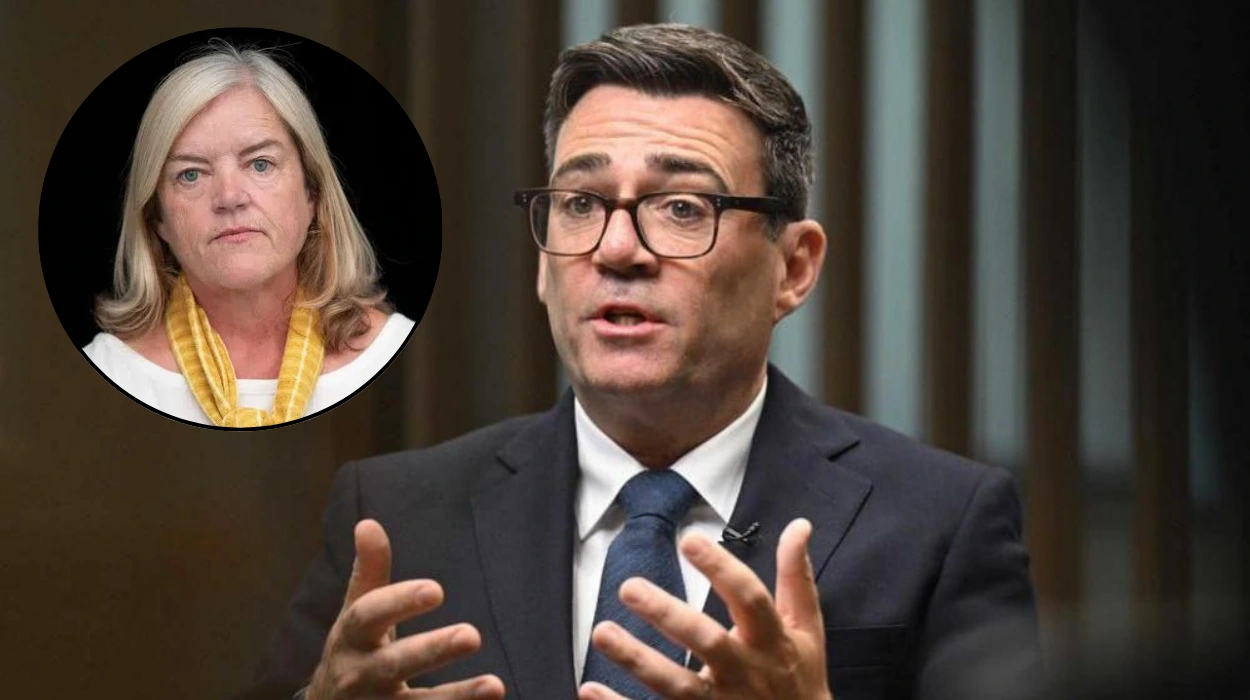
- An independent review, associated with Baroness Louise Casey, is expected to feed into government thinking before wider public consultation.
- Burnham is reportedly seeking meetings with Conservative leader Kemi Badenoch and Liberal Democrat leader Ed Davey to discuss the way forward.
- The new prime minister is currently benefiting from a polling bounce, though analysts caution this may not be sufficient to see reform through.
London (Britain Today News) August 01, 2026 – Prime Minister Andy Burnham has called on rival parties to join cross-party talks aimed at fixing England’s long-troubled social care system, warning that the National Health Service cannot be sustained unless the underlying problems in care provision are resolved. The appeal, made in the early weeks of his premiership, revives a policy fight that has defeated successive governments for more than fifteen years and which contributed to the collapse of Burnham’s own reform attempt in 2010.
- Key Points
- Who Is Andy Burnham And How Did He Become Prime Minister?
- What Has Burnham Proposed On Social Care?
- Why Does Burnham Say The NHS Will Collapse Without Reform?
- How Does This Compare To Burnham’s Failed 2010 Attempt?
- Who Has Questioned Burnham’s Sincerity On Cross-Party Talks?
- What Are The Other Parties Proposing?
- What Political Risks Does Burnham Face?
- What Happens Next For Social Care Reform?
Who Is Andy Burnham And How Did He Become Prime Minister?
Andy Burnham took office as prime minister on 20 July 2026, three days after being confirmed as Labour leader following Sir Keir Starmer’s resignation. Burnham became Britain’s seventh prime minister in a decade of political instability, having secured backing from 379 of the party’s 403 MPs, a proportion that exceeded the nomination share won by Gordon Brown in 2007. Burnham told an audience of lawmakers, activists and trade union leaders that he intended to “give them hope back,” pledging to shift power away from central government in London towards local leaders in cities and regions.
Burnham’s route to Number 10 was unconventional. He had served as Mayor of Greater Manchester since 2017 and returned to Parliament only weeks before taking the leadership, having won a by-election in the constituency of Makerfield. Reporting from Al Jazeera noted that his elevation followed sustained pressure on Starmer after poor local election results and persistent polling deficits against the populist Reform UK party.
What Has Burnham Proposed On Social Care?
At the centre of Burnham’s early domestic agenda is a renewed push to overhaul adult social care, an area of policy that combines high political risk with acute public need. Coverage from Prism News reports that Burnham wants to introduce “substantial change” to the system before leaving office and has continued to back a model of care that remains free at the point of need. This builds on the National Care Service concept Burnham has championed intermittently since his time as health secretary, and which featured in Labour’s most recent general election manifesto.
The proposal is not new to Burnham. Burnham previously floated a National Care Service funded partly through an additional inheritance tax, arguing in the Evening Standard that a rival policy proposal “spectacularly fails the intergenerational fairness test.” That earlier intervention was widely read at the time as evidence of leadership ambitions rather than a settled government position.
Why Does Burnham Say The NHS Will Collapse Without Reform?
Burnham has repeatedly tied the fate of the NHS to the state of social care, arguing the two systems cannot be fixed in isolation. As reported by Prism News, Burnham told the BBC that “the NHS will collapse” unless social care is reformed, a warning intended to capture how long-running failures in care provision feed directly into hospital pressure, delayed discharges and bed shortages.
This argument is not unique to Burnham. Cross-party letters and independent reviews stretching back over a decade have made similar points. A 2017 letter signed by ninety MPs and reported by the BBC called for a non-partisan convention on the NHS and social care, warning that patients were being “failed” by a system under considerable strain. That letter, like several before it, did not result in lasting reform, illustrating the scale of the challenge now facing Burnham.
How Does This Compare To Burnham’s Failed 2010 Attempt?
Burnham’s current push carries the weight of history. According to analysis published by The Spectator, Burnham’s first major act in the top job represents a return to political territory that previously cost him dearly. In 2010, his attempt at what the outlet described as a “legacy-defining Beveridge moment” — the creation of a National Care Service — partially cost Labour power at that year’s general election, and was followed by two unsuccessful Labour leadership bids and what the same analysis called his “exile to Manchester.”
The 2010 collapse is widely attributed to a cross-party row in which the Conservatives characterised Labour’s funding plans as a “death tax,” a label that proved politically devastating despite the two main parties having initially engaged constructively, according to BBC reporting from the period. Burnham is understood to be acutely aware of that precedent as he attempts a second run at reform from a stronger position.
Who Has Questioned Burnham’s Sincerity On Cross-Party Talks?
Not all commentators are convinced that Burnham’s invitation to rival parties is made in good faith. The Spectator has argued that Burnham’s approach could amount to what it described as hypocrisy, given what it called the “conspicuous failure to invite Reform” to the discussions. The same analysis suggested Burnham “appeals for everyone to be reasonable but behaves as though he’s after hostages, not partners,” framing the independent review led by Baroness Casey as a possible means of “outsourcing responsibility” for tax rises or immigration-linked funding measures that reform may ultimately require.
Separately, The Spectator has questioned whether genuine cross-party consensus is realistic at all, noting that when Burnham was health secretary his social care plans secured only “entirely superficial” cross-party backing from the Conservatives before it collapsed into the death tax dispute.
What Are The Other Parties Proposing?
The Liberal Democrats have set out their own position ahead of any formal cross-party negotiations. According to Prism News, the party’s Policy Paper 151, titled A More Caring Society, argues that England’s adult social care system is in crisis and that successive governments have failed to place it on a sustainable financial footing. Liberal Democrat leader Ed Davey is reported by The Spectator to be among the party leaders Burnham wishes to meet directly to discuss next steps, alongside Conservative leader Kemi Badenoch.
Historically, the parties have taken markedly different approaches when reform has been debated. BBC reporting from the 2019 general election recorded that the Conservatives had pledged an extra £1 billion a year for social care in England alongside a search for cross-party consensus, while Labour proposed a lifetime cap on personal contributions and a National Care Service based on the NHS model, and the Liberal Democrats proposed £7 billion in extra funding for the NHS and social care combined, financed by an additional penny on income tax.
Explore More about Politics:
Healey Sets October Budget Date, Unveils Devolution Plan
UK Ijtima Terror Plot Claim Unravels as Yusuf Accuses Mahmood
What Political Risks Does Burnham Face?
Burnham enters this debate from what The Spectator describes as a position of vulnerability as much as opportunity. The outlet notes that the prime minister is
“probably the figure who bears the greatest scars on their back out of everyone who has attempted to reform social care,”
a reference to his lengthy history with the policy area stretching back to 2009. Despite this, Burnham is said to be benefiting from what the same analysis calls “the honeymoon glow of a bounce in the polls” following his rapid ascent to Number 10, though it cautions that this bounce “may not be enough” to guarantee reform succeeds where previous attempts failed.
The wider political backdrop remains difficult. Reform UK has led national opinion polls for months, while Labour endured what CNN described as catastrophic results in the May 2026 local elections, developments that placed direct pressure on Starmer to resign and ultimately opened the door to Burnham’s leadership.
What Happens Next For Social Care Reform?
Burnham has indicated he does not want to leave office without delivering substantial change to the social care system, according to Prism News, and is pursuing direct engagement with Badenoch and Davey as a next step. The independent review linked to Baroness Casey is expected to continue informing government thinking, with a wider public consultation anticipated to follow.
Given the repeated collapse of previous cross-party efforts — from the 2011 talks that followed the Winterbourne View abuse scandal, to the 2017 MPs’ letter, to the 2019 manifesto commitments that were never reconciled between parties — the central test for Burnham’s second attempt will be whether his government can secure durable agreement on funding, rather than the shorter-lived political consensus that unravelled in 2010. As of publication, no formal date for cross-party negotiations has been confirmed.