Key Points
- Downing Street has confirmed the government will continue to operate as normal while Prime Minister Andy Burnham takes a family holiday.
- Burnham entered No 10 two weeks ago and has taken a break from day-to-day duties, though he remains in contact with officials.
- His official spokesman said the prime minister would continue holding meetings remotely during his time away.
- Reform UK chairman Lee Anderson has criticised Burnham, accusing him of having “bunked off” after a series of unfunded policy commitments.
- Justice Secretary Alex Norris defended the prime minister, saying he remains in constant contact with his cabinet.
- Conservative leader Kemi Badenoch declined to criticise the holiday itself but said Burnham should have recalled Parliament to face scrutiny.
- Burnham’s break follows a flurry of announcements in his first fortnight, including a VAT cut on household electricity bills and a reinstated £2 bus fare cap.
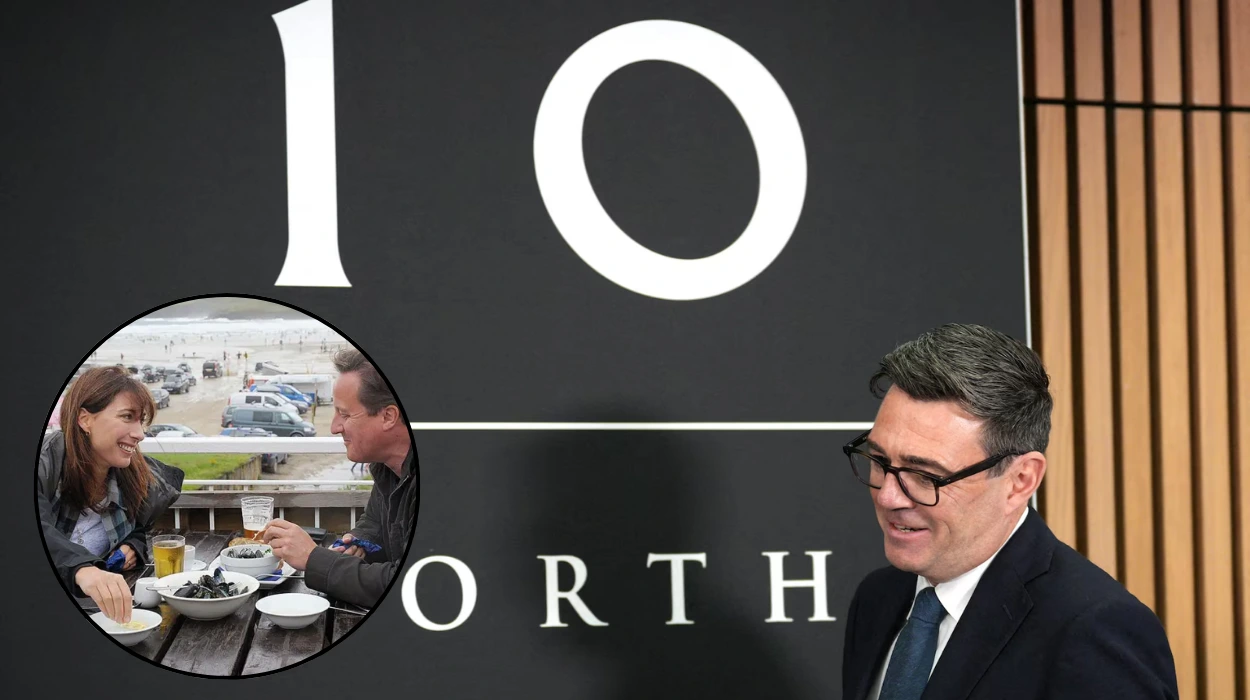
- He has also set up a “No 10 North” base in Manchester and proposed sharing income tax revenue with English city mayors.
- His last public engagement was a visit to Dover, where he pledged to be “relentless” in tackling small boat crossings.
- The holiday draws comparisons with previous prime ministers, including Gordon Brown, who had to cut short a break in 2007 due to a foot-and-mouth outbreak.
London (Britain Today News) August 04, 2026 – Andy Burnham’s government will continue to operate normally while the new prime minister takes a short break from his day-to-day responsibilities, Downing Street has confirmed, just two weeks after he entered No 10. His official spokesman said Burnham would remain in direct contact with senior officials and would continue to hold meetings throughout his time away, despite mounting criticism from Reform UK and questions from the Conservatives over his decision to take leave so early in his premiership.
- Key Points
- Why Is Andy Burnham Taking a Holiday So Soon After Becoming Prime Minister?
- How Will the Government Continue to Function While Burnham Is Away?
- What Has Downing Street Said About the Arrangements?
- Why Has Lee Anderson Criticised Burnham’s Holiday?
- How Did Justice Secretary Alex Norris Defend the Prime Minister?
- What Has Kemi Badenoch Said About Burnham’s Absence From Parliament?
- Where Has Burnham Been in His First Two Weeks as Prime Minister?
- What Policy Announcements Has Burnham Made Since Entering No 10?
- What Happened to Previous Prime Ministers Who Took Early Holidays?
- What Comes Next for Burnham and His Government?
Why Is Andy Burnham Taking a Holiday So Soon After Becoming Prime Minister?
Burnham is understood to be taking a short break to spend time with his family following an intense first fortnight in office that has seen a rapid succession of policy announcements. The location of the holiday has not been disclosed by Downing Street. His official spokesman confirmed that although he is away from his desk in No 10, the prime minister will not be entirely disengaged from government business and will continue to be briefed and consulted throughout the break.
The timing has drawn scrutiny given the scale of activity since Burnham took office, with critics questioning whether it is appropriate for a new prime minister to step back so soon after such a demanding start. Supporters, however, argue that a short period of rest is a normal and sensible step for any incoming leader after weeks of relentless decision-making.
How Will the Government Continue to Function While Burnham Is Away?
According to Downing Street, the machinery of government will not pause simply because the prime minister is out of the office. Burnham’s spokesman confirmed that he will remain contactable at all times and will continue to hold meetings, whether in person or remotely, for the duration of his time away. Cabinet ministers are expected to continue their normal duties, with senior figures deputising for the prime minister on specific matters as required.
This arrangement mirrors the standard practice followed by previous prime ministers, whereby a designated minister effectively oversees the day-to-day running of government while the prime minister is on leave, with the prime minister retaining ultimate authority and access to classified briefings and emergency decision-making channels at all times.
What Has Downing Street Said About the Arrangements?
A No 10 spokesman confirmed that Burnham’s holiday would not disrupt the ordinary functioning of government. The spokesman stated that the prime minister would remain in direct contact with officials and would continue to hold meetings, signalling that Downing Street regards the arrangement as routine rather than exceptional. Officials have sought to reassure the public that any urgent matters requiring the prime minister’s personal attention would be dealt with promptly, regardless of his location.
The statement comes amid a broader effort by Downing Street to project stability following a turbulent transition of power, with aides keen to demonstrate that Burnham’s government can maintain momentum on its policy agenda even while he is temporarily away from Westminster.
Why Has Lee Anderson Criticised Burnham’s Holiday?
Reform UK chairman Lee Anderson has been among the most vocal critics of the prime minister’s decision to take a break so early in his tenure. He argued that Burnham’s holiday reflected a lack of seriousness about the responsibilities of leadership. In a pointed statement, Anderson said:
“This isn’t a prime minister that’s serious about leading.”
Anderson went further, accusing Burnham of having “bunked off” after what he described as a series of unfunded commitments, while also referencing ongoing concerns about small boat crossings. He said the prime minister had gone on holiday after
“dropping several unfunded commitments and overseeing over 2,000 illegal migrants breaking into our country,”
linking his criticism directly to the raft of policy announcements made during Burnham’s first fortnight in office.
The comments reflect Reform UK’s broader strategy of positioning itself as a hardline critic of the new government, particularly on issues of immigration and fiscal responsibility, both of which have featured prominently in Anderson’s public remarks since Burnham took office.
How Did Justice Secretary Alex Norris Defend the Prime Minister?
Justice Secretary Alex Norris moved swiftly to defend Burnham’s decision to take a short family break, insisting that it would not affect his ability to lead the government. Norris said:
“The prime minister is having a few days away with his family. He will be in constant contact with his office.”
He added a personal anecdote to reinforce his point, noting his own experience of staying in regular contact with Burnham since joining the cabinet. Norris said:
“I mean, I might gently say that I’ve spoken to him virtually every day since I joined the cabinet, and I suspect that won’t change.”
Norris’s remarks were intended to counter suggestions that Burnham’s absence from Westminster represented any weakening of his grip on government, framing the holiday instead as a brief, well-earned pause that would not interrupt the flow of decision-making at the top of government.
What Has Kemi Badenoch Said About Burnham’s Absence From Parliament?
Conservative leader Kemi Badenoch adopted a more measured tone than Anderson, stating that she would not criticise Burnham simply for taking a holiday so soon into the job. However, she was critical of his failure to recall Parliament following his appointment as prime minister, arguing that he should have faced immediate scrutiny from MPs rather than delaying accountability. Badenoch said:
“Andy Burnham was running away from Parliament – he can’t run away forever, I’m not going to be giving him a holiday when we come back in September.”
Her comments suggest that while the Conservatives are not seeking to make politics capital out of the holiday itself, they intend to press Burnham hard on his record once Parliament returns from recess, particularly regarding the string of announcements made without full parliamentary debate.
Where Has Burnham Been in His First Two Weeks as Prime Minister?
Burnham’s holiday follows an unusually active start to his premiership, marked by a wave of policy announcements and public appearances across the country. Rather than remaining solely in Westminster, he has taken his government’s messaging on the road, including a notable visit to Dover in Kent over the weekend immediately preceding his break.
During that visit, Burnham addressed the ongoing issue of small boat crossings, pledging to be “relentless” in efforts to curb the number of people arriving in the UK by this route. The visit was seen as an attempt to demonstrate that his government, despite its Labour-aligned roots under his leadership, would take a firm approach to immigration enforcement, a theme that has continued to generate political debate.
What Policy Announcements Has Burnham Made Since Entering No 10?
In the fortnight since taking office, Burnham has overseen a rapid sequence of policy interventions designed to signal early momentum. These have included a cut to VAT on household electricity bills, aimed at easing the cost-of-living pressures facing families across the country, and a reduction in business rates specifically targeted at pubs, a sector that has long lobbied for relief from high fixed costs.
He has also reinstated a £2 bus fare cap in England, restoring a policy that had previously been altered, and has opened initial cross-party talks aimed at reforming the social care system, an issue that has proven politically intractable for successive governments. In a further significant move, Burnham has established what has been described as a “No 10 North” base in Manchester, reflecting his background as the former mayor of Greater Manchester and his stated ambition to rebalance political power away from an exclusively Westminster-centred model of government.
Alongside this, he has announced plans to allocate English city mayors a share of income tax revenue, in exchange for a reduction in grant funding provided by central government. The proposal is expected to reshape the fiscal relationship between central government and regional mayoralties, and has drawn both interest and scepticism from local government figures awaiting further detail.
Explore More about Politics:
UK Standards Watchdog Investigates Reform UK Deputy Leader Richard Tice
MSP Katy Clark Rules Herself Out of Scottish Labour Leadership Race
What Happened to Previous Prime Ministers Who Took Early Holidays?
Burnham is not the first prime minister to face scrutiny over an early break from Downing Street, and history offers a mixed picture of how such holidays have unfolded. Former prime minister Gordon Brown travelled to Dorset for a family break around six weeks after entering No 10 in 2007, only to cut the trip short within hours after an outbreak of foot-and-mouth disease was reported among cattle in England. Brown convened an emergency Cobra meeting and relocated to work from Chequers, the prime minister’s official country residence, rather than continuing his holiday.
Burnham’s immediate predecessor, Sir Keir Starmer, had similarly planned to travel abroad for a holiday roughly a month after taking office in 2024, but was forced to cancel those plans following an outbreak of riots and civil unrest across towns and cities in the UK, triggered by the deaths of three girls in the Southport attack. Starmer’s first holiday abroad did not take place until December of that year, when he travelled to Madeira.
By contrast, former Conservative prime minister David Cameron maintained a more consistent holiday pattern, frequently staying in Cornwall with his wife Samantha during his time in office. The couple holidayed there most summers, with Polzeath, a seaside village in the north of the county, becoming one of their favourite retreats. The family’s connection to the area was such that they gave their youngest daughter, Florence, the middle name Endellion, in tribute to the Cornish parish where they were staying before her birth in 2010.
What Comes Next for Burnham and His Government?
With Parliament not due to return until September, Burnham faces a period of continued scrutiny even while away from Westminster, as opposition parties signal their intention to press him on the substance of his early policy agenda once MPs resume sitting. Badenoch’s comments in particular suggest that the Conservatives intend to use the return of Parliament as an opportunity to challenge Burnham directly on decisions taken without full parliamentary debate.
For now, Downing Street’s message remains one of continuity and reassurance, with officials keen to stress that government business will proceed uninterrupted despite the prime minister’s temporary absence. Whether Burnham’s holiday passes without incident, in the manner of Cameron’s regular Cornish breaks, or is disrupted by unforeseen events, as was the case for both Brown and Starmer, remains to be seen. What is clear is that his early tenure has already been defined by a striking pace of activity, and both allies and critics will be watching closely to see whether that momentum continues once he returns to No 10.