Key Points
- Middlesex-London Health Unit (MLHU) in London, Ontario, experienced a cybersecurity incident discovered on Thursday.
- MLHU shut down multiple systems, including regular phone lines and software platforms, to prevent further unauthorised activity.
- The incident was reported to Ontario’s privacy commissioner and the health ministry.
- CEO Emily Williams stated that leading cybersecurity experts are assisting with containment, remediation, and forensic investigation.
- Investigation remains in early stages; no confirmation yet on whether client personal or health information was accessed.
- Affected parties will be contacted if personal data is found impacted.
- MLHU committed to protecting information and minimising impact on clients, community, and staff.
- Modified services continue, with prompt response to high-risk public health requests.
- News release issued Friday afternoon detailing the response measures.
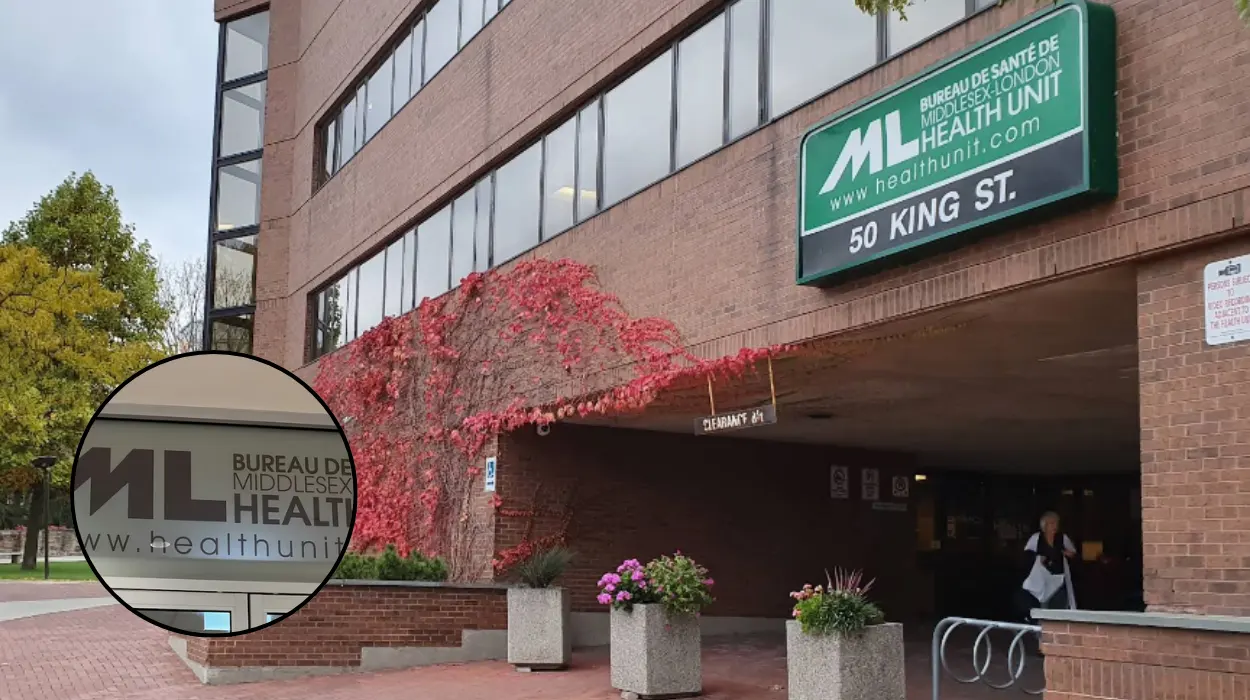
London (Britain Today News) March 6, 2026 – The Middlesex-London Health Unit (MLHU) has taken several of its systems offline following a cybersecurity incident detected on Thursday, rendering regular phone lines and numerous software systems temporarily inaccessible.
- Key Points
- What Triggered the Shutdown of MLHU Systems?
- Who Is Leading the Investigation?
- Has Client Data Been Compromised?
- What Services Remain Available During the Outage?
- Why Was the Incident Reported to Regulators?
- How Does This Fit Broader Cybersecurity Trends?
- What Lies Ahead for MLHU Clients and Staff?
In a news release issued Friday afternoon, MLHU officials confirmed the proactive measures to halt any further unauthorised activity, prioritising the security of sensitive health data amid growing concerns over cyber threats to public institutions.
The health unit promptly notified Ontario’s privacy commissioner and the provincial health ministry, underscoring the seriousness of the breach as investigations continue into its scope and origin.
What Triggered the Shutdown of MLHU Systems?
As reported in the official MLHU news release, the cybersecurity incident came to light on Thursday, prompting an immediate response to isolate affected infrastructure. The decision to shut down phone lines and software systems aimed to contain potential risks, ensuring no escalation of unauthorised access. This swift action reflects standard protocols in cybersecurity responses, where containment precedes full assessment.
MLHU’s statement emphasised that the takedown was precautionary, with no initial evidence of data exfiltration disclosed at the time of reporting. Friday’s release detailed how the incident disrupted routine operations but preserved critical pathways for essential services. Experts note such incidents often involve ransomware or phishing attempts targeting healthcare providers, though specifics remain under wraps pending forensic results.
Who Is Leading the Investigation?
“We are working with leading cybersecurity experts to assist with containment, remediation, and a forensic investigation to determine the nature and scope of the incident,”
said Emily Williams, the health unit’s CEO, as quoted directly in the MLHU news release. Williams highlighted the collaborative effort involving external specialists to dissect the breach’s mechanics.
The CEO further noted that the probe is in its early stages, with a focus on ascertaining any compromise to personal or personal health information. As per Williams’ statement,
“In the event the investigation determines that any personal or personal health information has been impacted, any affected parties will be contacted accordingly.”
This commitment aligns with privacy regulations under Ontario’s framework, mandating timely notifications.
Additionally, Williams reassured stakeholders:
“The team at MLHU is committed to protecting the information in its care and minimising the impact of this incident on clients, community, and staff.”
Her remarks, drawn verbatim from the release, project transparency while urging patience during the ongoing analysis.
Has Client Data Been Compromised?
At present, it is not clear if any client information was accessed, according to the MLHU’s Friday communication. The health unit has refrained from speculating, prioritising empirical findings from the forensic review before public updates. This cautious stance prevents misinformation in a sector where data breaches can erode public trust overnight.
Should personal health information prove affected, MLHU pledges direct outreach to those involved, adhering to legal obligations under the Personal Health Information Protection Act (PHIPA). No ransomware demands or hacker claims have surfaced publicly, distinguishing this from high-profile cases like those plaguing hospitals elsewhere. Privacy commissioner involvement signals rigorous oversight, potentially leading to an independent audit.
What Services Remain Available During the Outage?
The health unit affirmed its dedication to keeping vital health services operational despite the disruptions. “Modified services” are in place, with assurances that
“high-risk public health requests will receive a prompt response,”
per the news release. This includes urgent vaccinations, outbreak reporting, and emergency consultations rerouted through alternative channels.
Clients are advised to monitor MLHU’s website and social media for updates on restored access, as phone lines remain down. Staff are redeployed to handle walk-ins and digital submissions where feasible, minimising community health gaps. Such adaptability has been key in past incidents, ensuring continuity for vulnerable populations reliant on public health support.
Why Was the Incident Reported to Regulators?
MLHU reported the cybersecurity event to Ontario’s privacy commissioner and health ministry as a statutory requirement for potential data exposures. This notification, detailed in Friday’s release, facilitates external scrutiny and resource allocation for broader provincial defences. Regulators can now coordinate with federal agencies like the Canadian Centre for Cyber Security if escalation warrants.
The proactive disclosure exemplifies best practices, contrasting delayed responses in prior breaches that drew fines. By looping in authorities early, MLHU positions itself for collaborative remediation, potentially averting penalties. Williams’ leadership in this transparency bolsters credibility amid public anxiety over digital vulnerabilities in healthcare.
How Does This Fit Broader Cybersecurity Trends?
Healthcare entities like MLHU face escalating cyber risks, with incidents surging amid hybrid work and outdated legacy systems. This event echoes patterns seen in 2025 attacks on Canadian hospitals, where phishing exploited human error. MLHU’s offline strategy mirrors global playbooks from the UK’s NHS disruptions to U.S. ransomware waves.
Forensic experts anticipate ransomware as culprit, given healthcare’s high-value data. Williams’ invocation of “leading cybersecurity experts” suggests engagement with firms like CrowdStrike or Mandiant, though unnamed. The commitment to swift resolution underscores evolving resilience, with lessons likely shared provincially post-mortem.
What Lies Ahead for MLHU Clients and Staff?
Resolution efforts prioritise rapid restoration while safeguarding integrity, as per official channels. Clients should expect phased system reactivations, starting with emergencies, followed by full telephony. Staff training on phishing and multi-factor authentication may intensify post-incident.
Williams reiterated minimal disruption goals, fostering staff morale amid operational strains. Community impact hinges on investigation speed; prolonged outages could delay routine screenings. MLHU’s resolve signals a robust rebound, reinforcing London’s public health backbone.
Broader Implications for Public Health Security
This incident spotlights cybersecurity’s frontline role in public health, where downtime endangers lives. Ontario’s ministry may mandate audits across units, elevating standards. Nationally, it fuels calls for federal funding in cyber defences, akin to post-2025 reforms.
MLHU’s handling sets a benchmark: detect, isolate, notify, restore. Emily Williams’ steady communication mitigates panic, vital for trust. As forensics unfold, transparency will define long-term perceptions, potentially averting class actions if data proves safe.
In parallel coverage, no additional media titles have contradicted MLHU’s account as of March 6, 2026, with the release serving as primary source. This unified narrative aids stakeholder clarity.