Key Points
- The average age of cars on UK roads has reached a record high as the cost of living squeeze keeps drivers holding onto older vehicles for longer.
- Turbochargers are among the parts most likely to fail on higher-mileage diesel and petrol cars, meaning an ageing fleet is generating more turbo failures.
- A new turbo replacement can cost upwards of £3,000, depending on the vehicle, with performance cars fitted with larger or twin turbo units sitting at the top end of that range.
- One in three UK adults has less than £500 in emergency savings, while 81% say they would find it very difficult to live without a car.
- The average UK car repair bill now stands at around £600 a year, with parts prices up 7.3% over the past year and labour rates up more than 20% over four years.
- Reconditioned and remanufactured turbos cost 40 to 50% less than new units, offering a cheaper route back onto the road.
- Essex Turbos, a specialist supplier of remanufactured, reconditioned, new OEM and new turbochargers, says demand for exchange units is rising as more drivers look to avoid dealer prices.
- Industry figures warn that a cheap turbo repair is not always a quality one, with poorly reconditioned units at risk of early failure.
Essex (Britain Today News) July 22, 2026 — Millions of motorists are keeping their cars for longer as household budgets remain under strain, a shift that is feeding through directly into the market for replacement turbochargers. The average age of a car on UK roads has climbed to a record high, according to industry data, as drivers put off buying newer vehicles in favour of repairing the ones they already own. That trend is now colliding with a mechanical reality: turbochargers are one of the components most likely to fail as diesel and petrol cars rack up higher mileages, and an ageing fleet means more of those failures are working their way through garages and driveways across the country.
- Key Points
- What Is Driving the Rise in the Average Age of UK Cars?
- Why Are Turbochargers Failing More Often on Older Vehicles?
- Why Do Household Savings Make Turbo Repairs So Difficult to Afford?
- What Is a Remanufactured or Reconditioned Turbo?
- Why Is Essex Turbos Positioned to Meet This Demand?
- What Should Drivers Look for When Choosing a Replacement Turbo?
What Is Driving the Rise in the Average Age of UK Cars?
The cost of living squeeze has reshaped the way the country runs its cars. Faced with higher living costs and tighter monthly budgets, many drivers have chosen to repair and retain their existing vehicles rather than take on the cost of a newer replacement. That decision has pushed the average age of cars on UK roads to a record high, with millions of motorists now driving diesels and petrol cars well beyond the mileage or age at which dealers would once have quoted for a like-for-like replacement.
This is not simply a matter of preference. For many households, a car is not a discretionary purchase but a practical necessity for getting to work, running a household and managing day-to-day life. As a spokesperson for Essex Turbos put it:
“The cost of living squeeze has changed how the country runs its cars. Millions of drivers are holding onto older vehicles for longer, and the average age of a car on UK roads has hit a record high.”
Why Are Turbochargers Failing More Often on Older Vehicles?
Older cars simply see more wear, and turbochargers are one of the components that feel the effects most acutely. A turbocharger spins at extremely high speeds and relies on a constant supply of clean oil and precisely balanced components to keep functioning correctly. Over time, and particularly on higher-mileage diesels, that wear takes its toll on bearings, seals and the turbine shaft itself.
According to Essex Turbos, a turbo is a common failure point on higher mileage diesels, so as the fleet ages, more drivers need a replacement. That means the trend of keeping cars for longer is not cost-neutral. It is, in effect, storing up a wave of turbo failures that are now landing on drivers at a time when many can least afford an unexpected repair bill.
How Much Does a New Turbo Replacement Cost UK Drivers?
For a driver whose turbo has failed, the financial reality can be stark. A turbo does not fail quietly, and once it goes, the car often becomes undriveable, forcing a quick decision with real money attached. New turbo replacements can cost upwards of £3,000 depending on the type of car, with performance vehicles fitted with larger or twin turbos sitting at the top of that range.
That figure puts a single component failure on a par with a significant portion of a car’s overall value, particularly for older, higher-mileage vehicles that may be worth only a few thousand pounds themselves. For many drivers, that mismatch between the cost of the part and the value of the car is what forces a hard choice between paying out for a full replacement, scrapping the vehicle, or looking for a more affordable alternative.
Why Do Household Savings Make Turbo Repairs So Difficult to Afford?
The scale of the challenge becomes clearer when set against household finances. One in three adults has less than £500 in emergency savings, a sum that would not come close to covering a new turbo replacement on many vehicles. At the same time, 81% of people say they would find it very difficult to live without a car, underlining just how essential private transport remains for the vast majority of households, particularly outside major cities with limited public transport options.
That combination, a large repair bill against limited savings and a near-total dependence on the car, is what the Essex Turbos spokesperson described as the reason so many drivers look for a quality refurbished turbo rather than a new car.
“One in three adults has less than £500 in emergency savings, yet 81% of people say they would find it very difficult to live without a car. That gap is why so many drivers look for a quality refurbished turbo rather than a new car,”
the spokesperson said.
How Are Overall Car Repair Costs Changing in the UK?
The turbo issue does not sit in isolation. It comes on top of a wider rise in the cost of keeping a car on the road. The average UK car repair bill now sits at around £600 a year, with parts prices up 7.3% in the past year and labour rates up more than 20% over four years. Every category of repair, from routine servicing to major component failures, is now landing on drivers at a higher price than in previous years.
That squeeze on parts and labour costs means drivers are paying more for almost every job carried out on their vehicle, according to Essex Turbos, which makes the question of where they can save without losing quality increasingly important. For many, that search for value is what is now steering them towards the reconditioned and remanufactured turbo market rather than dealer-fitted new parts.
What Is a Remanufactured or Reconditioned Turbo?
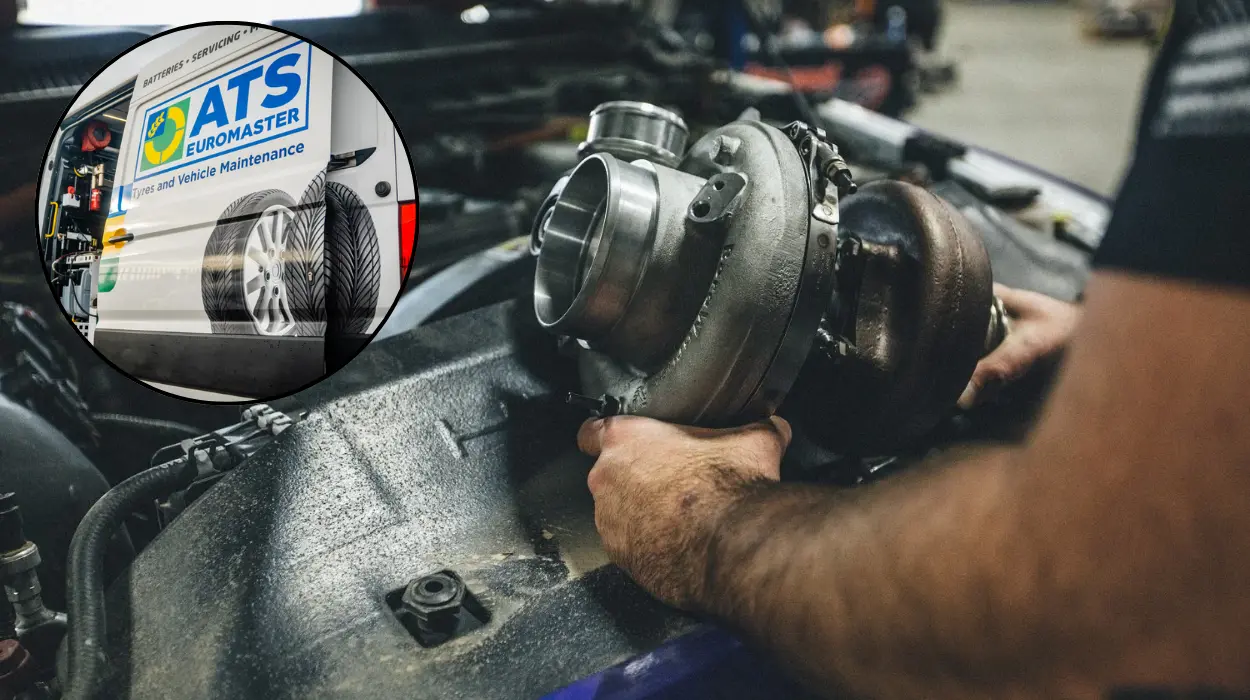
A remanufactured or reconditioned turbo is an exchange unit. The failed turbo is removed from the vehicle and sent back as part of the exchange, while a unit that has already been stripped down, fitted with new bearings, seals and a balanced shaft, and rebuilt to original tolerances is fitted in its place. The process is designed to restore the unit to a standard comparable with a new part, but at a fraction of the cost, since much of the core housing and casting can be reused rather than manufactured from scratch.
This approach is particularly relevant for certain marques. Essex Turbos notes that, especially for Jaguar turbos and Land Rover turbochargers, this route comes in well below the price of a new part, which keeps a driver in a car they know rather than facing the far higher cost of replacing the whole vehicle.
How Much Can Drivers Save With a Reconditioned Turbo?
The financial case for choosing a reconditioned or remanufactured unit over a new one is significant. Reconditioned turbos cost 40 to 50% less than new units and often carry a solid warranty, according to Essex Turbos. For a driver facing a bill that could otherwise run to £3,000 or more, a saving in that range can be the difference between keeping a car on the road and being forced to scrap it or take on new borrowing to replace it.
That saving, combined with a warranty that offers some protection against early failure, is presented by the firm as a way for drivers to get back on the road without compromising on the reliability of the repair, provided the reconditioning work has been carried out to a proper standard.
Explore More about UK:
UK and Florida Pledge $400,000 for Joint Space Research Projects
South London Family’s High Court Bid Fails but ‘Secret’ Housing Criteria Exposed Amid Plans for Appeal
Why Is Essex Turbos Positioned to Meet This Demand?
Essex Turbos describes itself as a specialist supplier of remanufactured, reconditioned, new OEM and new turbochargers, sitting at the point where two significant trends meet: an ageing fleet of vehicles and stretched household finances. The firm argues that more used cars on the road for longer means more turbo failures, and more drivers weighing up how to fix them without clearing out their savings.
As more ageing cars stay on the road, exchange units become, in the company’s view, the practical way for owners, garages and mobile mechanics to keep those vehicles running without a new dealer price tag. That positioning reflects a broader shift in the independent repair sector, where garages and mobile mechanics are increasingly looking to specialist suppliers for parts that match dealer quality at a lower price point, in order to pass on savings to their own customers.
Is a Cheap Turbo Repair Always Good Value?
Industry figures are keen to draw a distinction between a low price and good value, a difference that, according to Essex Turbos, shows up most clearly with turbos. Not every unit marketed as reconditioned or remanufactured has been through the full process of stripping, rebuilding and rebalancing. A superficial clean and a quick reseal might read as a bargain on paper, but such a repair can fail again within months, leaving the driver back where they started, and potentially facing further vehicle downtime and a second repair bill on top of the first.
That warning matters in a market where price sensitivity is high and drivers are actively seeking the cheapest possible route back onto the road. Without a proper rebuild to original tolerances, replacing worn bearings, seals and the balanced shaft, a turbo that looks refurbished on the outside can carry hidden faults that shorten its working life considerably.
What Should Drivers Look for When Choosing a Replacement Turbo?
For drivers weighing up their options, the distinction between a genuinely remanufactured unit and a superficially reconditioned one is central. A proper rebuild involves the turbo being stripped down completely, fitted with new bearings and seals, and rebuilt around a balanced shaft to restore it to original tolerances, rather than simply being cleaned and resealed. A solid warranty, of the kind typically offered alongside reconditioned units, provides some reassurance that the supplier stands behind the quality of the rebuild.
With the average age of UK cars at a record high and turbo failures becoming more common as a result, the market for replacement units looks set to remain under pressure for some time. Against a backdrop of thin household savings and rising repair costs across the board, drivers, garages and mobile mechanics alike are likely to continue weighing the balance between price and quality closely when a turbo fails and a decision has to be made quickly.