
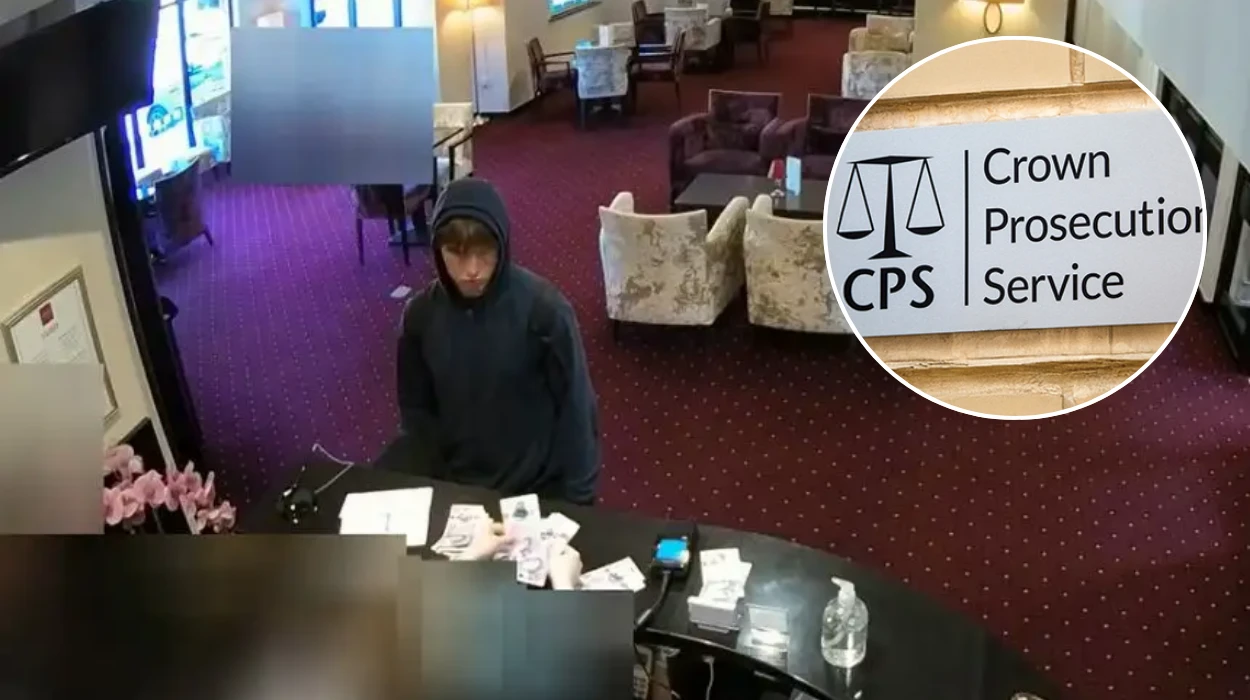
Key Points
- Johannes Kongsnes Natland, a 19-year-old Norwegian national, has been convicted at London’s Central Criminal Court of conspiracy to murder.
- Natland travelled to the United Kingdom to carry out a contract killing on behalf of an international criminal organisation with links to Iran.
- The Crown Prosecution Service (CPS) said Natland agreed to shoot an unidentified target for €25,000.
- He was arrested just two days after arriving in the UK, at a hotel in Huddersfield, in possession of two firearms and ammunition.
- A jury reached its guilty verdict after more than 17 hours of deliberation.
- Natland was working part-time in a pizzeria at the time of his arrest.
- He was recruited by the Foxtrot Network, a Swedish organised crime group with alleged ties to the Iranian government.
- The intended victim of the plot has never been identified.
- Natland was recruited by a 17-year-old known as “Generalen”, already convicted in Norway and sentenced to 14 years’ imprisonment.
- A 16-year-old remains awaiting trial in Norway in connection with the same conspiracy.
- The British government previously sanctioned the Foxtrot Network and its leader over violence against Jewish and Israeli targets in Europe.
- CPS prosecutor Frank Ferguson described the case as a “money-for-murder” plot.
London (Britain Today News) July 29, 2026 – Johannes Kongsnes Natland, 19, from Norway, was convicted at the Central Criminal Court in London of conspiracy to murder, following a trial that heard how he had agreed to shoot an unidentified target in exchange for €25,000. The Crown Prosecution Service said Natland travelled to the UK in March last year to carry out the killing on behalf of the Foxtrot Network, a Swedish organised crime group that British authorities have linked to the Iranian regime. He was arrested by armed specialist officers at a hotel in Huddersfield, in the north of England, just two days after his arrival, with two firearms and ammunition in his possession.
- Key Points
- What Did Natland Agree to Do in the United Kingdom?
- What Did the Jury Decide and How Long Did Deliberations Take?
- What Is the Foxtrot Network and What Are Its Alleged Links to Iran?
- What Did Natland Tell His Girlfriend Before Travelling to the UK?
- What Messages and Images Did Natland Send After Collecting the Weapons?
- How Has the British Government Responded to the Foxtrot Network Previously?
- What Has the Crown Prosecution Service Said About the Case?
- Why Does This Case Highlight Concerns About the Recruitment of Young People?
- What Happens Next in the Case?
What Did Natland Agree to Do in the United Kingdom?
According to the Crown Prosecution Service, Natland agreed to travel to the UK and shoot an unknown individual on behalf of the criminal network for a fee of €25,000. The identity of the intended target has never been established, but prosecutors said the evidence gathered by investigators left no doubt as to Natland’s understanding of what he had been asked to do.
As reported by the Crown Prosecution Service of the United Kingdom,
“Although the target of the criminal murder plot was never identified, London counter-terrorism officers found substantial evidence that Natland fully understood that he was being asked to kill someone in the United Kingdom.”
How and Where Was Natland Arrested?
Natland was arrested at a hotel in Huddersfield, West Yorkshire, on 19 March 2025, having arrived in the UK only two days earlier. He was found in possession of two firearms and ammunition at the time of his arrest, which was carried out by armed specialist police officers.
The Crown Prosecution Service confirmed the circumstances of the arrest, stating that
“he was arrested by specialist officers armed with weapons in his hotel room on 19 March 2025.”
What Did the Jury Decide and How Long Did Deliberations Take?
A jury at the Central Criminal Court in London — commonly known as the Old Bailey — considered the evidence against Natland before returning a guilty verdict on the charge of conspiracy to murder. The jury’s deliberations lasted more than 17 hours before the verdict was delivered, reflecting the complexity of the case and the international dimensions of the alleged plot.
Who Recruited Natland Into the Plot?
Natland was recruited by a 17-year-old individual known by the alias “Generalen.” That teenager was subsequently convicted in a Norwegian court of attempting to facilitate murder and was sentenced to 14 years’ imprisonment. The recruitment of Natland, who was working part-time in a pizzeria at the time, has raised concerns among law enforcement officials about the use of young people, including minors, by organised crime networks to carry out serious violence.
What Is the Foxtrot Network and What Are Its Alleged Links to Iran?
The Foxtrot Network is a Swedish organised crime group that London counter-terrorism officers say has links to the Iranian government. British authorities allege the network has been used as a vehicle for violence, including against Jewish and Israeli targets in Europe, allegedly at the behest of the Iranian regime. The Crown Prosecution Service said Natland was recruited into this network before being tasked with carrying out the killing in the UK.
Is a Second Teenager Facing Charges in Norway?
Yes. In addition to “Generalen,” a 16-year-old is also awaiting trial in Norway in connection with involvement in the same conspiracy. Norwegian authorities are pursuing separate proceedings against this individual, whose case remains ongoing and separate from Natland’s conviction in London.
What Did Natland Tell His Girlfriend Before Travelling to the UK?
British prosecutors said Natland informed his girlfriend that he was setting off on what he described as a “crazy mission” shortly before he travelled to the United Kingdom to carry out the plot. This message, along with further communications sent after his arrival, formed part of the evidence presented to the jury during the trial.
What Messages and Images Did Natland Send After Collecting the Weapons?
According to the prosecution, once Natland had collected the firearms in the UK, he sent his girlfriend a message reading “in the bag – bang.” He also posted a selfie showing himself with one of the weapons, captioned “this will happen soon.”
As reported by the Crown Prosecution Service of the United Kingdom, prosecutors told the court that
“after the weapons were collected, the prosecution said he sent her a message ‘in the bag – bang’ and posted a selfie with the weapon, captioned ‘this will happen soon.'”
These communications were presented as key evidence demonstrating Natland’s intent and his awareness of the seriousness of the task he had undertaken.
How Has the British Government Responded to the Foxtrot Network Previously?
In the year prior to Natland’s conviction, the British government announced sanctions against the Foxtrot Network and its leader. These sanctions were imposed in response to the network’s alleged involvement in violence directed at Jewish and Israeli targets across Europe, carried out on behalf of the Iranian regime. The measures include the freezing of assets linked to the organisation and a prohibition on British companies handling funds or other financial assets controlled by the network.
Explore More about Crime:
Albanian Crime Duo Jailed Over Cocaine and Semi-Automatic Handgun Haul
England Launches Drowning Prevention Strategy Amid Death Surge
What Has the Crown Prosecution Service Said About the Case?
Frank Ferguson, head of the CPS’s Special Crimes and Counter-Terrorism Division, described the plot in stark terms. As reported by the Crown Prosecution Service of the United Kingdom, Ferguson said the plan was a “money-for-murder” plot.
Ferguson went further in outlining the broader implications of the case, stating:
“This case shows how organised crime networks operate across borders and use young people to carry out serious violence.”
Why Does This Case Highlight Concerns About the Recruitment of Young People?
Law enforcement officials have pointed to the case as evidence of a troubling trend in which organised crime networks target young people, including minors, to carry out acts of serious violence in exchange for financial reward. Natland was only 19 at the time of his arrest, while his recruiter was 17, and a further individual connected to the conspiracy is just 16. Officials say this underscores the global and increasingly youth-driven nature of modern organised crime, particularly where such networks are allegedly being used as proxies for state-linked violence.
What Happens Next in the Case?
Following the jury’s verdict, Natland now awaits sentencing for the offence of conspiracy to murder. Meanwhile, proceedings against the 16-year-old awaiting trial in Norway remain ongoing, and further details regarding sentencing dates and any additional charges are expected to emerge as the case progresses through the respective legal systems in both the United Kingdom and Norway.
The conviction of Johannes Kongsnes Natland marks a significant moment in the ongoing effort by British authorities to combat the cross-border activities of organised crime networks allegedly acting on behalf of foreign states. The case, which involved a teenager recruited into a plot to kill an unidentified target for a five-figure sum, has drawn attention to the increasing use of young people — some still minors — in the execution of serious and violent crimes. With sentencing still to come for Natland, and further proceedings expected in Norway, the case is likely to remain under close scrutiny from both British and Norwegian authorities as they continue to examine the full extent of the Foxtrot Network’s activities and its alleged links to the Iranian government.