Key Points
- A national drowning prevention strategy has been launched in England to tackle what experts describe as a “public health disaster”.
- The initiative comes hours after the deaths of a woman and her teenage daughter off West Mersea beach in Essex.
- At least 35 drowning deaths have been recorded since May 2026, including eight in July, amid rising temperatures and repeated heatwaves.
- Authorities plan to introduce water safety education and swimming lessons for every child in England.
- The strategy also explores the impact of climate change on water-related risks.
- Public awareness campaigns will aim to educate bystanders on how to respond during drowning incidents.
- Professor Mike Tipton of Water Safety England warned drowning claims more lives than fire, flooding, or knife crime.
- Vanessa Abbess, whose son Joe died in 2023, urged the public to avoid complacency around open water dangers.
- Data shows 2,306 water-related deaths occurred in England between 2019 and 2023, with young men most affected.
- TikTok has pledged over £400,000 in advertising credits to support water safety campaigns.
London (Britain Today News) July 23, 2026 – England has unveiled a nationwide strategy aimed at tackling what experts describe as a growing “public health disaster”, following a surge in drowning incidents that have claimed dozens of lives in recent months. The announcement, made in Canary Wharf, east London, comes just hours after two fatalities were reported off the Essex coast, underscoring the urgency of the crisis.
- Key Points
- What is the new drowning prevention strategy in England?
- Why has drowning been described as a public health disaster?
- How has the recent surge in drowning deaths unfolded?
- What happened in the Essex beach tragedy?
- How will education help prevent drowning incidents?
- What role does climate change play in water safety risks?
- How are awareness campaigns being expanded?
- What did Vanessa Abbess say about open water dangers?
- What happened in the Bournemouth tragedy involving Joe Abbess?
- How has drowning affected families and communities?
- What role is government and parliament playing?
- How will bystanders be trained to respond to drowning incidents?
- What happens next in the fight against drowning?
What is the new drowning prevention strategy in England?
The newly launched strategy represents a coordinated national effort to reduce water-related fatalities through education, awareness, and prevention measures. It aims to address systemic gaps in public understanding of water safety and improve preparedness among both individuals and communities.
As reported by Prof Mike Tipton, chair of Water Safety England, the initiative seeks to “eradicate the scourge of drowning”. He stated:
“Drowning is an ongoing public health disaster that, despite claiming more lives than fire, flooding, or knife crime, often stays below the radar.”
The strategy outlines a multi-layered approach that combines education, research, and public engagement. Authorities believe that without a unified framework, the number of preventable deaths will continue to rise, particularly during warmer months.
Why has drowning been described as a public health disaster?
Drowning has increasingly been framed as a major yet under-recognised public health issue in England. Despite its significant death toll, it often lacks the visibility and urgency associated with other causes such as violent crime or natural disasters.
According to available data, between 2019 and 2023, England recorded 2,306 water-related deaths. Of these, 42% were classified as accidental. The statistics also reveal clear demographic trends, with 80% of victims being male, most commonly aged between 20 and 29.
Prof Tipton emphasised that the scale of the issue is not reflected in public discourse, noting that the lack of awareness contributes to preventable fatalities.
How has the recent surge in drowning deaths unfolded?
The summer of 2026 has seen a noticeable increase in drowning incidents, coinciding with prolonged periods of hot weather. The UK has experienced three near-consecutive heatwaves, drawing more people to beaches, rivers, and lakes.
A study by the London School of Hygiene & Tropical Medicine found that at least 35 drowning deaths have occurred since May, with eight recorded in July alone. These figures highlight a seasonal pattern, with 39% of water-related deaths historically occurring during summer.
The most recent tragedy involved a woman and her teenage daughter who died off the coast of West Mersea in Essex. Police reported that multiple individuals encountered difficulties in the water near Seaview Avenue.
What happened in the Essex beach tragedy?
The Essex incident has brought renewed attention to the dangers of open water environments. Emergency services were called after reports that several people were struggling in the sea.
Authorities confirmed that a woman and her teenage daughter lost their lives in the incident. While investigations are ongoing, early reports suggest that changing water conditions may have played a role.
This incident has intensified calls for immediate action and reinforced the importance of public awareness campaigns, particularly during peak summer periods.
How will education help prevent drowning incidents?
A central pillar of the new strategy is the introduction of universal water safety education for children. Officials are considering making swimming lessons and safety training accessible to every child in England.
The aim is not only to teach swimming skills but also to build awareness of environmental hazards such as rip currents, cold water shock, and sudden weather changes.
Experts argue that traditional swimming ability is insufficient in open water scenarios. Education programmes will therefore focus on risk assessment, survival techniques, and emergency response.
What role does climate change play in water safety risks?
The strategy also acknowledges the growing influence of climate change on water-related dangers. Rising temperatures are leading to increased recreational use of open water, while unpredictable weather patterns can create hazardous conditions.
Warmer summers may encourage more people to swim in unsupervised locations, where risks are higher. Additionally, extreme weather events can alter water currents and visibility, increasing the likelihood of accidents.
Authorities are expected to commission further research to better understand these dynamics and inform future policy decisions.
How are awareness campaigns being expanded?
Public awareness is a key component of the strategy, with campaigns designed to reach diverse audiences, particularly young people.
TikTok has contributed more than £400,000 in advertising credits to support campaigns led by the Royal National Lifeboat Institution and the Royal Life Saving Society. These initiatives aim to deliver safety messages through platforms frequently used by younger demographics.
The campaigns will also educate bystanders on how to respond effectively during drowning incidents, emphasising that immediate and informed action can save lives.
What did Vanessa Abbess say about open water dangers?
Vanessa Abbess, whose 17-year-old son Joe died in 2023, has become a prominent advocate for water safety awareness. Her testimony highlights the unpredictable nature of open water conditions.
She warned:
“As a society, there’s an element of naivety and complacency regarding the dangers of open water swimming.”
Abbess added:
“It’s not enough to know how to swim in a warm pool if you don’t know what to do to help your chances of survival if conditions change or you find yourself in difficulty in open water. The risk needs to be assessed. You need to stop and think. You wouldn’t cross a road without thinking.”
Her comments underscore the need for behavioural change alongside policy interventions.
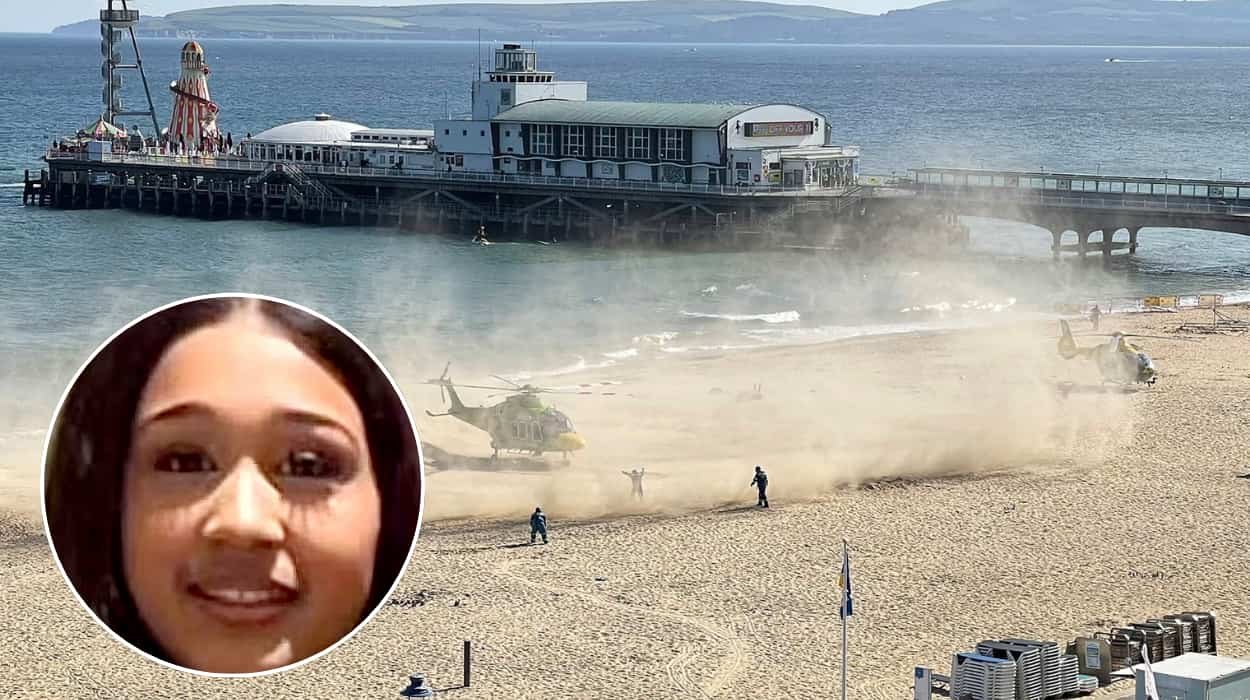
What happened in the Bournemouth tragedy involving Joe Abbess?
Joe Abbess died after encountering difficulties while swimming off Bournemouth beach in May 2023. He was accompanied by 12-year-old Sunnah Khan, who also lost her life after being caught in a rip current.
Abbess explained that her son was a confident swimmer and had been acting responsibly at the time. She said:
“Joe was swimming between the lifeguard flags when the sea conditions suddenly changed and a ferocious rip current hit which swept them off their feet.”
He was recovered from the water 32 minutes later but could not be saved.
Abbess reflected on the lasting impact of the tragedy:
“The reality and permanence of Joe’s death is still very difficult to process.”
How has drowning affected families and communities?
The emotional toll of drowning incidents extends far beyond the immediate victims, affecting families and communities in profound ways.
Abbess described her ongoing grief, stating:
“With a lot of therapy, I cope, but I’m not the person I used to be. I’m anxious, very traumatised, and carry the pain of grief constantly.”
She added:
“The sound of waves causes me anxiety. The sunny days are particularly triggering.”
Her experience illustrates the long-term psychological impact of such tragedies and the importance of preventive measures.
What role is government and parliament playing?
Political support has been instrumental in advancing the national strategy. Darren Paffey, MP for Southampton Itchen and chair of the all-party parliamentary group for water safety education, emphasised the significance of the initiative.
He stated:
“Today is a really important milestone but it’s also the start line in some ways. The hard work now begins to turn this strategy into sustained generational change in memory of everyone who has tragically lost their life to drowning.”
Government agencies, including the UK Health Security Agency, are also involved in promoting safety guidance, particularly during school holidays.
Explore More about Crime:
Five Men Admit Smuggling £34M Cocaine Through Eastbourne Marina
UK Court Jails Young Hackers Over London Transport Cyberattack
How will bystanders be trained to respond to drowning incidents?
One of the less-discussed aspects of drowning prevention is the role of bystanders. The strategy aims to equip the public with the knowledge needed to act quickly and safely in emergencies.
Campaigns will focus on recognising the signs of distress, avoiding risky rescue attempts, and contacting emergency services promptly.
Experts stress that informed bystanders can make a critical difference in the crucial moments before professional help arrives.
What happens next in the fight against drowning?
The launch of the strategy marks the beginning of what officials describe as a long-term effort to change public behaviour and reduce fatalities.
Implementation will involve collaboration between government bodies, charities, educational institutions, and private sector partners. Monitoring and evaluation will be key to assessing the effectiveness of the measures.
With drowning continuing to claim lives across England, authorities face the challenge of translating policy into tangible outcomes that save lives.