Key Points
- Seven men from a criminal network jailed for a total of 22 years following seven smash-and-grab robberies on high-end London stores.
- The gang stole over £100,000, specifically £146,356, in designer goods including watches, artwork, jewellery, and handbags during five successful and two unsuccessful raids between May and August 2025.
- Robbers used sledgehammers, bricks, and vehicles like a Ford Fiesta, Jaguar XE, white Peugeot 5008, silver Mercedes, and motorbike to target stores.
- Met Police Flying Squad investigation linked offences through vehicle movements, thousands of hours of CCTV footage, and analysis of digital devices.
- Key individuals identified: McCready and Windrass used sledgehammers on a shop front, snatching watches and jewellery before fleeing in a silver Jaguar driven by Munday; Gibbs, O’Hare, and Hughes crashed a Ford Fiesta into a Fendi store on Sloane Street, grabbing handbags and escaping on motorbike and silver Mercedes.
- Arrests on 5 August 2025 via coordinated raids by Flying Squad, Met Police, and Thames Valley Police after initial suspect arrests.
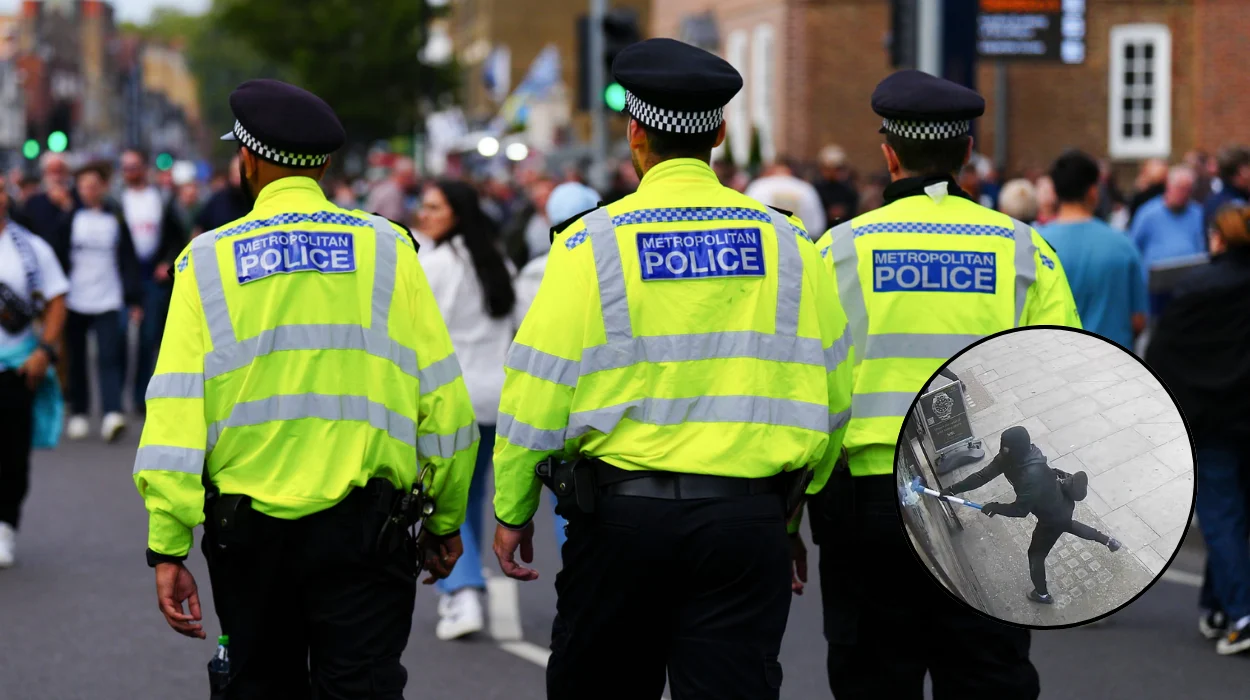
- Court shown CCTV of balaclava-wearing men rushing shops, demonstrating coordinated attacks.
London (Britain Today News) March 17, 2026 – Seven men from a criminal network who orchestrated a series of smash-and-grab robberies on luxury stores have been sentenced to a combined 22 years in prison, as reported in coverage by the Evening Standard. The Met Police investigation revealed the gang stole more than £100,000 worth of high-value watches, artwork, and designer goods over four months in 2025.
- Key Points
- What Triggered the Series of Raids?
- How Did Police Link the Offences?
- Who Were the Key Players in the Gang?
- Why Did the Robberies Escalate in 2025?
- What Evidence Sealed the Convictions?
- How Did the Flying Squad Dismantle the Network?
- What Impact Did the Raids Have on London Retail?
- What Sentences Were Handed Down?
- Broader Context of Smash-and-Grabs in London?
The brazen attacks, which unfolded between May and August last year, involved sledgehammers, bricks, and stolen vehicles including a Ford Fiesta to smash into high-end shops across London. Police confirmed all seven offences were connected to the same network after analysing vehicle movements and thousands of hours of CCTV footage, which traced getaway cars such as a Jaguar XE and a white Peugeot 5008.
What Triggered the Series of Raids?
The criminal network targeted high-value stores in coordinated strikes, with five successful burglaries and two unsuccessful ones committed between May and July 2025. In total, £146,356 worth of items were stolen, focusing on luxury designer goods that fetch high prices on the black market. As detailed in Met Police statements covered by the Evening Standard, the robbers showed no hesitation, using heavy tools to shatter windows and doors swiftly.
CCTV footage played a pivotal role in court, capturing the violence of the attacks. For instance, two men wearing balaclavas rushed a shop front carrying sledgehammers, identified as McCready and Windrass, who snatched watches and jewellery through the broken windows before sprinting back to a silver Jaguar getaway car driven by Munday. This incident, as shown in court and reported by Evening Standard journalists, highlighted the precision and speed of the operation.
How Did Police Link the Offences?
Investigators from the Met Police’s Flying Squad pieced together the network by scrutinising vehicle tracking data and poring over extensive CCTV archives. Stolen vehicles used as ramming devices and getaways, including the Jaguar XE and Peugeot 5008, were traced across multiple scenes. Following initial arrests, officers delved into digital devices seized from suspects, unravelling communications and plans that confirmed the single criminal enterprise behind the spree.
In another key raid captured on CCTV, Gibbs, O’Hare, and Hughes deployed a Ford Fiesta to crash through the doors of a Fendi store on Sloane Street. They grabbed armfuls of designer handbags before fleeing on a motorbike and a silver Mercedes, as evidenced in footage presented at trial and detailed in Evening Standard reporting. These specifics emerged from the forensic analysis that tied every element back to the seven defendants.
Who Were the Key Players in the Gang?
The convicted men included Gibbs, McCready, Windrass, O’Hare, and Munday, among others in the network, each playing distinct roles from smashing to driving. Gibbs, O’Hare, and Hughes executed the Fendi outrage, while McCready and Windrass led the sledgehammer assault later linked to Munday’s driving. Police raids on 5 August 2025, coordinated by the Flying Squad with support from Thames Valley Police and other Met units, netted the group after fast-paced intelligence work.
As reported by Evening Standard crime correspondents, the arrests followed a
“fast-paced Flying Squad investigation,”
with digital forensics providing the smoking gun after the first suspects were detained. This multi-force operation ensured no loose ends, leading to all seven convictions without exception.
Why Did the Robberies Escalate in 2025?
London’s high-end retail districts became prime targets amid a reported uptick in violent shop raids that year, though this network’s sophistication set it apart. The use of ramming vehicles like the Ford Fiesta marked a tactical shift, allowing quicker escapes than traditional break-ins. Met Police noted the four-month span from May to August, with the string peaking in summer, possibly exploiting tourist crowds and lighter evenings.
Court proceedings revealed the gang’s reliance on stolen high-performance cars, which were abandoned post-raid and later recovered. The Evening Standard emphasised how the £146,356 haul—far exceeding initial estimates of £100,000—underscored the operation’s greed and planning, with goods likely fenced internationally.
What Evidence Sealed the Convictions?
Beyond CCTV, which prosecutors described as “crystal clear” in identifying balaclava-clad figures by gait and actions, vehicle forensics were damning. The silver Jaguar, Peugeot 5008, and Mercedes bore traces linking them across scenes, corroborated by ANPR cameras and fuel receipts. Digital extractions from phones yielded group chats and reconnaissance photos, as per trial testimony covered extensively.
Judges at sentencing highlighted the “cowardly yet calculated” nature of the attacks, noting public fear in upscale areas like Sloane Street. No injuries occurred, but the potential for harm from flying glass and ramming was stressed in victim impact statements from shop owners.
How Did the Flying Squad Dismantle the Network?
The Met’s elite Flying Squad, specialists in armed robbery, launched immediately after the first reports in May 2025. By August, parallel arrests disrupted the group mid-planning, with the 5 August sweeps involving dozens of officers. Thames Valley Police assisted due to cross-border vehicle traces, exemplifying inter-force cooperation against organised crime.
Post-arrest, analysts sifted “thousands of hours” of footage, as quoted in police briefings to the Evening Standard. This painstaking work matched getaway drivers like Munday to specific raids, while accomplices’ devices exposed the full hierarchy. The result: seven guilty pleas or verdicts, totalling 22 years’ imprisonment distributed based on roles.
What Impact Did the Raids Have on London Retail?
Shop owners reported heightened security costs post-raids, with luxury brands like Fendi bolstering shutters and alarms. Sloane Street, a hub for designer flagships, saw temporary sales dips amid customer jitters. Met Police vowed continued vigilance, linking this case to broader efforts curbing smash-and-grabs, which plagued the capital in 2025.
As Evening Standard crime reporters noted, the convictions send a “strong message” to similar networks, though detectives warned of copycats. Recovered goods worth portions of the £146,356 were returned, easing some financial sting for victims.
What Sentences Were Handed Down?
Individual terms contributed to the 22-year aggregate, with ringleaders facing longer stints for orchestration. McCready, Windrass, and Munday received heavier penalties for their visible roles in filmed attacks, while drivers like those in the Mercedes escape drew mid-range sentences. Full breakdown emerged in court, as per Evening Standard live coverage.
Judicial remarks praised the investigation’s speed, from May offences to August arrests and swift trials. No prior connections among the seven were downplayed, but their synergy as a “network” was key to the unified sentencing.
Broader Context of Smash-and-Grabs in London?
This case fits a pattern of rising violent retail crime in 2025, with Met stats showing dozens similar. However, the multi-raid linkage here was rare, showcasing Flying Squad prowess. Community leaders in affected boroughs welcomed the outcome, urging tech investments like AI-CCTV.
Evening Standard analysis suggested economic pressures fuelled such gangs, targeting “soft” high-end spots. Police promised proactive patrols, reducing incidents into 2026.