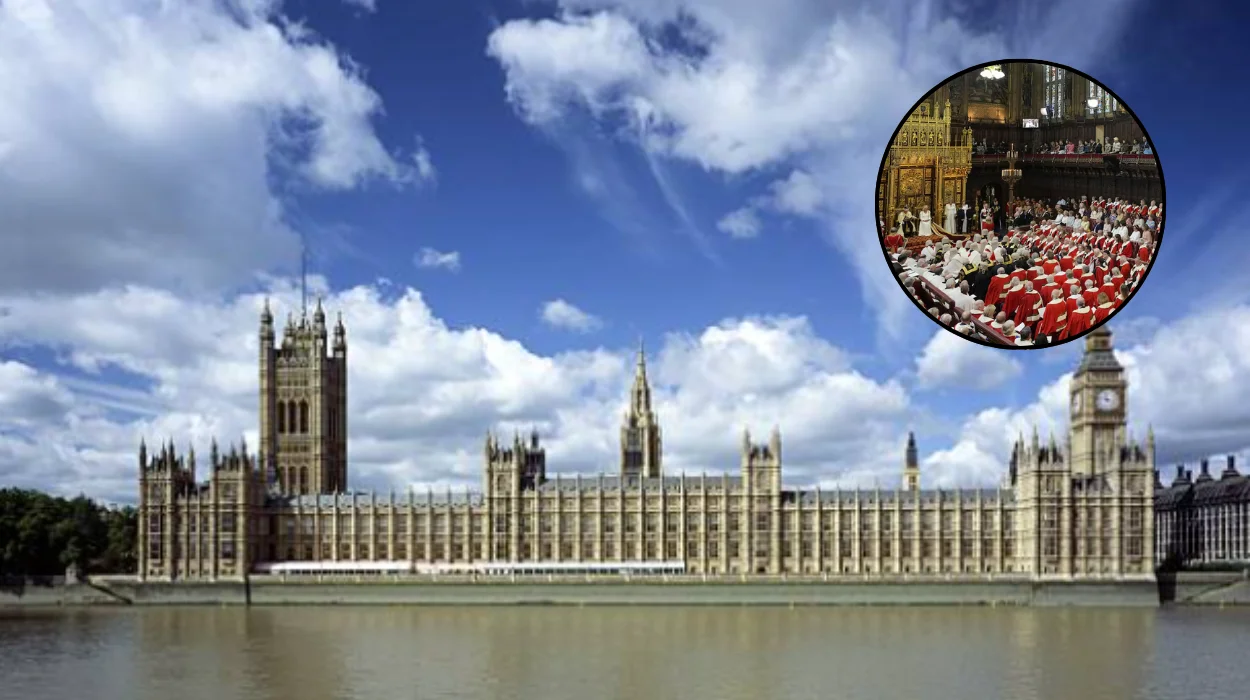
Key Points
- Parliament has voted to remove the remaining 92 hereditary peers from the House of Lords, ending a 700-year tradition.
- The House of Lords (Hereditary Peers) Bill passed its final stage on Tuesday evening, 10 March 2026, after Lords dropped objections to Commons legislation.
- Hereditary peers, including dukes, earls, and viscounts, will leave at the end of the current parliamentary session in spring, likely May 2026.
- Government minister Nick Thomas-Symonds called it an end to an “archaic and undemocratic principle,” stating Parliament should recognise talent and merit, not old boys’ networks or ancient titles.
- A compromise allows some hereditary peers to stay as life peers; Labour offered additional life peerages to Conservatives (possibly 15) and crossbenchers, with nominations decided by opposition leaders.
- Leader of the House of Lords, Baroness Smith of Basildon, said no one should sit by inherited title, marking a major step towards further reforms including retirement rules.
- Conservative leader in the Lords, Lord Nicholas True (also known as Lord True), acknowledged the end of hereditary service after over seven centuries, praising thousands of peers for faithful service and law improvements despite flaws.
- The Lords has over 800 members, the world’s second-largest legislative chamber after China’s National People’s Congress; hereditary peers are about 1 in 10.
- Historical context: 1999 House of Lords Act under Tony Blair removed most of 750 hereditaries, retaining 92 temporarily; Keir Starmer’s Labour government completes this 25 years later.
- Case of Peter Mandelson, who resigned from Lords in February 2026 over friendship with Jeffrey Epstein, highlighted issues with peers’ conduct.
- Labour committed to wider Lords reform for better representation, but change expected slowly; only UK and Lesotho’s Senate had hereditary elements.
- Bill awaits royal assent from King Charles III, a formality, before becoming law.
London (Britain Today News) March 11, 2026 – The House of Lords has passed the Hereditary Peers Bill, ejecting the remaining hereditary aristocrats after 700 years of tradition, as reported across multiple outlets including GOV.UK, BBC News, and AP News.
This landmark vote on Tuesday evening ends the right of around 92 dukes, earls, viscounts, and other nobles to sit and vote by birthright alone. Government minister for the Cabinet Office, Nick Thomas-Symonds, hailed the change as fulfilling a key Labour manifesto pledge, declaring it puts an end to
“an archaic and undemocratic principle.”
He emphasised:
“Our parliament should always be a place where talents are recognised and merit counts. It should never be a gallery of old boys’ networks, nor a place where titles, many of which were handed out centuries ago, hold power over the will of the people.”
What Triggered the Final Passage of the Bill?
The upper chamber dropped its objections following a compromise struck between Labour and opposition parties. As detailed by BBC News reporters, ministers offered additional life peerages to the Conservative Party—potentially 15—and crossbench independents, allowing some hereditaries to be “recycled” via nominations. Lord True, Conservative leader in the Lords, confirmed his party would no longer oppose, noting the need to end “endless parliamentary ping-pong” despite difficulties for some members.
Baroness Smith of Basildon, Leader of the House of Lords, stated in the official GOV.UK release:
“The Lords plays a vital role within our bicameral Parliament, but nobody should sit in the House by virtue of an inherited title. That is why the government committed to removing the remaining hereditary peerages, completing the reforms that were started over a quarter of a century ago.”
This deal ensured the bill’s swift passage, with royal assent from King Charles III expected as a formality.
When Will Hereditary Peers Leave the Lords?
Hereditary peers will depart at the session’s end this spring, projected for May 2026, ahead of the next King’s Speech. The NZ Herald reported:
“British hereditary peers will no longer be able to sit and vote in the House of Lords after a Bill to remove them cleared Parliament today.”
Currently, these 92 “excepted” peers—retained since 1999—include various titles like dukes and earls.
The Telegraph noted Labour
“struck a deal with rebels in the upper chamber,”
confirming most hereditaries will exit, though some may return as life peers. Wikipedia’s entry on the bill confirms passage on 10 March 2026, abolishing their reserved seats.
How Many Hereditary Peers Are Affected?
Precisely 92 seats reserved for hereditaries since the 1999 Act will vanish. AP News described it as displacing
“dozens of dukes, earls and viscounts who inherited their parliamentary seats alongside their noble titles.”
Why Was the House of Lords Targeted for Reform?
Critics long deemed the Lords unwieldy and undemocratic, with over 800 members making it the second-largest chamber globally. For 700 years, membership comprised noblemen (rarely women) inheriting seats, plus bishops as Lords Spiritual. Life peers—retired politicians and notables appointed by government—now dominate, but hereditaries lingered as 1 in 10.
The 1999 Labour government under Tony Blair evicted most of 750 hereditaries, sparing 92 temporarily to avert rebellion, as per Wikipedia. Prime Minister Keir Starmer’s administration revived the push, aligning the UK with modern democracies—only Lesotho’s Senate shared this hereditary trait.
What Role Did Scandals Play?
Peter Mandelson’s February 2026 resignation spotlighted misconduct issues. As reported by Al Jazeera, the former peer quit amid scrutiny over ties to Jeffrey Epstein, with House of Lords Speaker Michael Forsyth announcing the move effective immediately. This case, covered by 1News, renewed calls for accountability in the upper house.
What Do Opponents Say About the Change?
Lord True reflected solemnly:
“So, here we are at the end of well over seven centuries of service by hereditary peers in this Parliament. Many thousands of peers served their nation here, and thousands of improvements to law were made. It wasn’t all a stereotypical history of reaction in ermine. Many of those people, no doubt, were flawed, but for the most part, they served their nation faithfully and well.”
The Week highlighted Labour’s broader agenda for regional balance and quality appointments, though reform moves slowly. Thomas-Symonds clarified it’s no judgment on individuals, as hereditaries can seek life peerages.
What Comes Next for Lords Reform?
Labour eyes replacing the Lords with a more representative chamber, plus retirement mandates and participation rules. Baroness Smith noted:
“Getting this bill through is a major first step towards reform of the Lords, with further changes to follow.”
A Lords committee reports by July 2026 on proposals. Past delays suggest gradual progress under PM Starmer.
The chamber’s scrutiny role persists, but without birthright voting. Electoral Reform Society advocates capping at 600, still larger than the 650-seat Commons.
This reform cements merit over lineage in British democracy, closing a medieval chapter amid modern scrutiny.