Key Points
- Middlesex London Health Unit (MLHU) experienced a cybersecurity incident detected on Thursday, prompting shutdown of affected systems on Friday.
- Systems taken offline include regular phone lines and many software systems; incident reported to Ontario’s privacy commissioner and health ministry.
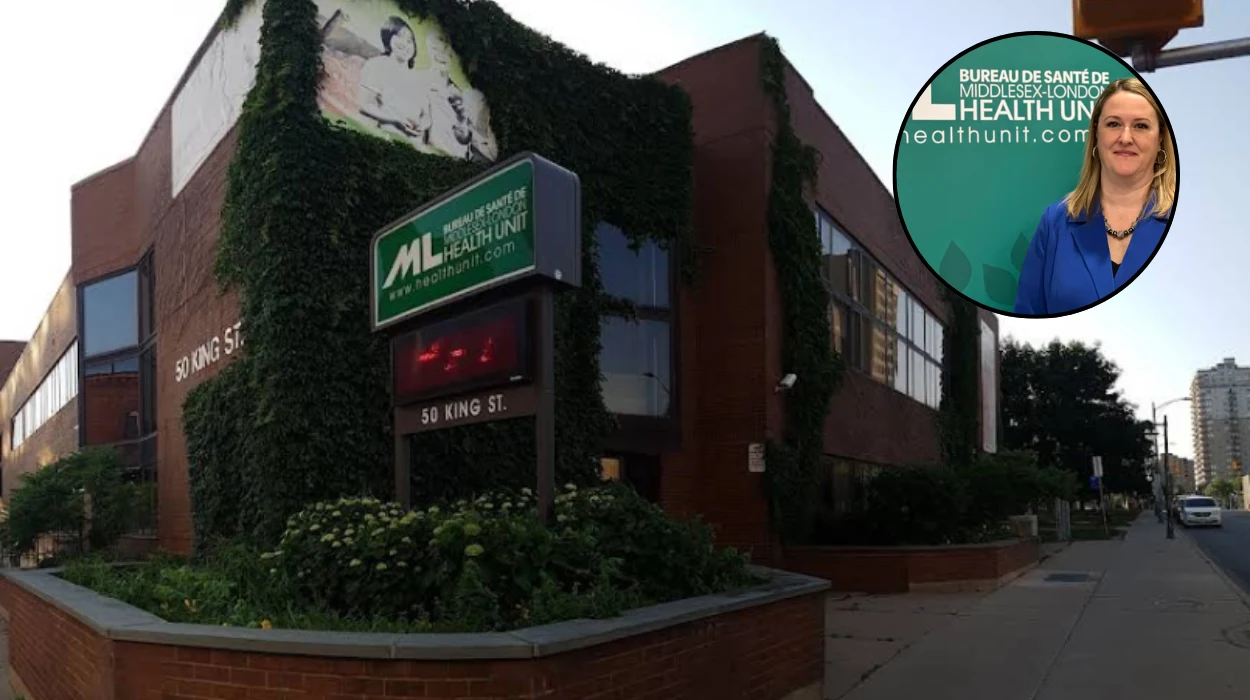
- CEO Emily Williams addressed the issue at a Monday media briefing, stating investigation underway with cyber experts, law enforcement, and agencies.
- Unclear if patient data compromised; thorough review ongoing, with notifications planned if personal data impacted.
- Several computer and phone systems restored over the weekend, but not all software operational yet.
- MLHU collaborating with CFC Response, Norton Rose Fulbright cyber experts, and external legal counsel.
- Williams declined to confirm if ransomware involved due to investigation sensitivity; no cost estimates provided yet.
- Expert Aleksander Essex from Western University highlights “asymmetrical disadvantage” for smaller public organizations like health units against skilled hackers.
- Forensic investigations can cost hundreds of thousands; smaller entities lack federal-level cyber sophistication.
- Williams emphasised MLHU’s serious role as stewards of sensitive information and commitment to restoring services.
London (Britain Today News) March 9, 2026 – Officials at the Middlesex London Health Unit (MLHU) continue investigating a cybersecurity incident that disrupted operations, with the CEO revealing limited details amid an ongoing probe into potential data compromise.
- Key Points
- What Triggered the Shutdown at MLHU?
- Who Is Assisting in the MLHU Investigation?
- How Vulnerable Are Local Health Units to Cyber Threats?
- What Services Remain Affected at MLHU?
- When Will the Full Investigation Conclude?
- Why Does This Matter for Public Health in Ontario?
- Broader Implications for Canadian Health Cybersecurity
- Expert Views on Mitigation Costs and Timelines
- Community Response and Next Steps
Emily Williams, MLHU’s CEO, spoke at a media briefing on Monday, offering scant specifics but confirming the health unit’s swift response. As reported in a CBC News article titled ‘Cyber incident’ prompts London’s health unit to shut down phone lines, software systems, the incident forced MLHU to take affected systems offline on Friday after detection a day earlier.
What Triggered the Shutdown at MLHU?
The cybersecurity breach came to light on Thursday, leading MLHU to issue a press release that afternoon announcing the precautionary shutdown. Regular phone lines and numerous software systems went dark, halting normal operations. MLHU promptly notified Ontario’s privacy commissioner and the health ministry, adhering to protocol for such events.
Williams underscored the gravity during her briefing.
“We take our role as stewards of sensitive information very seriously. We know that an event like this one, a cyber security incident is unsettling,”
she said, according to CBC coverage by an unnamed reporter. She added,
“The team is working hand in hand with cyber security experts, law enforcement and other agencies to understand what happened, reduce further risks and restore the services you expect from us.”
Over the weekend, progress emerged as several computer and phone systems returned online. However, Williams noted that not all software systems are fully operational, with restoration efforts continuing.
Who Is Assisting in the MLHU Investigation?
MLHU has enlisted top-tier support. Williams disclosed collaboration with cybersecurity specialists from CFC Response and Norton Rose Fulbright, alongside external legal counsel. This multi-agency approach aims to dissect the incident’s origins and prevent recurrence.
She refrained from labelling the event a ransomware attack, citing the probe’s sensitivity.
“Williams did not say whether the incident was a ransomware attack,”
CBC reported directly from the briefing. Cost projections for the investigation and mitigation remain unavailable, as Williams explained it’s too early in the process.
Patient data integrity hangs in the balance.
“We’re undergoing a thorough review and validation process to identify what if any data was impacted. If our investigation determines that there was any impact to personal data, we will reach out accordingly,”
Williams assured, per the CBC account.
How Vulnerable Are Local Health Units to Cyber Threats?
Experts warn of inherent risks for organisations like MLHU. Aleksander Essex, a software engineering professor at Western University, described an “asymmetrical disadvantage” for smaller public bodies.
“An organization’s vulnerability to cyberattacks depends on its overall cyber setup, but smaller public organizations like health units have an ‘asymmetrical disadvantage’ against highly-skilled hackers,”
Essex told CBC.
He elaborated that local municipal entities lack the cyber sophistication of federal agencies. Forensic probes into such incidents often run into hundreds of thousands of dollars, Essex added, painting a picture of the “uphill battle” these groups face.
“Local services fighting ‘uphill battle,’ says expert,”
the CBC headline echoed.
This vulnerability underscores broader concerns in public health cybersecurity. Health units manage vast troves of sensitive patient information, from vaccination records to personal health data, making them prime targets for cybercriminals seeking financial gain or disruption.
What Services Remain Affected at MLHU?
While some restoration occurred over the weekend, full recovery eludes MLHU. Phone lines partially resumed, but software limitations persist, potentially delaying public services like appointment bookings or health advisories. Williams prioritised service restoration, vowing to mitigate further risks.
The incident’s timing, amid ongoing public health demands, amplifies its impact. MLHU serves Middlesex-London residents with essential programmes, from immunisations to disease surveillance. Disruptions could ripple into community health outcomes if prolonged.
When Will the Full Investigation Conclude?
Williams projected a timeline of weeks to pinpoint the incident’s cause. This extended horizon reflects the complexity of cyber forensics, involving log analysis, threat modelling, and coordination with authorities. MLHU’s transparency—via press releases and briefings—aims to reassure the public.
No evidence of data exfiltration has surfaced yet, but caution prevails. Officials emphasise proactive measures, including system validations, to confirm no breaches occurred.
Why Does This Matter for Public Health in Ontario?
Cyber incidents at health units expose systemic frailties. Smaller organisations juggle tight budgets against escalating threats from state actors or ransomware gangs. Essex’s insights highlight the need for enhanced funding and training.
Ontario’s privacy commissioner now scrutinises the case, potentially informing province-wide protocols. The health ministry’s involvement signals coordinated oversight.
MLHU’s response exemplifies best practices: isolate, report, investigate, restore. Yet, Williams’ unease—“a cyber security incident is unsettling”—resonates with stakeholders bracing for outcomes.
Broader Implications for Canadian Health Cybersecurity
This event mirrors rising attacks on Canadian healthcare. Recent ransomware waves have crippled hospitals, leaking data or demanding ransoms. MLHU’s case, though contained, spotlights the sector’s exposure.
Experts like Essex advocate bolstering defences: regular audits, employee training, multi-factor authentication. Governments eye mandates for minimum standards, but implementation lags.
For residents, it prompts vigilance—safeguard personal data and monitor communications from MLHU. If notifications arrive, prompt action protects privacy.
Expert Views on Mitigation Costs and Timelines
Forensic costs could soar, Essex warned, often exceeding hundreds of thousands. MLHU’s partners—CFC Response for incident response, Norton Rose Fulbright for legal-cyber expertise—signal substantial investment.
Williams’ non-committal stance on expenses reflects fiscal prudence amid uncertainty. Public funds demand accountability, with post-incident reports likely detailing expenditures.
Community Response and Next Steps
Londoners express concern on social media, querying service availability. MLHU urges patience, directing queries to alternate channels where possible.
Upcoming updates promise clarity on data status and resumption timelines. Williams’ team remains steadfast, hand-in-hand with experts.
This cyber skirmish tests MLHU’s resilience, but collaborative resolve offers hope for swift recovery. As investigations unfold, the health unit recommits to safeguarding Londoners’ trust and data.