Key Points
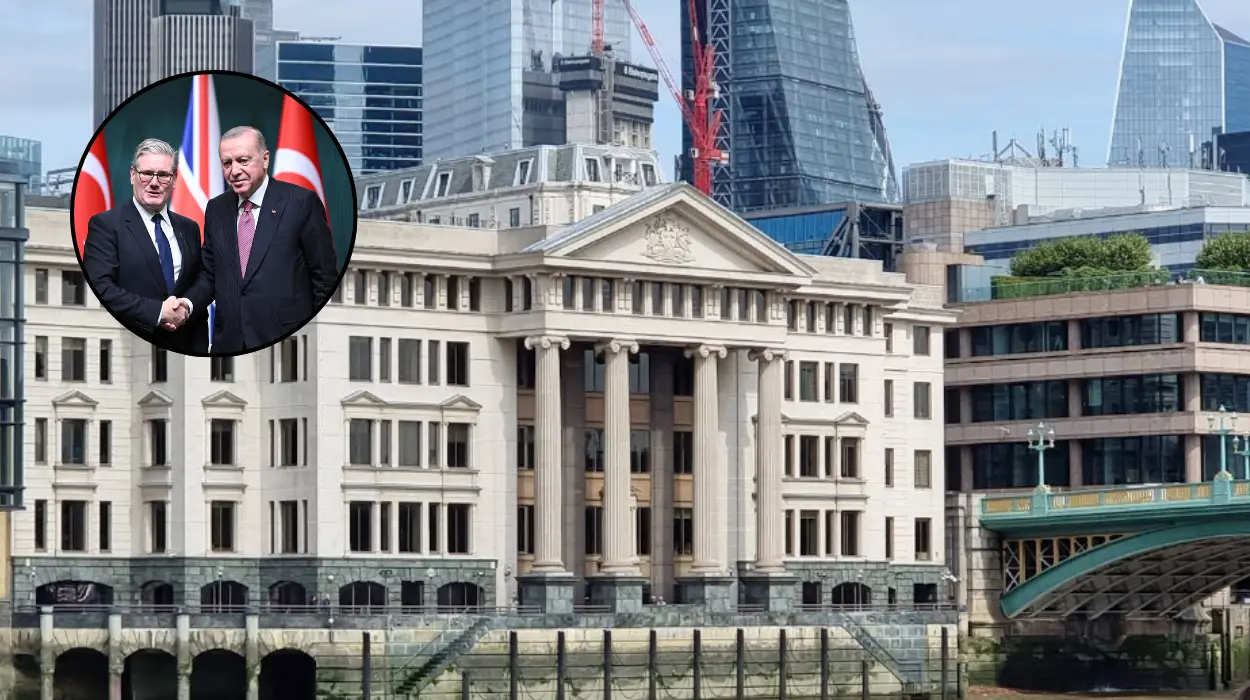
- Keir Starmer, British Prime Minister, and Recep Tayyip Erdoğan, Turkish President, held a phone call on 7 March 2026 discussing Iran escalation, bilateral ties, and regional issues.
- Downing Street statement: Starmer strongly condemned Iran’s ballistic missile attack on NATO ally Türkiye, urged Iran to cease aggression, and highlighted UK plans to boost regional military capabilities for defence and stabilisation.
- Downing Street also emphasised deepening UK-Türkiye defence and security cooperation ahead of the NATO summit in Türkiye.
- Turkish statement: Erdoğan did not condemn Iran; instead, focused on US-Israeli attacks on Iran as the trigger, warning prolonged interventions could harm regional and global stability.
- Erdoğan stressed need for diplomacy, building a “dialogue platform,” and Türkiye’s ongoing peace efforts.
- Iran fired a ballistic missile towards Türkiye, intercepted by NATO over eastern Mediterranean on 5 March 2026; no casualties reported.
- Turkish Defence Ministry confirmed the missile passed through Iraqi and Syrian airspace; NATO condemned Iran’s actions.
- Erdoğan previously called US-Israeli attacks on Iran a “clear violation of international law” under UN Charter Article 2(4).
- Leaders discussed strong will to enhance cooperation, especially in defence industry.
- Call reflects broader geopolitical priorities: UK aligns with NATO solidarity, Türkiye pushes de-escalation.
London (Britain Today News) March 7, 2026 – British Prime Minister Keir Starmer and Turkish President Recep Tayyip Erdoğan held a phone call earlier today amid escalating tensions following Iran’s ballistic missile attack on NATO ally Türkiye, revealing stark differences in their official readouts. Downing Street emphasised Starmer’s condemnation of Iran and plans to bolster UK military presence in the region, while Ankara focused on US-Israeli strikes as the crisis origin and called for dialogue. The divergence underscores contrasting approaches to the Iran conflict as NATO prepares for its 2026 summit in Ankara.
- Key Points
- What Sparked the Starmer-Erdoğan Phone Call?
- What Did Downing Street Say about the Call?
- How Did Ankara Describe the Conversation?
- Why Do the Statements Diverge So Sharply?
- What Broader Issues Were Discussed?
- How Does This Fit the Regional Crisis?
- What Are the Implications for NATO and Diplomacy?
What Sparked the Starmer-Erdoğan Phone Call?
The conversation occurred against the backdrop of heightened regional volatility after US and Israeli strikes on Iran last week, prompting Iran’s retaliatory ballistic missile launch towards Türkiye on 5 March 2026. As reported by NATO spokesperson Allison Hart, alliance assets intercepted the missile over the eastern Mediterranean, marking the first direct NATO defence of a member state in this escalation. Türkiye’s Defence Ministry stated the munition, detected via Iraqi and Syrian airspace, was rendered inactive with no casualties, while affirming Ankara’s right to respond.
Downing Street’s readout, released post-call, framed the discussion around Iran’s “aggression” against Türkiye. No official UK government statement matching the exact Downing Street wording from today’s call appeared in searches, but it aligns with Starmer’s prior condemnations of Iranian actions.
What Did Downing Street Say about the Call?
According to the statement from Downing Street, Keir Starmer
“reiterated his strong condemnation of Iran’s ballistic missile attack on NATO ally Türkiye,”
and stressed that
“it was vital Iran ceased its aggression”.
The British account highlighted the UK’s decision to increase regional military capability to support “defences and stabilisation”. It also noted plans to deepen defence and security cooperation with Türkiye ahead of the upcoming NATO summit in Türkiye.
This positioning reflects London’s alignment with NATO solidarity, as Starmer has previously urged Iran to “refrain from further attacks” after coordinating with EU allies. The UK views the missile incident as unprovoked Iranian escalation.
How Did Ankara Describe the Conversation?
In contrast, the official Turkish readout from the Presidency’s Communications Directorate presented a different emphasis, as reported by Gizem Nisa Demir of Anadolu Agency. President Recep Tayyip Erdoğan expressed that Türkiye is
“closely monitoring the process that began with U.S.-Israeli attacks on Iran,”
warning that prolonged interventions could
“cause significant damage to regional and global stability”.
Erdoğan did not echo the British condemnation of Iran, instead underscoring that
“more can be done to encourage a diplomatic solution”
and to build a “dialogue platform”.
As detailed by Daily Sabah, Erdoğan told Starmer that Türkiye’s peace efforts continue amid the “war in Iran”. Middle East Eye reported Erdoğan’s view that ongoing monitoring includes the US-Israeli trigger for tensions. A Haber noted Erdoğan’s emphasis on dialogue opportunities and Türkiye’s barış odaklı (peace-focused) stance.
Why Do the Statements Diverge So Sharply?
The readouts reveal a
“noticeable divergence in emphasis,”
with London centring Iran’s actions against a NATO ally, while Ankara contextualises escalation within prior US-Israeli strikes. Critics, including Ankara’s perspective, argue the strikes violate UN Charter Article 2(4), prohibiting force against territorial integrity except in self-defence. Erdoğan had earlier labelled them a “clear violation of international law,” sharing “the pain of the Iranian people” at a Ramadan iftar, per Reuters.
This reflects Türkiye’s “diplomatic balancing act” as a NATO member neighbouring Iran, wary of narratives overlooking initial actions. Erdoğan warned of “serious consequences” for stability if unresolved, urging to “extinguish this fire before it spreads”.
What Broader Issues Were Discussed?
Beyond Iran, the leaders covered bilateral ties and defence cooperation. Erdoğan reaffirmed “strong political will” to develop ties, especially in savunma sanayii (defence industry), per İletişim Başkanlığı. Politis highlighted defence at the call’s centre. They also addressed regional/global matters, with Erdoğan noting steps to advance collaboration.
The NATO summit in Ankara, July 2026, looms large, where Türkiye will host allies. Past UK-Türkiye calls, like July 2025’s on Typhoon jets, underscore growing military ties.
How Does This Fit the Regional Crisis?
Iran denied firing the missile but confirmed NATO’s interception. USNI News reported NATO’s role post-US-Israel strikes. Erdoğan’s stance signals caution against drawing Türkiye into anti-Iran narratives, prioritising de-escalation. Haberler.com quoted Erdoğan warning Starmer of stability risks if interventions prolong.
London’s tone aligns with Western views framing Iran as aggressor. The call illustrates how
“close partners can frame the same conversation very differently,”
per the original analysis.
What Are the Implications for NATO and Diplomacy?
The divergence highlights tensions within NATO, with Türkiye advocating dialogue over confrontation. UK boosts signal solidarity. Erdoğan’s peace push positions Ankara as mediator. As MTV Lebanon noted, Erdoğan stressed Türkiye’s diplomatic continuity.
Experts see this as reflecting “distinct geopolitical priorities”. With Trump as US President, dynamics may shift. The summit could test unity.
This episode, amid missile interceptions and strikes, underscores fragile regional balances. Full readouts merit close watch for further developments.