Key Points
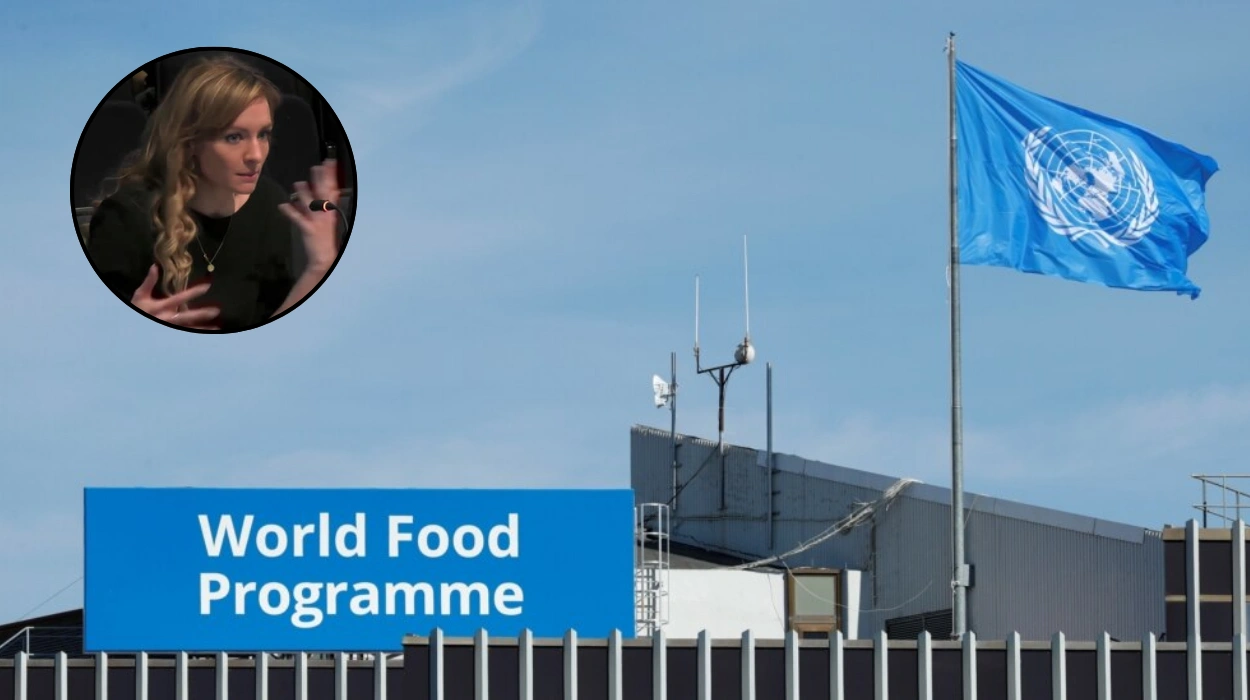
- The UN’s World Food Programme (WFP) has warned that Britain’s plan to “modernise” its aid programme, involving significant cuts, risks worsening humanitarian crises and destabilising fragile regions.
- In a submission to the International Development Committee’s inquiry into the future of UK aid, the WFP critiqued the government’s attempt to recast deep aid reductions as a strategic overhaul.
- Ministers describe the shift as moving “from donor to investor”, “from service delivery to system support”, “from grants to expertise” and “from international intervention to local provision”.
- The WFP argues this risks masking deep cuts to humanitarian funding amid escalating global need, noting Britain has invested in partner systems and development finance “for decades”.
- The policy overlooks immediate crises in fragile states where traditional grant aid remains essential.
- UK funding to WFP cut from $610m (£448m) in 2024 to $435m (£319m) in 2025, a reduction of around a third.
- Aid budget reduced from 0.5% to 0.3% of GNI by 2027, equating to £6bn annually, lowest in 25 years.
- International Development Committee inquiry examines delivering aid amid 40% budget cut to fund defence spending.
- Critics, including former minister Michael Bates, accuse PM Keir Starmer of “hypocrisy” given pledges to fight hunger.
- Charities warn cuts leave millions without food, water, health services; women, girls, children hit hardest.
- Impacts seen in Syria (35% cut), Ethiopia (25%), Palestine (21%), Afghanistan (19%), Sudan (18%).
London (Britain Today News) March 6, 2026 – The United Nations’ World Food Programme (WFP) has issued a stark warning that the UK government’s push to “modernise” its aid spending risks ignoring immediate humanitarian crises and destabilising fragile regions, as significant budget cuts are recast as strategic shifts.
- Key Points
- What Are the Core Elements of the UK’s Aid Modernisation Plan?
- Why Does the WFP Warn of Risks to Fragile Regions?
- How Severe Are the UK Aid Budget Cuts?
- What Impacts Are Charities Reporting on the Ground?
- Who Is Criticising the Government’s Approach?
- How Does This Compare to Other Donors Like the US?
- What Is the International Development Committee’s Role?
- What Are the Broader Global Implications?
In its submission to the House of Commons International Development Committee’s inquiry on the future of UK aid, the WFP highlighted how the government’s rhetoric masks deep reductions in humanitarian funding at a time of unprecedented global need. The agency emphasised that traditional grant aid remains vital in fragile states facing acute emergencies.
Ministers have framed the changes as evolving
“from donor to investor, from service delivery to system support, from grants to expertise and from international intervention to local provision,”
according to Foreign Office Minister Baroness Chapman of Darlington. However, as reported by journalists at The Independent, the WFP contends that such approaches have been pursued “for decades” and do little to address pressing crises.
What Are the Core Elements of the UK’s Aid Modernisation Plan?
The UK government’s modernisation agenda seeks to prioritise impact, value for money and transparency in aid delivery. Baroness Chapman stated:
“We are modernising our approach to international development. Every pound must work harder for UK taxpayers and the people we help around the world.”
This involves shifting towards partnerships and investments rather than direct donor interventions, as outlined in a July 2025 government announcement. The International Development Committee (IDC), chaired by Sarah Champion MP, launched its inquiry in October 2025 to scrutinise how high-impact aid can persist amid a 40% budget cut redirected to defence spending.
As per The Guardian’s coverage, the plan coincides with broader cuts, including a one-third reduction in WFP funding from $610 million in 2024 to $435 million in 2025.
Why Does the WFP Warn of Risks to Fragile Regions?
The WFP submission argues that modernisation rhetoric overlooks immediate needs in fragile states where grant-based humanitarian aid is irreplaceable. Dom Tristram of Dom Tristram Substack reported:
“This week the UK government cut its contribution to the United Nations World Food Programme (WFP) by around a third,”
exacerbating hunger in conflict and climate-impacted areas.
The agency told MPs that investing in partner governments and development finance is not novel, having occurred for decades, yet fails to meet escalating crises. Northeast Bylines noted the cuts as part of a
“wider hit on aid spending that campaigners say is putting lives at risk,”
despite UK-hosted conferences on Afghanistan malnutrition without pledges.
How Severe Are the UK Aid Budget Cuts?
The UK’s Official Development Assistance (ODA) is dropping from 0.5% to 0.3% of Gross National Income by 2027, a £6 billion annual cut, the lowest in 25 years. This follows Sir Keir Starmer’s February 2025 announcement, justified by defence needs amid Russia’s Ukraine invasion.
The Independent reported nearly 100 charities condemning the “devastating” one-year impact, with families losing access to food, water and health services. Bond CEO Romilly Greenhill said:
“The last year has left more individuals without vital access to water, sanitation, and shelter.”
WFP funding specifically fell sharply, drawing “hypocrisy” accusations from former minister Michael Bates: “This will cost lives.”
What Impacts Are Charities Reporting on the Ground?
Charities highlight disproportionate effects on women, girls, children and conflict zones. Plan International UK CEO Rose Caldwell stated:
“The decision to reduce UK aid a year ago was a devastating setback for children already grappling with the repercussions of climate change and conflict.”
Médecins Sans Frontières (MSF) detailed cuts: Syria 35%, Ethiopia 25%, Palestine 21%, Afghanistan 19%, Sudan 18%, straining food, healthcare and water services. MSF’s Julie Paquereau warned in Afghanistan:
“Lack of access will push more babies and children with life-threatening conditions to already overburdened hospitals.”
ONE Campaign’s Lovett estimated cuts to Gavi and Global Fund could cost 620,000 lives. Bob Kitchen of International Rescue Committee wrote in the BMJ:
“These cuts come as a devastating blow”
amid 300 million in humanitarian need.
Who Is Criticising the Government’s Approach?
Prime Minister Keir Starmer faces “hypocrisy” charges, having pledged at the G20 Brazil summit to prioritise “fight against hunger” and tackle “suffering and starvation.” The Independent’s journalists noted the irony post-Labour government entry.
Sarah Champion MP questioned:
“What should drive the Government’s vision for foreign aid; national security, moral duty, international obligations?”
Bond’s Romilly Greenhill urged reversing cuts to restore UK credibility.
ICAI’s submission to IDC stressed no explicit decisions on poorest countries despite poverty reduction goals. Concern Worldwide reported:
“One year on: UK aid cuts are leaving millions at risk.”
How Does This Compare to Other Donors Like the US?
Centre for Global Development analysis shows UK ODA falling 27% (2024-25 to 2026-27), steeper than US’s 23% post-Trump cuts moderated by Congress. Ian coordinator at CGD said:
“Congress has shown a readiness to resist the most drastic cuts.”
Bond’s Gideon Rabinowitz remarked:
“The speed and extent of the UK’s withdrawal… are already inflicting severe consequences.”
This positions UK cuts as the sharpest among G7 nations.
What Is the International Development Committee’s Role?
Launched October 2025, the IDC inquiry seeks evidence by October 31 on aid effectiveness amid cuts. It has heard from academics, NGOs and businesses, with sessions like King’s College London’s in January 2026 expanding voices.
Submissions like ICAI’s highlight fragmented allocations across departments, risking effectiveness. CAFOD warned against aid for fossil fuels amid climate crises.
What Are the Broader Global Implications?
Cuts threaten UK influence as progress slows on UN Sustainable Development Goals, with 73% of extreme poor in conflict-climate areas rising to 86% by 2030. MSF stressed fragile states bear heaviest burden.
Romilly Greenhill warned of heightened global disease, conflict and disaster risks. As UK joins development talks, calls grow for poverty-focused reversal.
The WFP’s critique underscores tensions between fiscal priorities and humanitarian imperatives, with ongoing IDC scrutiny shaping future policy.