Key Points
- Ayatollah Ali Khamenei, Iran’s Supreme Leader, was killed in coordinated US and Israeli airstrikes on key military and government sites in Iran on Saturday, February 28, 2026.
- US President Donald Trump confirmed the death, calling it the “greatest chance” for Iranians to “take back their country” and stating bombing would continue as needed.
- Iranian state media, including IRNA, reported Khamenei’s death early Sunday, March 1, 2026; a TV anchor broke down in tears announcing “Revenge is coming soon”.
- Israel renewed attacks on Tehran; PM Benjamin Netanyahu cited “increasing indications” of Khamenei’s death in a strike on his residence.
- Iran retaliated with missile strikes, killing three US soldiers and wounding others; new explosions hit Tehran as vows of vengeance grew.
- Pro-government rallies in Tehran, Isfahan, Qom erupted with chants for “severe revenge” against US and Israel; crowds showed anger and readiness for war.
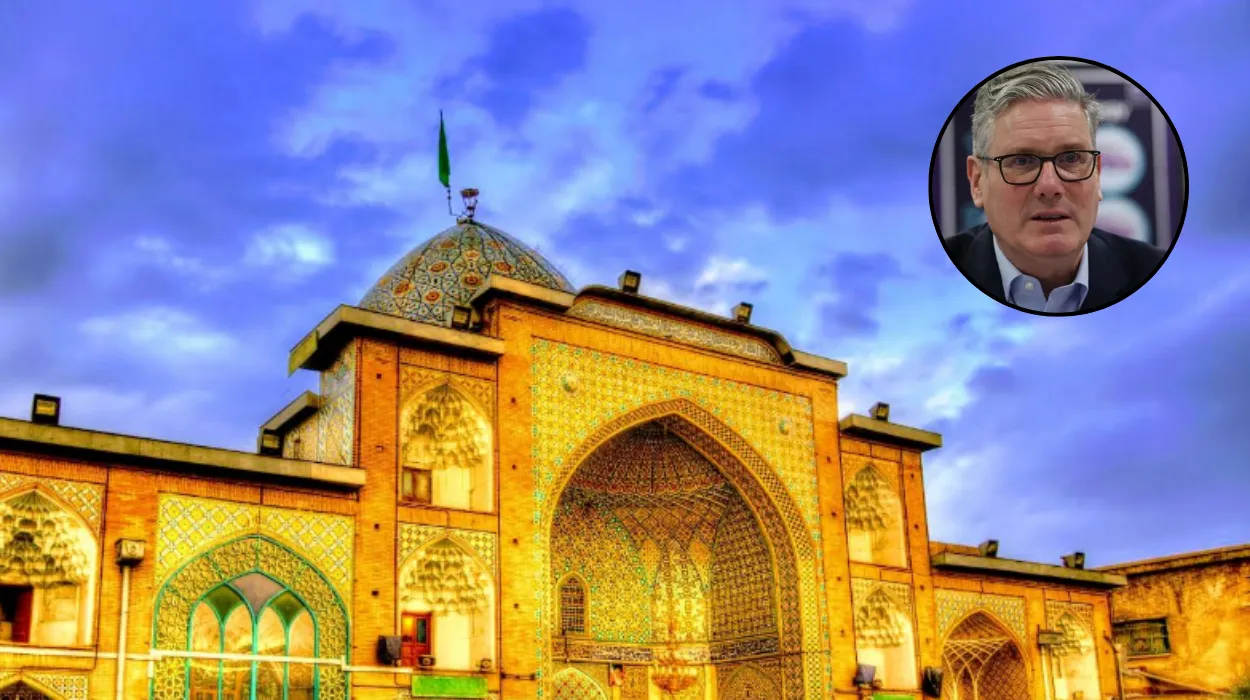
- British PM Sir Keir Starmer, with French President Emmanuel Macron and German Chancellor Friedrich Merz, urged resumed talks and a negotiated settlement; UK deployed aircraft for defence but did not join strikes.
- Russia condemned strikes as “pre-planned aggression” aiming at regime change; China called for halt to action and respect for Iran’s sovereignty.
- Hamas mourned Khamenei, condemning the “heinous” act and holding US-Israel responsible.
- Iran announced 40 days of mourning; potential new leadership open to US talks per AP source, with Trump “eventually” willing.
- Protests worldwide: 23 killed in Pakistan clashes; crowds raged or celebrated in Baghdad, Karachi.
- Trump’s operations “ahead of schedule”; Iran hit US bases and regional assets in UAE, Kuwait, Jordan, Saudi Arabia, Iraq, Oman.
Tehran (Britain Today News) March 1, 2026 – Iran’s Supreme Leader Ayatollah Ali Khamenei has been killed in joint US and Israeli strikes, prompting urgent calls for peace amid flashes of public anger and vows of retaliation across the region.
- Key Points
- Why Did the US and Israel Target Khamenei?
- What Immediate Reactions Emerged in Iran?
- How Has the US Responded to Retaliation?
- What Are World Leaders Saying?
- Who Else Condemned or Supported the Strikes?
- What Protests and Violence Followed Globally?
- Is Diplomacy Still Possible?
- What Does This Mean for the Region?
The 86-year-old cleric, who wielded ultimate authority over Iran’s policies for over three decades, died following intense airstrikes on Saturday targeting military and government installations, Israeli officials informed The Associated Press. US President Donald Trump confirmed the development via social media, describing it as providing Iranians their “single greatest opportunity to reclaim their nation” and vowing sustained “intense and precise bombing”. Iranian state media swiftly announced the death, igniting mourning and fury.
Why Did the US and Israel Target Khamenei?
As reported by AP journalists in their live updates, the strikes marked a dramatic escalation, the second by the Trump administration against Iran in eight months amid nuclear talks. Israeli officials, speaking anonymously to The Associated Press, revealed Khamenei was killed in a significant assault, with PM Benjamin Netanyahu addressing the nation on “increasing indications” from a strike on his residence early Saturday. This followed years of tensions, with Khamenei holding sway over all major decisions without a clear successor.
What Immediate Reactions Emerged in Iran?
In Tehran, screams and chants filled streets as news broke; huge pro-regime rallies in Tehran, Isfahan, and Qom demanded “severe revenge,” blending grief with war readiness, according to eyewitness accounts in Middle East Eye. A state TV anchor tearfully declared, “Revenge is coming soon,” as per Firstpost coverage. Iran launched retaliatory missiles hitting US bases and assets in UAE, Kuwait, Jordan, Saudi Arabia, Iraq, and Oman, as announced officially.
How Has the US Responded to Retaliation?
The US military confirmed three soldiers killed and five seriously wounded in Iranian strikes, per NBC News and USA Today live blogs. President Trump told CNBC the operations were “ahead of schedule,” warning against further retaliation while urging Iranians to rise up. A senior White House official noted the regime hobbled but future uncertain amid ongoing missiles, CBS reported.
What Are World Leaders Saying?
British Prime Minister Sir Keir Starmer, in a joint statement with French President Emmanuel Macron and German Chancellor Friedrich Merz, urged the US and Iran to resume negotiations, favouring a “negotiated settlement”; they confirmed no UK, France, or Germany involvement but close coordination. Speaking from Downing Street, Sir Keir said the UK deployed aircraft for
“co-ordinated regional defensive operations to protect our people, our interests and our allies,”
ITV News reported.
Russia’s Foreign Ministry labelled the strikes
“a pre-planned and unprovoked act of armed aggression against a sovereign UN member state,”
accusing Washington and Tel Aviv of regime change pursuits. China expressed being “highly concerned,” calling for an immediate military halt, return to talks, and respect for “Iran’s sovereignty, security and territorial integrity”.
Who Else Condemned or Supported the Strikes?
Hamas expressed sorrow, calling the strike “heinous” and holding US-Israel “fully responsible for this blatant aggression” and repercussions. World leaders urged calm to prevent regional spread, AP noted, with some US allies endorsing while others pushed de-escalation.
What Protests and Violence Followed Globally?
In Pakistan, police fired tear gas at protesters outside the US consulate in Karachi, killing 23, Reuters witnessed. Crowds raged or celebrated in Baghdad and elsewhere; Iran’s 40-day mourning began amid uncertainty.
Is Diplomacy Still Possible?
An AP source indicated Iran’s “potential new leadership” is open to US talks, with Trump “eventually” willing. European leaders reiterated calls for renewed negotiations. Yet, with Israel renewing Tehran strikes and explosions ongoing, Fox News live updates show Trump warning Iran while hitting terror targets.
What Does This Mean for the Region?
The assassination creates a leadership void, CNN’s Iranian official told them Trump crossed a “very dangerous red line”. WSJ reported new Tehran blasts as Iran hit more US bases. NYT confirmed US losses amid live war.
This event, unfolding rapidly into March 2026, risks broader conflict, with peace pleas clashing against vengeful rhetoric. Analysts watch for successor emergence and if Trump’s call resonates internally.