

Key Points
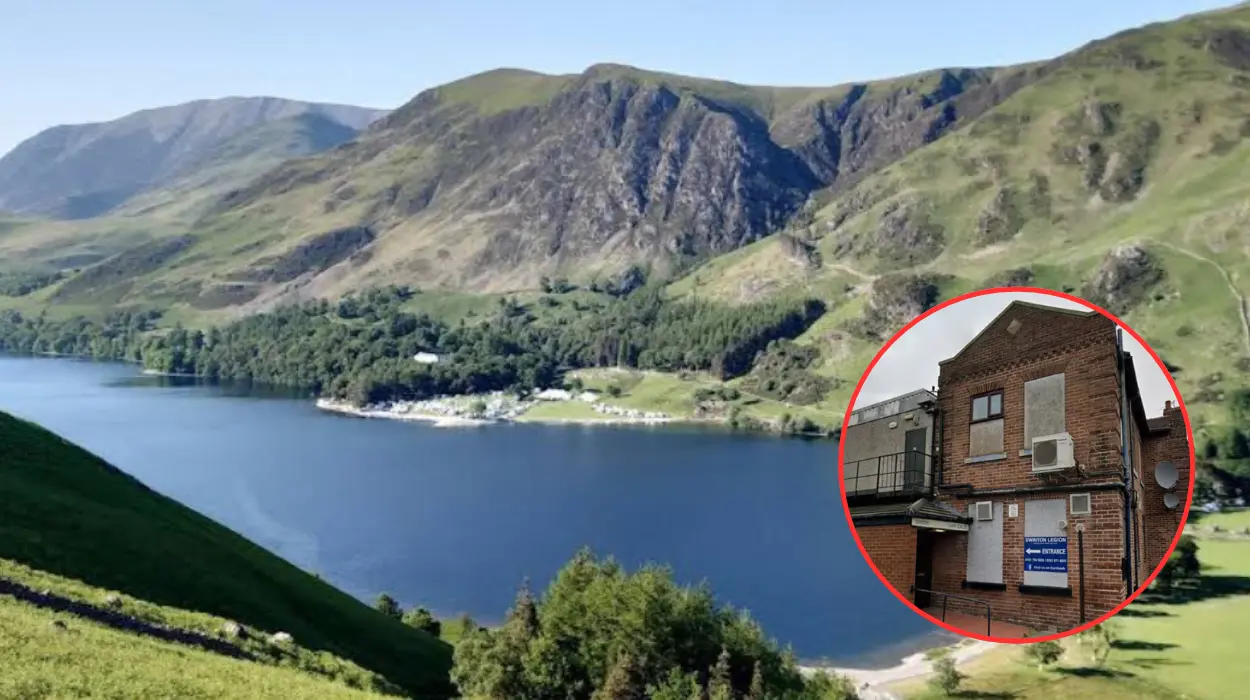
- As reported by local democracy reporter Charlotte Hall of the Manchester Evening News, the former British Legion Club located on Cheetham Road in Swinton could be demolished to make way for a new residential apartment block.
- The social club permanently closed its doors last year following financial struggles and a decline in viability.
- The planning application, submitted by applicant Mr Naveed Ashraf, proposes an L-shaped, three-storey building at the junction with Douglas Street containing 15 residential units: four one-bedroom, eight two-bedroom, and three three-bedroom homes.
- Architectural designs prepared by Tang and Associates Architecture incorporate storage facilities for 16 bicycles and shared green space, while drawing aesthetic inspiration from the former public house.
- Approximately 25 local residents have formally opposed the development plans, citing concerns over existing parking pressures, the lack of designated parking in the proposed “car-free” scheme, the three-storey building being “out of character” with the surrounding neighbourhood, and a desire to retain the site as a community asset.
- Despite community opposition, council highways officers have recommended the planning application for approval, concluding that parking demand for the 15 flats would be less than if the social club remained operational and noting the site’s accessibility via sustainable transport modes.
Swinton, (Britain Today News) November 13, 2026 – A vacant social venue in Swinton is facing imminent demolition under new planning proposals to construct a 15-flat apartment block. As reported by local democracy reporter Charlotte Hall of the Manchester Evening News, the former British Legion Club on Cheetham Road—which closed last year due to a lack of funds—could be flattened if local councillors grant final approval next week. While developers emphasize sustainable urban renewal and bicycle infrastructure, local residents have raised objections regarding parking congestion and the loss of a potential community asset.
- Key Points
- What Are the Details of the Proposed Apartment Development in Swinton?
- Why Are Local Residents Opposing the Demolition and Housing Plans?
- How Have Council Officers and Highways Experts Responded to the Planning Application?
- Background of the Development
- Prediction on How This Development Can Affect Swinton Town Centre and Local Housing Dynamics
What Are the Details of the Proposed Apartment Development in Swinton?
The redevelopment proposal entails the complete demolition of the existing two-storey vacant building that formerly housed the Swinton British Legion Club. As reported by local democracy reporter Charlotte Hall of the Manchester Evening News, the formal planning application submitted by Mr Naveed Ashraf outlines an L-shaped, three-storey residential block situated along the junction with Douglas Street.
The development blueprint comprises 15 new homes, specifically broken down into four one-bedroom apartments, eight two-bedroom apartments, and three three-bedroom properties. Architectural blueprints drafted by Tang and Associates Architecture have been designed to “take inspiration from the former public house,” incorporating modern sustainability features such as secure storage space for up to 16 bicycles and communal green space for future tenants.
Defending the design parameters, a statement prepared by Tang and Associates Architecture and cited in the Manchester Evening News noted: “We feel that the proposal would be a valuable addition to the area by providing a high-quality and sensitive residential development within Swinton Town Centre. The site was designed to consciously address security, privacy, accessibility, and improve quality, contributing to the Swinton Town Centre Area.”
Why Are Local Residents Opposing the Demolition and Housing Plans?
The transition from a community social club to a private residential block has encountered significant pushback from the surrounding neighbourhood. As reported by local democracy reporter Charlotte Hall of the Manchester Evening News, approximately 25 local residents have registered formal objections against the scheme.
The primary grievances center on vehicular parking and neighborhood character. Residents argued that the designated “car-free” nature of the development will exacerbate existing parking stress on nearby streets. Furthermore, objectors expressed concern that a three-storey structure is “out of character” with the prevailing local architecture. Many community members also maintained that the plot should ideally be preserved and utilized as a local community asset rather than converted into private housing.
How Have Council Officers and Highways Experts Responded to the Planning Application?
Despite the opposition voiced by local residents, the development has secured crucial backing from municipal authorities ahead of next week’s council committee meeting. As reported by local democracy reporter Charlotte Hall of the Manchester Evening News, council highways officers reviewed the transport and spatial implications and concluded that the overall parking demand generated by 15 residential apartments would actually be “less than if it had remained a social club.”
Recommending the application for formal approval, a planning officer wrote: “The proposal would redevelop a vacant brownfield site in a sustainable location to deliver 15 new homes and make efficient use of land, with the loss of the former community facility considered acceptable given the availability of alternative local provision and the lack of viability of the former use.”
The officer further emphasized transport accessibility, stating: “The site is highly accessible by sustainable transport modes and, despite being a car-free development, evidence demonstrates that it would not have a severe impact on parking, highway safety or the operation of the local highway network.”
Background of the Development
The redevelopment of defunct social clubs, working men’s clubs, and British Legion branches reflects broader demographic and economic shifts across urban and suburban communities in the United Kingdom. Over recent decades, traditional members’ clubs have faced severe financial pressures due to changing social habits, rising operational costs, and declining membership numbers. When these community hubs close, local planning authorities frequently balance competing priorities: preserving neighborhood social assets against the pressing regional demand for brownfield site regeneration, urban densification, and new housing delivery. In Greater Manchester, municipal frameworks increasingly encourage sustainable, public-transport-accessible housing developments to meet housing targets while revitalizing underutilised town centre parcels.
Prediction on How This Development Can Affect Swinton Town Centre and Local Housing Dynamics
The anticipated approval of the Cheetham Road apartment block is expected to set a precedent for how vacant commercial and social properties are managed within Swinton Town Centre. For local residents and community groups, the loss of the former British Legion Club marks a permanent transition away from traditional social infrastructure toward high-density residential land use, potentially increasing local sensitivity toward future planning applications. Conversely, for prospective first-time buyers and renters seeking modern accommodation within Greater Manchester, the introduction of 15 sustainable, car-free homes provides vital housing stock on a previously abandoned brownfield site, while placing renewed focus on municipal management of on-street parking and local traffic flow.