

Key Points
- A packed British Airways Airbus A321neo operating Flight BA431 from Amsterdam to London experienced a terrifying landing scare on Thursday, November 12, 2026, at Heathrow Airport.
- As reported by journalist Jasmine Kazlauskas of News.com.au (citing details from The Sun), the aircraft’s tail struck the runway during touchdown at approximately 11:00 am, forcing the pilots to abort the landing and climb back into the air.
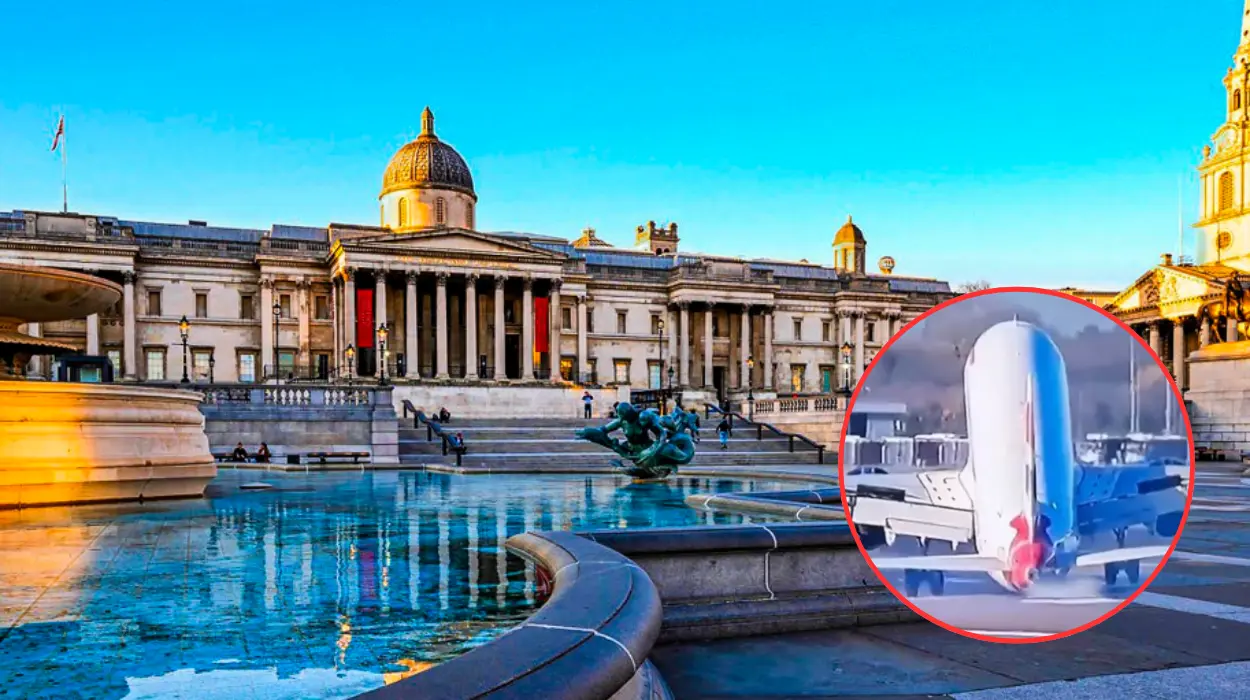
- Footage captured by a nearby plane-spotter documented the twin-jet’s tailfin crashing onto the tarmac while striking on its left-sided tyres, causing passengers to lurch forward and scream inside the cabin.
- A source quoted by The Sun and reported by journalist Jasmine Kazlauskas stated: “This is most irregular. There were screams. No-one knew what was happening,” and added that “This near-crash is very rare. The plane was buffeted by high winds, but usually the pilots have this scenario under control. An investigation will get to the bottom of what happened.”
- Early investigative findings pointed toward a potential “misjudgment” in the cockpit, and the severe incident has been formally reported to the United Kingdom’s Air Accidents Investigation Branch (AAIB).
- In a separate recent aviation incident reported alongside the Heathrow event, a United Airlines flight (UA2174 from Newark to New Orleans) triggered an international “squawk 7500” hijack alert after a passenger claimed to have a bomb and attempted to breach the cockpit.
London, Heathrow Airport (Britain Today News) November 13, 2026 – Two hundred and twenty passengers aboard a British Airways flight from Amsterdam experienced a harrowing landing scare at Heathrow Airport on Thursday when their aircraft suffered a severe tail-strike during touchdown. As reported by journalist Jasmine Kazlauskas of News.com.au, Flight BA431 was forced to dramatically abort its initial landing after the tailfin of the Airbus A321neo struck the runway tarmac. The incident, captured on video by local plane-spotters, prompted screams inside the cabin and triggered an official safety investigation by aviation authorities.
- Key Points
- How Did the Landing Scare Unfold on Flight BA431?
- What Are the Findings of the Initial Investigation Into the Heathrow Incident?
- What Other Recent Aviation Incidents Were Reported Alongside the Heathrow Scare?
- Background of the Development
- Prediction on How This Development Can Affect Airline Safety Protocols, Pilot Training, and Passenger Confidence at Major Hubs
How Did the Landing Scare Unfold on Flight BA431?
The frightening sequence of events occurred at around 11:00 am local time on Thursday as British Airways Flight BA431 approached Heathrow Airport following a scheduled commercial service from Amsterdam. According to accounts detailed by journalist Jasmine Kazlauskas of News.com.au, the twin-jet Airbus A321neo encountered turbulent conditions characterized by high winds as it attempted to touch down on the airport’s runways.
During the descent, the aircraft hit the tarmac heavily on its left-sided tyres while the tailfin of the aircraft physically struck the runway surface. As reported by journalist Jasmine Kazlauskas, referencing information obtained from The Sun, passengers lurched violently forward in their seats as chaos erupted in the cabin. A confidential source speaking to The Sun described the atmosphere on board, stating: “This is most irregular. There were screams. No-one knew what was happening.” The source further noted the rarity of the occurrence: “This near-crash is very rare. The plane was buffeted by high winds, but usually the pilots have this scenario under control.”
Rather than completing the compromised landing, the flight crew executed an immediate go-around, forcing the jet to power up its engines and climb back into the safety of the skies before making a subsequent safe landing.
What Are the Findings of the Initial Investigation Into the Heathrow Incident?
Following the aborted landing and successful second approach, aviation authorities initiated formal inquiries into the structural and operational factors contributing to the tail-strike. As reported by journalist Jasmine Kazlauskas of News.com.au, early preliminary investigation reports point toward a potential “misjudgment” within the cockpit during the final descent and flare manoeuvre.
The incident has been officially reported to the Air Accidents Investigation Branch (AAIB), the official United Kingdom government agency tasked with investigating civil aircraft accidents and serious operational incidents within UK airspace. While News.com.au reached out directly to British Airways for corporate comment, investigators are analyzing flight data recorder metrics, weather radar logs, and cockpit voice recordings to determine precisely how the severe touchdown angle occurred.
What Other Recent Aviation Incidents Were Reported Alongside the Heathrow Scare?
The terrifying Heathrow landing occurred amid a broader week of international aviation safety concerns. As reported by journalist Jasmine Kazlauskas of News.com.au, a separate security incident unfolded earlier in the week involving a United Airlines aircraft operating within the United States.
Flight UA2174, which departed New Jersey’s Newark International Airport at 9:27 pm EST on Monday bound for Louis Armstrong International Airport in New Orleans, triggered a Level 4 international security alert after a passenger allegedly claimed to possess a bomb and attempted to storm the cockpit. According to aviation data provider FlightRadar24 and commentary cited by journalist Jasmine Kazlauskas, the flight crew on board squawked “7500”—the universal transponder code designating unlawful interference, hijacking, or hostile on-board threats. Aviation content creator Aaron Rheins noted that the Level 4 classification confirms an actual breach or attempted breach of the secure cockpit barrier.
Background of the Development
Tail-strike incidents during commercial aircraft landings represent critical aviation safety events governed by strict regulatory oversight. A tail-strike occurs when the tail section of an aircraft makes physical contact with the runway during takeoff or landing, typically caused by an excessive pitch-up angle, improper flare technique, wind shear, or sudden crosswinds. In modern commercial aviation, twin-jet narrow-body aircraft like the Airbus A321neo are equipped with advanced flight management systems and structural tail-skids designed to absorb minor impacts, but severe strikes require mandatory grounding, structural non-destructive testing (NDT), and exhaustive safety reviews by national bodies such as the UK’s Air Accidents Investigation Branch (AAIB) to ensure frame integrity before returning the aircraft to service.
Prediction on How This Development Can Affect Airline Safety Protocols, Pilot Training, and Passenger Confidence at Major Hubs
The high-profile tail-strike incident at Heathrow Airport is expected to prompt renewed scrutiny from commercial carriers and aviation regulators regarding crosswind landing procedures and pilot decision-making protocols during adverse weather conditions. For British Airways and other major international airlines operating heavy-schedule routes into congested hubs like Heathrow, training simulators will likely place increased emphasis on executing timely go-arounds when unstable approaches occur, minimizing reliance on marginal landing corrections in high-wind environments. For the traveling public, viral footage and media reports detailing passenger panic during the near-crash may temporarily heighten anxiety regarding air travel safety, placing pressure on airlines to transparently communicate the outcomes of the AAIB investigation to restore public confidence