
Key Points
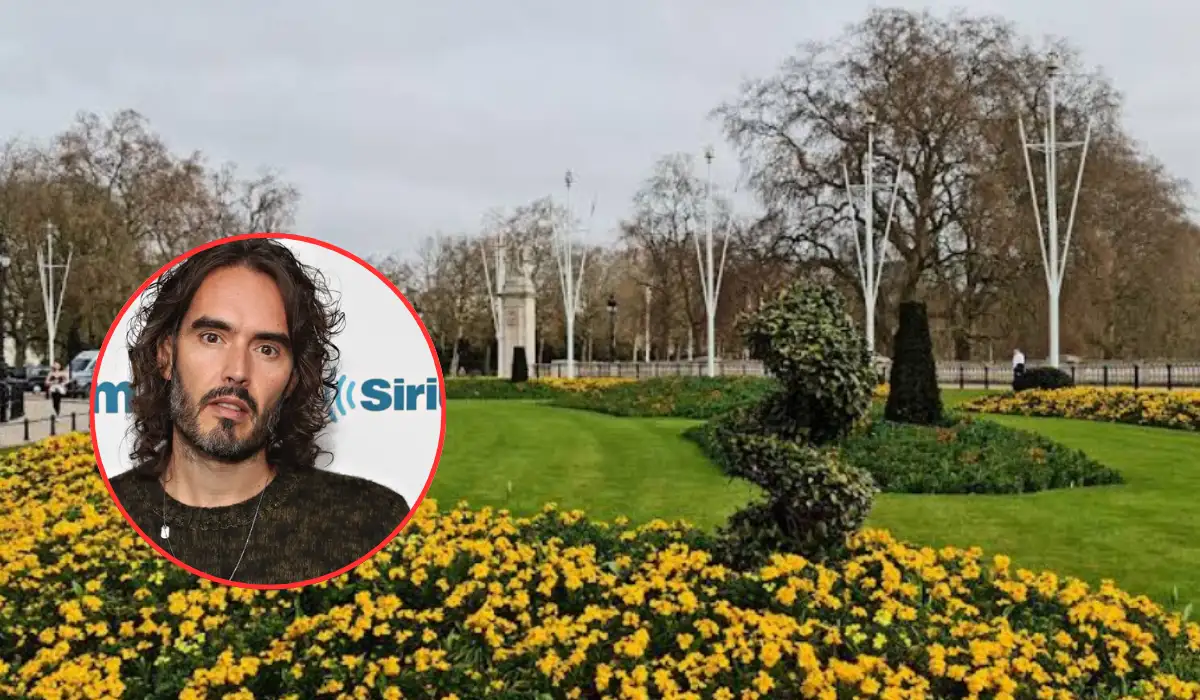
- Actor and comedian Russell Brand, 51, was sentenced to 10 years and six months in prison at London’s Southwark Crown Court on Monday, 9 November 2026.
- The sentencing follows Brand’s conviction on Thursday, 5 November 2026, where he was found guilty of one count of rape and three counts of sexual assault involving four women between 2004 and 2009.
- Presiding Judge Mr Justice Bennathan ordered that Brand must serve at least two-thirds of his 10-and-a-half-year sentence in custody before becoming eligible for parole consideration.
- Detectives from the Metropolitan Police Service gathered statements from over 100 witnesses and reviewed more than 1,400 documents as part of an investigation triggered by a joint 2023 media inquiry by The Sunday Times, The Times, and Channel 4’s Dispatches.
- Metropolitan Police confirmed that separate investigations into additional allegations of rape made by two other women remain ongoing, with files submitted to the Crown Prosecution Service (CPS).
London (Britain Today News) November 09, 2026 – British actor and comedian Russell Brand was sentenced to 10 years and six months in prison at London’s Southwark Crown Court on Monday following his conviction for rape and sexual assault. According to court proceedings presided over by Mr Justice Bennathan, the 51-year-old performer was ordered to serve two-thirds of his sentence in custody before he can be considered for parole. The sentencing marks the conclusion of a four-week trial arising from offences committed against four women between 2004 and 2009 during the height of Brand’s media career. Officers from the Metropolitan Police Service confirmed that while this trial has concluded, active investigations into separate allegations of rape involving two further complainants remain open with the Crown Prosecution Service.
- Key Points
- What Sentence Did the Court Impose on Russell Brand Following His Conviction?
- What Were the Specific Charges and Findings Detailed During the Trial?
- How Did Law Enforcement and Prosecutors Build the Case Against Brand?
- Are There Further Active Police Investigations Involving Russell Brand?
- Background of the Allegations and Institutional Scrutiny Surrounding Russell Brand
- Prediction: How Will This Verdict Affect the Entertainment Industry and Legal Safeguards?
What Sentence Did the Court Impose on Russell Brand Following His Conviction?
As reported by digital news writer-reporter Becca Longmire of PEOPLE, Russell Brand appeared at London’s Southwark Crown Court on Monday, 9 November 2026, where he received a custodial sentence of 10 years and six months.
The sentencing followed a jury verdict delivered on Thursday, 5 November 2026, in which Brand was found guilty of one count of rape and three counts of sexual assault. He had previously entered formal pleas of not guilty to all charges.
As reported by The Guardian, presiding judge Mr Justice Bennathan ruled during the sentencing hearing that Brand must serve two-thirds of his 10-and-a-half-year term in prison before he becomes eligible to apply for conditional release on parole.
Reporting from the courtroom, the BBC observed that as Brand was led away from the dock by security personnel to begin his prison sentence, he mouthed the words “I love you” to his wife, Laura Brand, who was present in the public gallery.
Addressing Brand during the initial verdict hand-down on 5 November, Mr Justice Bennathan warned the performer of the severity of the impending penalty. As reported by the BBC, Mr Justice Bennathan told Brand: “You’ve been convicted of a number of offences including rape. The consequence of that is inevitably a significant custodial term.” The judge subsequently ordered Brand to be remanded directly into custody pending Monday’s formal sentencing.
What Were the Specific Charges and Findings Detailed During the Trial?
As reported by The New York Times, the trial against Brand commenced on 12 October 2026 at Southwark Crown Court and spanned just over three weeks of legal arguments, physical evidence presentation, and witness testimonies from six accusers, as well as testimony from Brand himself.
According to a formal news release issued by the Metropolitan Police Service on Thursday, 5 November 2026, Brand’s convictions relate to offences committed against four female victims between 2004 and 2009.
The police statement noted that the incidents took place across multiple locations in the United Kingdom, including inside a broadcast radio station, on the production set of a commercial DVD recording, and inside Brand’s personal residential address. During trial proceedings, the prosecution presented evidence showing that the offences occurred during a decade in which the complainants alleged Brand used his celebrity status and professional authority to compel them into non-consensual sexual activity.
Throughout the trial, Brand maintained his innocence, testifying that all sexual encounters throughout his life had been fully consensual. As reported by The New York Times, Brand testified in court that he believed “consent is fundamental, essential, necessary, and in many ways, more important than sex itself.”
Prior to the trial, Brand addressed the historical accusations in a video statement released on social media platform X in 2025. As cited by PEOPLE, Brand stated: “I was a fool before I lived in the light of the Lord. I was a drug addict, a sex addict and an imbecile. But what I never was was a rapist.”
How Did Law Enforcement and Prosecutors Build the Case Against Brand?
As reported by PEOPLE, the law enforcement investigation into Brand was formally launched by the Metropolitan Police Service following a joint investigative journalism report published in September 2023 by The Sunday Times, The Times, and Channel 4’s current affairs programme Dispatches.
Following the initial media disclosures, specialized detectives from the Metropolitan Police Service executed an extensive evidence-gathering operation spanning more than three years. According to official figures released by police leadership following the verdict, detectives traced and interviewed more than 100 witnesses, recorded over 400 formal witness statements, and analyzed upwards of 1,400 physical and digital documents.
Commenting on the verdict in an official Metropolitan Police statement, Detective Superintendent Andy Furphy praised the victims who testified during the trial. As reported by PEOPLE, Detective Superintendent Andy Furphy stated: “The guilty verdict was first and foremost a testament to the extraordinary courage, resilience and determination of the women who came forward and reported what happened to them. Despite intense media and public scrutiny, they relived deeply personal and traumatic experiences and placed their trust in us. Without their bravery, this outcome would not have been possible.”
Detective Superintendent Furphy further stated: “Brand used his influence, status and fame to exploit and sexually offend against women. As his profile grew, so too did his sense of entitlement. I hope this conviction sends a clear message that no one is above the law, no matter how famous or powerful they may be.”
Are There Further Active Police Investigations Involving Russell Brand?
As reported by the BBC, senior law enforcement officials confirmed that the conviction at Southwark Crown Court does not mark the end of legal scrutiny surrounding the entertainer.
Metropolitan Police Commissioner Sir Mark Rowley previously stated to public broadcasters that he “wouldn’t be surprised if more people came forward,” disclosing that police were actively pursuing additional claims.
In a formal statement provided to PEOPLE, a spokesperson for the Metropolitan Police Service confirmed that active inquiries remain underway regarding separate complaints. As reported by PEOPLE, the Metropolitan Police spokesperson stated: “The Met’s investigation into allegations of rape made by two women remains ongoing. The suspect has previously been interviewed under caution in connection with the allegations.”
The spokesperson added: “Files have been submitted to the Crown Prosecution Service in relation to both complainants. Detectives remain in close contact with prosecutors as enquiries continue and further investigative work is carried out.”
Background of the Allegations and Institutional Scrutiny Surrounding Russell Brand
The legal proceedings against Russell Brand represent the culmination of years of public scrutiny regarding workplace culture and talent management across the British entertainment industry during the mid-2000s. Rising to national prominence as a television presenter on Channel 4’s Big Brother’s Big Mouth and as a radio host for BBC Radio 2 and 6 Music, Brand subsequently built an international career in Hollywood, starring in feature films such as Forgetting Sarah Marshall (2008) and Get Him to the Greek (2010).
The September 2023 joint investigation by The Sunday Times, The Times, and Channel 4’s Dispatches published detailed accounts from multiple women alleging sexual assault, rape, and emotional abuse between 2006 and 2013. The allegations prompted internal corporate reviews by both the BBC and Channel 4 into historical complaints and staff conduct during the period Brand was employed by the broadcasters. Following the broadcast of the documentary, Brand shifted his primary media footprint away from traditional outlets to independent digital platforms, focusing on online commentary, health content, and political discourse prior to his arrest and trial in 2026.
Prediction: How Will This Verdict Affect the Entertainment Industry and Legal Safeguards?
The 10-and-a-half-year prison sentence handed down to Russell Brand is expected to have lasting operational and legal ramifications across the media sector, law enforcement procedures, and public institutions.
Impact on Broadcasting Institutions and Workplace Protection Protocols: The successful prosecution of a high-profile media personality for historical offences will intensify pressure on television networks, radio stations, and talent agencies to enforce strict safeguarding standards. Production companies and public broadcasters across the United Kingdom will likely face demands to overhaul internal reporting structures, ensuring that freelance staff, junior crew members, and contributors have confidential, independent channels to report misconduct without fear of career retaliation or institutional suppression.
Impact on Ongoing Police Inquiries and Legal Precedents: For law enforcement agencies and victims of historical sexual abuse, the conviction provides a major precedent regarding the prosecution of complex offences committed years prior. The outcome may encourage other individuals who experienced alleged abuse within high-profile or corporate environments to come forward to police. As the Metropolitan Police Service and the Crown Prosecution Service continue to review files concerning active complaints against Brand, legal experts anticipate that further formal charges could be brought, leading to additional court proceedings in the future.