Key Points
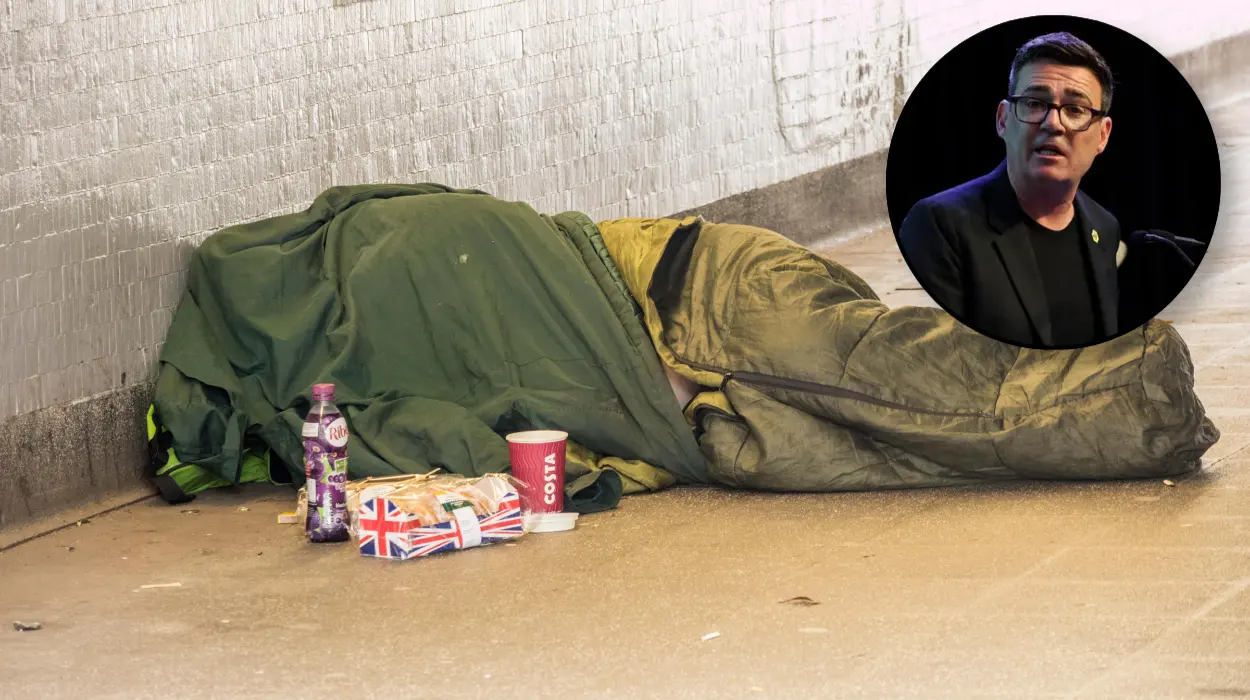
- New Prime Minister Andy Burnham has announced a nationwide plan to get rough sleepers off the streets of England by Christmas.
- The scheme receives an increased £442 million ($666 million) funding pot, with the greatest funding allocated to those areas with the highest levels of homelessness and housing pressure.
- The number of people who rough sleep in England has reached a record high, with official figures at 4,793 in 2025 and charity Shelter estimating that the total number of homeless people in England is 382,000.
- The Institute for Public Policy Research (IPPR) has predicted that rough sleeping may increase by 25 per cent by 2030 if the figures keep going up.
- Burnham noted the quick rehousing of homes during Covid-19 as evidence of the possibility of rapid rehousing.
- Housing Secretary Angela Rayner has stated that the money will assist “thousands” of people to get into secure housing.
- The government will be constructing over 1,000 permanent homes over the next three years as well as emergency housing this winter.
- A national summit on rough sleeping is to be held later in the year, to which local leaders and mayors have committed to deliver.
- Burnham has admitted that government money “may not completely take us there” and has sought the contribution of faith groups and society.
- The announcement has been broadly welcomed by charities but met with concerns from opposition politicians about the lack of detail on the long-term funding.
London (Britain Today News) August 19, 2026 — New UK Prime Minister Andy Burnham unveiled plans on Wednesday to offer every person sleeping rough in England a route off the streets by Christmas, as part of a wider bid to curb homelessness across the country. Announcing the scheme in a statement, Burnham said:
- Key Points
- Why Has Burnham Made Rough Sleeping His Priority?
- How Much Money Is Being Put Into the Scheme?
- How Many People Are Sleeping Rough in England?
- What Lessons Is Burnham Drawing From the Covid-19 Pandemic?
- What Has Burnham Said About Delivering the Plan Before Christmas?
- What Has Housing Secretary Angela Rayner Said?
- How Have Charities and Opposition Politicians Reacted?
- What Happens Next?
“No one should have to bed down in a doorway or outside a station. But we’ve seen it for so long that it feels like Westminster has started to accept it,”
referring to the UK parliament.
Why Has Burnham Made Rough Sleeping His Priority?
The announcement comes a month after Burnham replaced Keir Starmer as prime minister, and it builds directly on a pledge he made on his very first day in office to end rough sleeping. His government is now setting out the next practical steps needed to achieve that aim, with emergency accommodation and long-term housing support due to be put in place across England this winter.
Burnham expressed his disbelief that a country with the fifth-largest economy in the world cannot
“get our own people off the streets.”
adding:
“I don’t believe it for a minute.”
How Much Money Is Being Put Into the Scheme?
Under the programme, areas facing the highest levels of homelessness and housing pressure will receive the largest share of a boosted £442 million ($666 million) in funding. The money is intended to fund both immediate emergency accommodation and a longer-term shift towards permanent housing solutions, rather than short-term fixes alone.
The government has confirmed that the funding package will not only provide immediate accommodation for rough sleepers this winter, but will also support the creation of more than 1,000 permanent homes over the next three years.
How Many People Are Sleeping Rough in England?
The scale of the challenge facing Burnham’s government is significant. The number of rough sleepers in England reached a record 4,793 in 2025, according to official government figures. That figure represents people sleeping outdoors on any given night and is widely regarded as a bare minimum count of the crisis.
Rough sleepers, however, are only a minority of England’s total homeless population. Leading charity Shelter estimates the wider homeless population stood at 382,000 in 2025, a figure that includes people who manage to stay off the streets but lack a permanent residence or security of tenure. This larger total also includes families and children who are not visible in official rough sleeping counts but remain without stable, long-term housing.
Could the Problem Get Worse Before It Gets Better?
Despite repeated government interventions over the years, the figures show little sign of budging. The Institute for Public Policy Research (IPPR) think tank warned earlier this year that rough sleeping numbers could increase by 25 per cent by 2030 unless current trends are reversed. That warning underlines the scale of the task facing Burnham’s administration and raises questions over whether a single winter funding package can make a lasting dent in the crisis.
What Lessons Is Burnham Drawing From the Covid-19 Pandemic?
Burnham has repeatedly cited the emergency housing response mounted during the Covid-19 pandemic, when thousands of rough sleepers were rapidly moved into hotels and temporary accommodation under the “Everyone In” initiative. In his statement, Burnham said:
“We can do it again,”
Framing the pandemic-era response as evidence that rapid, large-scale rehousing is achievable when political will and funding are aligned.
Did Burnham Succeed in Tackling Homelessness as Mayor of Manchester?
Before becoming prime minister, Burnham spent almost a decade as mayor of the northern city of Manchester, during which he also vowed to end rough sleeping in the region. That pledge ultimately fell short despite some initial success in reducing numbers, a track record that opposition figures and commentators are likely to scrutinise closely as he now attempts the same feat on a national scale.
What Has Burnham Said About Delivering the Plan Before Christmas?
Burnham has pledged that the government will convene the first national summit dedicated to tackling rough sleeping later this year, bringing together local leaders, charities and officials to coordinate delivery. He has also stressed that it will be up to local leaders, including regional mayors, to drive the action needed before Christmas.
What Did Burnham Say During His Visit to Newcastle?
Speaking during a visit to a homelessness charity in the northern city of Newcastle, Burnham said the programme would be funded from within the existing housing ministry budget. However, he was candid about the limits of government resources alone, acknowledging:
“The government money may not fully get us there.”
He went further, appealing directly to communities and institutions beyond Whitehall to help deliver on the pledge.
“I’m saying to wider society, faith organisations, let’s see if we can do this together. Let’s see if Britain can do this,”
He said.
What Has Housing Secretary Angela Rayner Said?
Housing Secretary Angela Rayner said the government was moving “urgently” following Burnham’s pledge to end rough sleeping by Christmas. In a statement, Rayner said:
“This funding will help thousands of people leave the streets behind, move into secure homes and get the support they need to rebuild their lives.”
Her comments frame the £442 million package as more than an emergency winter measure, positioning it instead as the first stage of a longer-term strategy that includes the construction of over 1,000 new permanent homes over the coming three years.
Explore More about Politics:
Florence Eshalomi Named UK Homelessness Minister
Disabled People to Get Free Bus Travel Anytime by 2027
How Have Charities and Opposition Politicians Reacted?
The response to Burnham’s announcement has been mixed. Charities working directly with homeless and rough-sleeping populations have broadly welcomed the funding boost and the explicit Christmas deadline, viewing it as a sign of renewed political urgency after years of rising numbers.
However, the announcement has also drawn scepticism from other political parties, with critics questioning how sustainable the plan is beyond the immediate winter period. One opposition politician, responding to the announcement, said:
“And as with many of his other commitments, there is very little detail on how this one will be paid for.”
What Happens Next?
With winter approaching, the coming months will be the first real test of whether Burnham’s government can translate its funding announcement into results on the ground. The promised national summit is expected to bring further detail on how local authorities, mayors and charities will coordinate delivery, while scrutiny is likely to intensify over how the £442 million is distributed and whether the target of clearing rough sleeping from England’s streets by Christmas can realistically be met.
For a prime minister who has staked his opening month in office on this pledge, the outcome will be closely watched not only by campaigners and charities, but by a public increasingly sceptical that repeated government promises on homelessness can be kept.