Key Points
- The UK government has awarded £7.3 million to eight British companies to develop hydrogen-powered and electric aircraft infrastructure.
- The funding forms part of a wider £43 million package for next-generation aviation technology.
- Projects include electric charging systems for aircraft that could support future flying taxi services, and hydrogen storage facilities at UK airports.
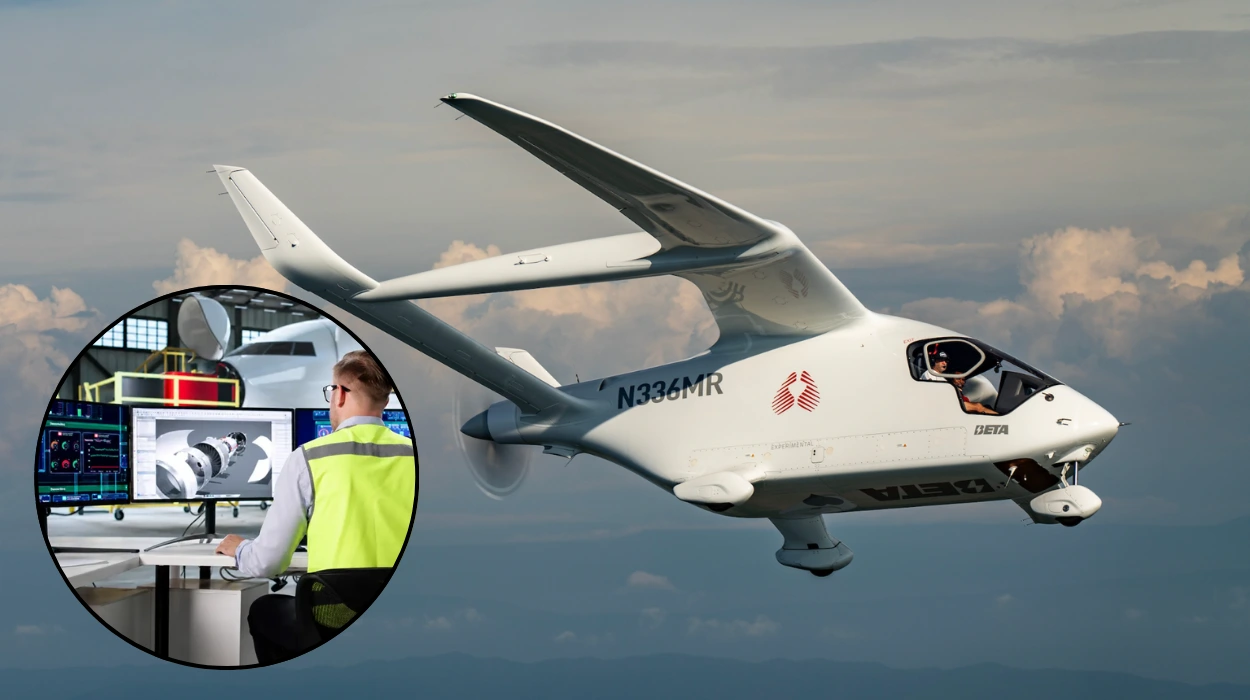
- Beta Technologies and Vertical Aerospace are among the recipients, sharing up to £3.2 million to demonstrate how their aircraft can operate within commercial airport systems.
- The UK aerospace and aviation sector is worth £20 billion to the economy, and ministers say the investment will help protect thousands of jobs.
- New research from the University of Birmingham, backed by the government, suggests flying taxis could boost connectivity and economic growth.
- The announcement follows Vertical Aerospace unveiling a six-seater aircraft and a new UK manufacturing contract at the Farnborough International Airshow.
- It builds on a separate £46.5 million investment announced in May for flying taxis and drones, covering medical deliveries and policing.
- The Jet Zero Taskforce Expert Group met at Farnborough on 21 July 2026 to discuss emissions reduction, including a £2.3 billion commitment to the Aerospace Technology Institute Programme.
- The UK Civil Aviation Authority has published findings from its Hydrogen Challenge programme, with a further £2.5 million to be invested before March 2027.
- Last month, the government announced a £219 million low-carbon fuels fund to support net-zero aviation and sustainable aviation fuel production.
London (Britain Today News) July 24 ,2026 — Electric aircraft that could one day serve as flying taxis, along with hydrogen-powered planes, are set to take to British skies after the government awarded £7.3 million to eight pioneering companies today. The funding is designed to help green flights take off from UK airports, covering everything from electric charging points for aircraft to hydrogen storage facilities, and forms part of a broader £43 million package for next-generation aviation technology.
- Key Points
- Why Has the UK Government Awarded £7.3 Million to Aviation Firms?
- What Projects Are Being Funded Under the Scheme?
- How Much Is the Aerospace Sector Worth to the UK Economy?
- What Did the Transport Secretary Say About the Investment?
- What Happened at the Farnborough International Airshow?
- What Does New University of Birmingham Research Say About Flying Taxis?
- What Progress Has the CAA Made on Hydrogen-Powered Flight?
- What Other Green Aviation Funding Has the Government Announced Recently?
- What Happens Next for the UK’s Green Aviation Plans?
Why Has the UK Government Awarded £7.3 Million to Aviation Firms?
The funding has been distributed to eight British companies developing infrastructure to support hydrogen and electric aircraft. According to the government, the money will help these firms build and test the systems needed for zero-emission flight to become a practical reality at UK airports, rather than remaining a future concept. Officials have framed the investment as a direct step towards decarbonising domestic and regional air travel while keeping the UK at the front of an emerging global industry.
The Department for Transport has described the award as targeted support for infrastructure rather than aircraft design itself, reflecting a recognition that even the most advanced hydrogen or electric aircraft cannot enter service without the ground systems required to charge, fuel and safely handle them. That distinction, officials suggest, is central to why this particular funding round has focused so heavily on airport-based infrastructure projects rather than airframe development alone.
What Projects Are Being Funded Under the Scheme?
The eight successful projects cover a range of research areas linked to hydrogen and electric aviation. These include the development of charging infrastructure for electric aircraft, some of which could eventually be used for flying taxi services, as well as hydrogen storage solutions designed to make it safer and more practical to fuel aircraft at existing airports. Two of the best-known recipients, Beta Technologies and Vertical Aerospace, have been awarded up to £3.2 million between them to demonstrate how their next-generation aircraft could be integrated into everyday commercial airport operations.
Officials say the projects were selected because they address practical barriers standing between prototype aircraft and everyday commercial use. Charging infrastructure, for instance, is seen as one of the most pressing challenges facing electric aviation, since airports were never originally designed to provide the kind of high-capacity power supply that electric aircraft require. Similarly, safely storing hydrogen on airport grounds involves a different set of engineering and safety considerations to those used for conventional jet fuel, and the government says several of the funded projects will be specifically testing these systems under real airport conditions rather than in laboratory settings alone.
How Much Is the Aerospace Sector Worth to the UK Economy?
The aerospace and aviation sector currently contributes an estimated £20 billion to the UK economy. The government argues that continued investment in emerging technologies such as hydrogen and electric flight will help accelerate progress towards the UK’s 2050 net-zero target, while also supporting thousands of existing jobs and encouraging further economic growth across the sector.
Ministers have repeatedly stressed that the economic case and the environmental case for this kind of funding are intended to work together, rather than one being pursued at the expense of the other. The argument set out by the Department for Transport is that a slow transition away from conventional aviation fuel would risk leaving UK manufacturers behind international competitors who are investing heavily in similar hydrogen and electric technologies, while a well-supported transition could instead position British firms as suppliers to a global market as it emerges over the coming decades.
What Did the Transport Secretary Say About the Investment?
Heidi Alexander, the Secretary of State for Transport, said the funding represented a significant step forward for the aviation industry. She said:
“The next generation of flight is taking off in the UK.”
She added:
“By powering up electric and hydrogen-powered planes, we’re bringing passengers closer to the flights of the future – while creating skilled jobs, backing UK businesses and spreading economic growth to all four corners of the country.”
Ms Alexander went on to say:
“We’re working hand in hand with industry to cut emissions, drive innovation, and ensure the UK remains one of the best places in the world to build, test and fly the aircraft of tomorrow.”
Could This Funding Bring Flying Taxis Closer to Reality?
Among the most significant elements of the announcement is its potential impact on the development of flying taxis. Beta Technologies and Vertical Aerospace, two of the companies receiving funding, are working on aircraft that could eventually be adapted for passenger flying taxi services. The government has described the projects as helping to demonstrate how such aircraft might fit into existing commercial airport operations, rather than requiring entirely new infrastructure to be built from scratch.
For flying taxis to move from demonstration flights to genuine passenger services, aircraft need to be able to take off, land, charge and undergo maintenance within the existing footprint of an airport, rather than relying on purpose-built sites that would take years and significant capital to construct. By funding trials that test this kind of integration directly, the government says it hopes to shorten the path between prototype and commercial operation, without requiring a parallel, separate network of infrastructure to be built specifically for advanced air mobility.
What Happened at the Farnborough International Airshow?
The announcement follows a series of developments at the Farnborough International Airshow earlier this week. Vertical Aerospace used the event to showcase its six-seater aircraft and confirm a new UK manufacturing contract, a move expected to support highly skilled jobs in the South West of England and to underpin passenger services by 2029. On Tuesday, 21 July 2026, the Jet Zero Taskforce Expert Group also met at the airshow, bringing together airlines, airports, innovators and engineering firms to discuss how new technology could reduce emissions and deliver an economic boost to the sector. Discussions at the meeting included a £2.3 billion government commitment over the next decade to the Aerospace Technology Institute Programme, which is intended to back cutting-edge research and bring new aircraft technologies, including AI-based aircraft optimisation, to market.
What Does New University of Birmingham Research Say About Flying Taxis?
In what has been described as a significant vote of confidence for the technology, new government-backed research from the University of Birmingham has found that flying taxis could help improve connectivity across the UK, support economic growth and contribute to cleaner aviation. The research adds to a growing body of evidence being used by ministers to justify continued public investment in advanced air mobility.
How Does This Fit With the Government’s Wider Drone and Flying Taxi Strategy?
Today’s announcement builds on a separate £46.5 million investment in flying taxis and drones, announced by the government in May. That funding was aimed at making medical deliveries by drone a practical reality, assisting police forces in tackling crime, and allowing commercial companies to operate delivery drones more widely. Amazon has already been running trials of drone deliveries in Darlington as part of related efforts to test the technology in real-world conditions.
What Progress Has the CAA Made on Hydrogen-Powered Flight?
Earlier this week, the UK Civil Aviation Authority (CAA) published the latest findings from its Department for Transport-funded Hydrogen Challenge programme. The findings outline progress made in demonstrating that hydrogen can be introduced safely and effectively as a zero-emission aviation fuel. The programme, backed by £1.9 million in government funding, has brought together major organisations including Rolls-Royce, EasyJet and Exeter Airport to explore the practical challenges involved in hydrogen-powered flight. A further £2.5 million is due to be invested before March 2027, with upcoming projects focused on using hydrogen to power ground vehicles, decarbonise airport operations, and test a hydrogen-powered jet engine suitable for use in commercial aircraft.
Explore More about Technology:
Cyber Security and Resilience Bill Faces Lords Second Reading
Marshall Unveils Acton IV and Stanmore IV Home Speakers With Auracast Technology
What Other Green Aviation Funding Has the Government Announced Recently?
Last month, the government announced a new £219 million low-carbon fuels fund intended to drive forward plans for net-zero aviation and boost domestic production of sustainable aviation fuel. Ministers say that fund alone is expected to support around 15,000 jobs and add £5 billion to the economy by 2050, underlining the scale of investment now being directed towards decarbonising the aviation sector as a whole.
What Happens Next for the UK’s Green Aviation Plans?
With £7.3 million now allocated to hydrogen and electric aircraft infrastructure, alongside the wider £43 million aviation technology package, the government’s approach appears to rest on parallel tracks: funding practical, near-term infrastructure at UK airports while continuing longer-term research through bodies such as the CAA and the Jet Zero Taskforce. Further details on individual project timelines have not yet been published, though officials have indicated that additional funding decisions, including the £2.5 million due before March 2027, will follow as the various hydrogen and electric aviation trials progress.