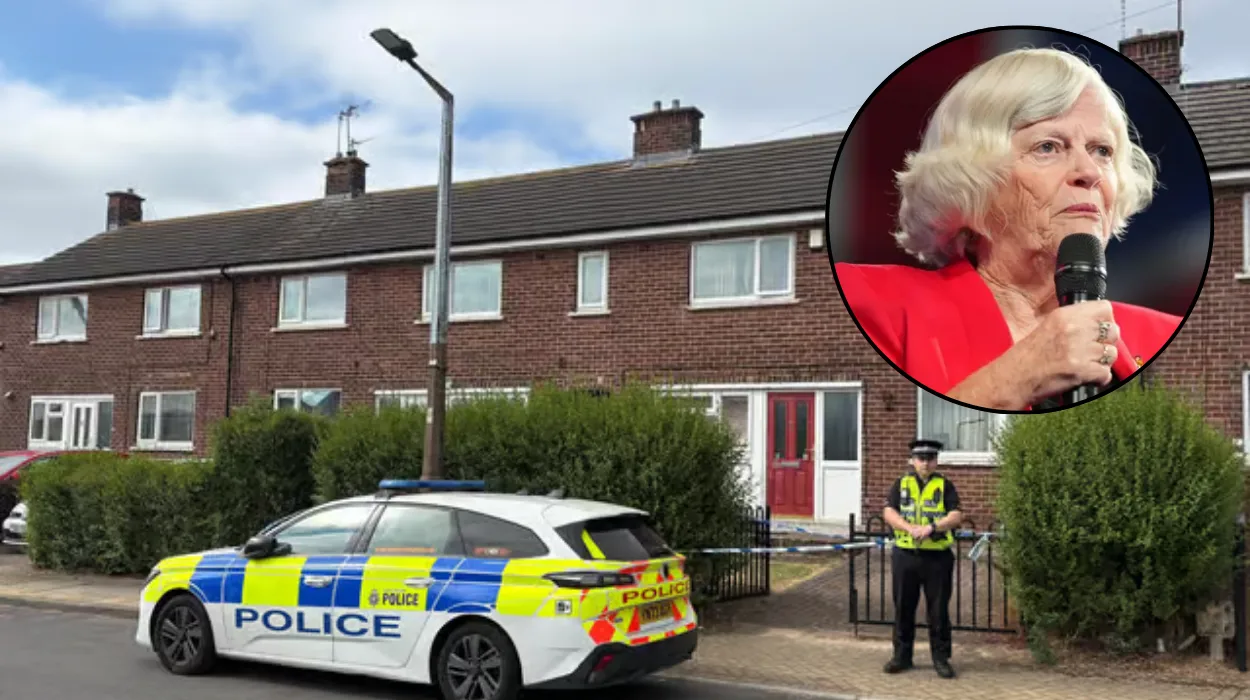
Key Points
- Police are continuing to question a man held on suspicion of murdering former Conservative minister Ann Widdecombe, with questioning now into a third day.
- A 28-year-old white British man from Rotherham, South Yorkshire, was arrested on suspicion of murder on Saturday.
- The same man was re-arrested on Monday on suspicion of the commission, preparation or instigation of acts of terrorism.
- Widdecombe, 78, a former Tory MP who became a Reform UK spokeswoman, was found dead at her home in Haytor, Devon, having sustained serious injuries.
- Devon and Cornwall Police believe she was attacked on Wednesday, with her body discovered the following day.
- Counter Terrorism Policing South East has taken over the investigation after “new information” reportedly came to light.
- Under ordinary police powers a suspect can be held for 96 hours before being charged; the Terrorism Act allows detention for up to 14 days.
- Home Secretary Shabana Mahmood told the House of Commons the suspect was not previously known to the Prevent anti-extremism programme.
- CCTV footage reportedly showed the suspect getting into a car in Yorkshire hours before Widdecombe is thought to have been attacked in Devon.
- Reform UK leader Nigel Farage and Prime Minister Sir Keir Starmer were among senior figures to pay tribute to Widdecombe following her death.
Haytor (Britain Today News) July 14, 2026 – Police are continuing to question a man arrested on suspicion of murdering the veteran politician Ann Widdecombe, as the investigation entered its third day of questioning on Tuesday. The 28-year-old suspect, from Rotherham in South Yorkshire, was initially detained over the weekend on suspicion of murder before being re-arrested on Monday under terrorism legislation, after Counter Terrorism Policing took charge of the inquiry from Devon and Cornwall Police.
- Key Points
- What Happened to Ann Widdecombe?
- Where and When Was Ann Widdecombe Found Dead?
- Who Is the Suspect in the Ann Widdecombe Murder Investigation?
- Why Have Counter-Terrorism Police Taken Over the Investigation?
- How Long Can the Suspect Be Held Without Charge?
- What Have Police Said About the Investigation So Far?
- What Has the Home Secretary Said About the Case?
- How Has the Political World Reacted to Ann Widdecombe’s Death?
- Who Was Ann Widdecombe?
- What Happens Next in the Investigation?
- Why Does This Case Matter for Politicians’ Security?
Widdecombe, 78, a former Conservative minister who latterly served as a spokeswoman for Reform UK, was found dead at her home in Haytor, on the edge of Dartmoor, having suffered serious injuries. Her death has prompted an outpouring of tribute from across the political spectrum and has reignited debate over the safety of politicians and former politicians in the United Kingdom.
What Happened to Ann Widdecombe?
Widdecombe was discovered dead at her home in Haytor, Devon, having sustained serious injuries consistent with a violent attack. Devon and Cornwall Police, who initially led the inquiry, launched a murder investigation and began piecing together her final movements. Officers believe she was attacked on Wednesday, with her body found by those close to her the following day. The force has not released full details of how the attack was carried out, citing the ongoing nature of the investigation and the need to protect its evidential integrity.
Where and When Was Ann Widdecombe Found Dead?
Widdecombe’s body was found at her home in Haytor, a village on the fringes of Dartmoor National Park in Devon, where she had lived for a number of years following her departure from frontline Westminster politics. Police have said the attack is understood to have taken place around midday on Wednesday, with the discovery of her body coming roughly a day later. Officers cordoned off the property in the days that followed, and floral tributes have since been left outside the house by members of the public and well-wishers.
Who Is the Suspect in the Ann Widdecombe Murder Investigation?
The man being questioned is 28 years old, white British, and from Rotherham in South Yorkshire — several hundred miles from the scene of the killing in Devon. He was first arrested on suspicion of murder on Saturday, with the arrest carried out by South Yorkshire Police and Counter Terrorism Policing North East acting on behalf of Devon and Cornwall Police. He remains in custody and has not, as of Tuesday, been charged with any offence. Police have said the suspect was captured on CCTV footage appearing to get into a car in Yorkshire shortly before 08:00 BST on Wednesday morning, hours before Widdecombe is thought to have been attacked in Devon later that day.
Why Have Counter-Terrorism Police Taken Over the Investigation?
On Monday, Counter Terrorism Policing South East confirmed it had assumed responsibility for the case, saying the decision followed the emergence of new information during what it described as a “dynamic and complex investigation.” The move marked a significant reversal, since Devon and Cornwall Police had initially said there was nothing to suggest the killing had been politically motivated. National Counter Terrorism Policing coordinator Laurence Taylor said the fresh arrest built on the “progress made” by colleagues at Devon and Cornwall Police, and that investigators were now working to establish the motivation behind the attack. He added that the priority was to progress the case swiftly, using all available resources, and appealed to the public to come forward with any relevant information.
How Long Can the Suspect Be Held Without Charge?
Under standard police powers in England and Wales, a person arrested on suspicion of murder can typically be held for up to 96 hours before a decision must be made on whether to charge them. However, the picture changes significantly once terrorism legislation is invoked. Under the Terrorism Act, a suspect can be detained for up to 14 days without charge, subject to judicial authorisation at various stages. Because the man in custody was re-arrested on Monday on suspicion of offences connected to the commission, preparation or instigation of acts of terrorism, investigators now have considerably more time to question him and build their case before any charging decision is made.
What Have Police Said About the Investigation So Far?
Devon and Cornwall Police, who led the initial response, described the case as moving at pace even before the handover to counter-terrorism specialists. Assistant Chief Constable Matt Longman said the force’s enquiry was in its “early stages” but was “moving at a significant pace”, adding that all necessary resources were being deployed to establish exactly what had happened. Since Counter Terrorism Policing assumed command of the investigation, officers have stressed that establishing a motive remains central to their work. A statement issued by the unit said new information and evidence had “come to light” during the course of what it called a complex inquiry, prompting the decision to widen the scope of the investigation into potential terrorism offences.
What Has the Home Secretary Said About the Case?
Addressing MPs in the House of Commons on Monday, Home Secretary Shabana Mahmood confirmed that the suspect held over Widdecombe’s death was not known to the government’s Prevent programme, which is designed to identify and support individuals at risk of being drawn into terrorism. Mahmood told the Commons that Widdecombe’s death raised broader questions about the security of individuals in public life, and indicated that police intended to issue fresh safety guidance to serving and former MPs in the near future. She also said the government body responsible for coordinating security for politicians had offered to meet Reform UK leader Nigel Farage, given his role as leader of the party Widdecombe represented at the time of her death.
How Has the Political World Reacted to Ann Widdecombe’s Death?
Tributes to Widdecombe have come from across the political divide since news of her death emerged. Nigel Farage, the leader of Reform UK, said in a statement that Widdecombe “gave her life to public service.” Prime Minister Sir Keir Starmer described her death as a “significant loss” and said it was a moment for politicians to “rise above any political differences.” Chris Philp, the Conservative Party’s shadow home secretary, told the Commons that the threat facing politicians in the United Kingdom “is clearly real,” pointing to the cases of other MPs who have previously been killed while carrying out their public duties. The reaction underlined the extent to which Widdecombe, despite having left frontline Commons politics more than a decade ago, remained a widely recognised and, in many quarters, respected figure in British public life.
Who Was Ann Widdecombe?
Widdecombe represented Maidstone, later Maidstone and The Weald, as the Conservative MP for the Kent seat for 23 years, from 1987 until she stood down at the 2010 general election. During her time in Parliament she held a series of ministerial roles under Sir John Major’s government, including as Minister of State at the Home Office with responsibility for prisons, and served subsequently as shadow Health Secretary and shadow Home Secretary. Widdecombe was widely regarded as one of the most outspoken and socially conservative voices of her political generation, known for her forthright views on issues ranging from law and order to assisted dying.
After leaving the Commons, Widdecombe became a familiar face on British television, appearing on the BBC’s Strictly Come Dancing in 2010, where she was partnered with professional dancer Anton du Beke and became a favourite with viewers despite low marks from the judges. She later appeared on Celebrity Big Brother in 2018, finishing as runner-up. A committed Eurosceptic, she backed the Vote Leave campaign ahead of the 2016 EU referendum and returned to frontline politics in 2019, joining the Brexit Party and winning election as its MEP for South West England, a seat she held until Britain’s departure from the European Union. She later joined Reform UK, the successor to the Brexit Party led by Farage, serving most recently as the party’s spokeswoman on immigration and justice.
Explore More about Politics:
Commons Committee Presses UK Gambling Commission on Financial Risk Assessment Policy
University of Aberdeen Investigates Staff Member Over Ann Widdecombe Death Comments
What Happens Next in the Investigation?
With the suspect now held under terrorism powers, investigators have considerably more time to question him and gather evidence before any decision is taken on whether to bring charges. Counter Terrorism Policing has indicated that establishing the motive behind the attack remains a central focus of the ongoing inquiry, alongside continuing forensic and CCTV work tracing the suspect’s movements between Yorkshire and Devon. The Home Office has signalled that broader questions about the security of politicians and former politicians are likely to be examined in the coming weeks, with new guidance expected to be issued to MPs. Police have repeated their appeal for anyone with information relevant to the investigation to come forward.
Why Does This Case Matter for Politicians’ Security?
Widdecombe’s death has intensified scrutiny of the protective arrangements available not only to serving MPs but to former parliamentarians and public figures who retain a high profile long after leaving office. Her case has drawn comparisons with previous attacks on British politicians, and MPs from across the political spectrum have used the case to renew calls for a review of how security support is allocated once individuals leave frontline politics but remain publicly recognisable. The Home Secretary’s commitment to issuing fresh guidance suggests the government regards the case as having implications that extend well beyond the individual investigation itself.