Key Points
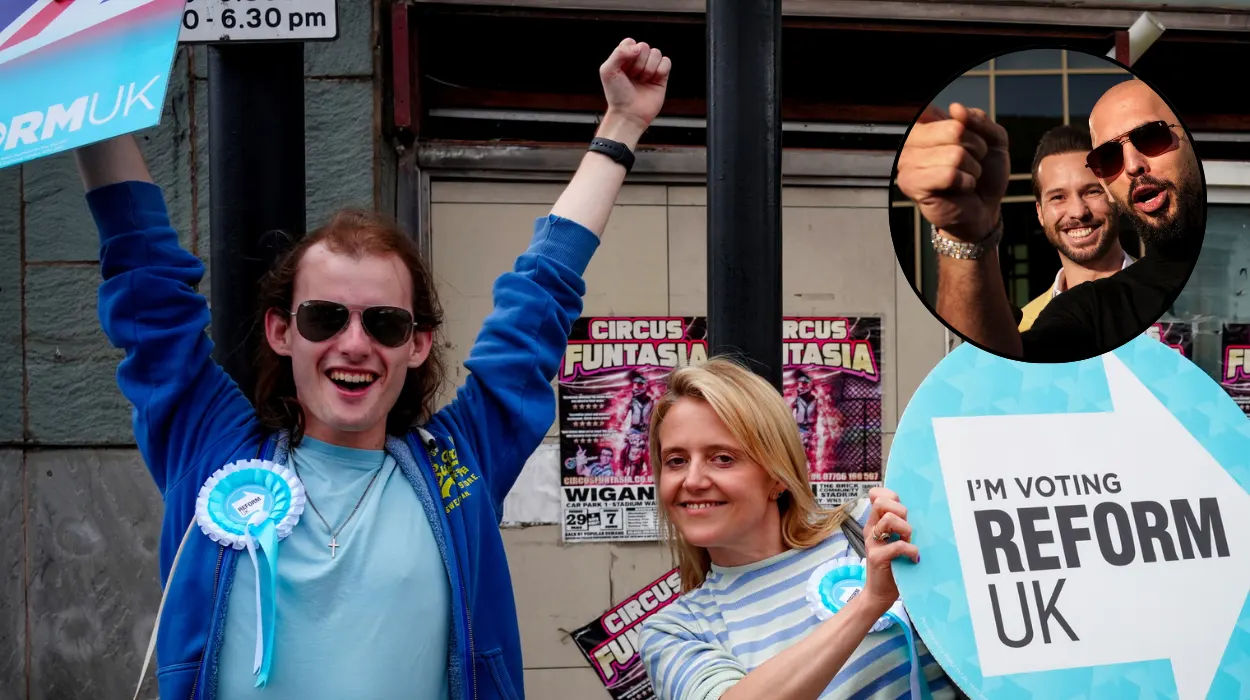
- A new study by the Institute for Public Policy Research (IPPR) analysing election data found that young men in the UK are not more rightwing than older age groups
- The analysis of British Election Study data, which polls approximately 30,000 people annually, showed age is a bigger determining factor in voters’ political opinions than gender
- Men aged 18 to 25 are less progressive than women of the same age but remain more progressive and less likely to vote for rightwing parties than any other age group of men
- Support for conservative parties among men aged 18 to 25 rose from about 18% in 2022 to just under 30% in 2025, mirroring the rise among older men
- Recent research from King’s College London showed 13% of young men aged 18 to 24 voted for Reform UK compared with just 6% of women in the 2024 general election
- Dr Chris Bick, lead author of the IPPR report, stated there is little evidence that young men are shifting rapidly to the right
- Young men remain the most progressive cohort of men across a raft of issues including immigration, race, women’s rights and homosexuality
- The gender gap among young voters is being driven more by younger women turning to the left than young men going right
- Analysts say politicians should rethink how they engage with young men who are sometimes written off as lost to misogynistic online influencers
- Some Labour MPs recently set up a group specifically to spread messages among young men and steer them away from “toxic influencers” like Andrew Tate
London (Britain Today News) June 18, 2026 – Young men in the UK are not turning to rightwing politics more than any other demographic, according to a comprehensive study of election data that undermines claims that this group has been a key driver of the recent success of parties such as Reform UK. The analysis challenges the dominant narrative that has concerned politicians and commentators alike in recent years, suggesting instead that age remains the most significant factor shaping political opinions rather than gender.
- Key Points
- What Does the New IPPR Study Reveal About Young Men’s Political Views?
- Why Have Politicians Warned About Young Men and Rightwing Politics?
- How Do Polls Show Young Men Supporting Rightwing Parties Compared to Young Women?
- What Has Happened to Conservative Party Support Among Young Men Since 2022?
- On Which Issues Are Young Men More Progressive Than Older Men?
- What Does Dr Chris Bick Say About the Gender Gap Among Young Voters?
- How Should Politicians Change Their Approach to Engaging Young Men?
- What Evidence Undermines Claims That Young Men Drive Reform UK’s Success?
- How Does This Study Compare to Other Research on Young Men and Politics?
- What Are the Implications for Progressive Politics in the UK?
- What Does This Mean for Future Electoral Strategy?
- How Has Media Coverage Shaped Perceptions of Young Men and Rightwing Politics?
- What Questions Remain Unanswered by the Study?
- Why This Study Matters for UK Politics
What Does the New IPPR Study Reveal About Young Men’s Political Views?
The analysis of data from the British Election Study, which polls about 30,000 people every year, showed age to be a bigger determining factor in voters’ political opinions than gender. And while men aged 18 to 25 are less progressive than women of the same age, they remain more progressive, and less likely to vote for rightwing parties, than any other age group of men.
Analysts at the Institute for Public Policy Research, which carried out the study, said the findings should prompt politicians to rethink how they engage with young men, who are sometimes written off as lost to misogynistic online influencers. The report, titled “A Generation Apart,” represents one of the most detailed examinations of generational political divides in recent British history.
Dr Chris Bick, the lead author of the report, said:
“There is a sense that young men are shifting rapidly to the right, but we have not found much evidence for that at all. They remain the most progressive cohort of men across a raft of issues”.
He added:
“If you are interested in advancing progressive politics, this is still a base of support for you. Politicians looking to appeal to younger voters will have to make sure they do not alienate this cohort by trying too much to appeal to older voters”.
Why Have Politicians Warned About Young Men and Rightwing Politics?
Many commentators have highlighted the apparent appeal of populist rightwing politics for young men in recent years in the UK and abroad. Politicians have warned about the rise of online influencers such as Andrew Tate who, as part of the so-called manosphere, have looked to appeal to young men with messages about aggression and misogyny.
Some Labour MPs have become so concerned about the political alienation of young men that they recently set up a group specifically to spread messages among that group and steer them away from “toxic influencers”. The group, predominantly made up of male MPs, urged the party to speak to men directly to tackle toxic masculinity.
The concern around young men and rightwing politics has not been limited to Britain. Across Europe and North America, politicians and researchers have debated whether young men represent a growing threat to progressive values or whether the narrative has been exaggerated by media coverage of isolated cases.
How Do Polls Show Young Men Supporting Rightwing Parties Compared to Young Women?
Polls showed populist rightwing parties were doing better with young men than with young women. Recent research from King’s College London showed 13% of young men aged between 18 and 24 voted for Reform UK compared with just 6% of women.
The gender gap was strongest among voters at either end of the political spectrum in the latest UK General Election, new analysis has found. A new study shows the 2024 General Election widened the gender divide, with men favoring Reform UK and women backing the Green Party. The gap was sharpest among 18-24-year-olds, with overall women leaning left and men right.
However, the IPPR research showed that, while young men have moved further to the right in recent years, they have only done so in line with other groups, and remained considerably more progressive as a bloc than other age groups. This crucial distinction suggests that the narrative around young men may have been overstated.
What Has Happened to Conservative Party Support Among Young Men Since 2022?
The data showed that support for conservative parties among men aged 18 to 25 rose from about 18% in 2022 to just under 30% in 2025. This mirrored the rise among older men, around 35% of whom supported conservative parties in 2022, compared with more than 50% last year.
More recently, men aged 18 to 25 have become about 5 percentage points more likely to support Reform UK since the election – far less than men and women of any older age group, among whom support for the party has surged. This finding directly contradicts claims that young men have been the primary drivers of Reform UK’s recent electoral success.
The parallel rise in conservative support among both young and older men suggests a broader political shift affecting all age groups rather than a specific phenomenon among young men. This pattern indicates that economic conditions, national events, and broader political trends may be more influential than gender-specific factors.
On Which Issues Are Young Men More Progressive Than Older Men?
On a series of issues, including immigration, race, women’s rights and homosexuality, young men are more progressive than older ones. They are, however, more conservative than women of the same age, with the gap between the sexes more noticeable among younger people than older ones.
This generational difference on key social issues demonstrates that young men, despite moving slightly rightward, still maintain substantially more progressive views than their older counterparts. The data suggests that age-based political divides remain more significant than gender-based divides when examining attitudes toward social policy.
The findings have important implications for political campaigning and policy development. Parties seeking to appeal to younger voters across gender lines may find more common ground than previously assumed, particularly on social issues where young men and women both lean more progressive than older generations.
What Does Dr Chris Bick Say About the Gender Gap Among Young Voters?
Bick said that while a gender gap had emerged among young voters on many issues, this was being driven more by younger women turning to the left than young men going right. Younger women are far more likely to support greater diversity in school curriculums, for example, or to believe that children’s television shows should portray more same-sex families than any other group.
“Young women are moving to the left more than young men are moving to the right,”
he said.
“Though that divergence is more noticeable in other countries”.
This perspective shifts the focus from concerns about young men’s radicalisation to the broader phenomenon of young women’s increasing political engagement on progressive issues.
The research suggests that the political gender gap among young voters represents a movement rather than a one-sided shift. While media attention has focused heavily on young men and rightwing politics, the equally significant movement of young women toward the left may represent a more substantial force in shaping future electoral outcomes.
How Should Politicians Change Their Approach to Engaging Young Men?
The findings should prompt politicians to rethink how they engage with young men, according to IPPR analysts. The report warns against writing off young men as lost to misogynistic online influencers, suggesting instead that they remain a potentially valuable base for progressive politics.
Politicians looking to appeal to younger voters will have to make sure they do not alienate this cohort by trying too much to appeal to older voters. This advice carries particular weight as the UK approaches potential future elections where younger voters could play a decisive role.
The approach of creating specific groups to targeted messaging to young men, as some Labour MPs have done, may need reconsideration. Rather than treating young men as a problem to be managed, politicians might find more success by engaging them on the issues where they already share progressive values with younger women and older progressives alike.
What Evidence Undermines Claims That Young Men Drive Reform UK’s Success?
The study undermines claims that young men have been a key driver of the recent success of parties such as Reform UK. While young men have shown increased support for the party, the increase has been far smaller than among older age groups of both men and women.
The surge in Reform UK support has been most pronounced among older voters, suggesting that the party’s growth stems from broader political discontent rather than specific attraction among young men. This finding challenges the narrative that has dominated media coverage and political commentary in recent months.
Researchers note that isolated cases of young men engaging with toxic online influencers should not be extrapolated to represent the broader demographic. The majority of young men, according to the data, continue to hold substantially more progressive views than older men across multiple policy areas.
How Does This Study Compare to Other Research on Young Men and Politics?
The IPPR research aligns with other recent studies examining young men’s political views. A study from UK in a Changing Europe argued that while the dominant narrative is that young men are the most likely to turn to far-right parties, the evidence does not support this.
However, some conflicting research exists. The Telegraph reported that Reform UK is most popular among Gen Z men, suggesting variation in how different studies measure and categorize young male voters. Another study found that rising male support for the far right represents a generational shift with potentially serious democratic consequences.
These variations in findings highlight the complexity of measuring political attitudes among young men and the importance of examining multiple data sources. The IPPR study’s use of the British Election Study’s large sample size of 30,000 people annually provides particular strength to its conclusions.
What Are the Implications for Progressive Politics in the UK?
For those interested in advancing progressive politics, young men remain “still a base of support,” according to Dr Bick. This conclusion offers hope for progressive parties that may have assumed young men were lost to rightwing politics.
The research suggests that progressive parties should not alienate young men by focusing too heavily on appealing to older voters. Instead, campaigns could emphasise issues where young men already share progressive values, including immigration policy, racial equality, women’s rights, and LGBTQ+ rights.
The gender gap among young voters, driven more by women moving left than men moving right, suggests that progressive parties might find success by appealing to both genders on shared generational priorities rather than treating young men as a separate problem category.
What Does This Mean for Future Electoral Strategy?
The findings carry significant implications for electoral strategy as UK parties prepare for future elections. With young men representing a potentially accessible constituency for progressive politics, parties may need to adjust messaging that assumes young men are automatically rightwing.
The parallel rise in conservative support among both young and older men suggests that broader economic and political factors may be more influential than gender-specific messaging. Parties addressing economic concerns, housing affordability, and employment opportunities may find success across age and gender lines.
The research also suggests that targeted approaches to engaging young men should focus on positive engagement rather than defensive measures against toxic influencers. Building on existing progressive values rather than attempting to counter wing narratives may prove more effective.
Explore More about Politics:
Controversy Grows Over Plan to Place Asylum Seekers in Isolated Village
Andy Burnham Gains Momentum as Right-Wing Infighting Boosts His PM Chances
How Has Media Coverage Shaped Perceptions of Young Men and Rightwing Politics?
Media coverage in recent years has increasingly highlighted connections between young men and右wing politics, often focusing on extreme cases of online influencer influence. The IPPR study suggests this coverage may have created a distorted picture of young men’s actual political preferences.
The focus on figures like Andrew Tate and the manosphere has drawn significant attention, but the data indicates these represent minority interests rather than mainstream young male opinion. Most young men, according to the research, continue to hold substantially more progressive views than older men.
This discrepancy between media narrative and empirical data raises questions about how political reporting should balance coverage of extreme cases with representative data about broader demographic trends.
What Questions Remain Unanswered by the Study?
While the IPPR study provides comprehensive data on voting patterns and issue attitudes, several questions remain unanswered. The research does not fully explain why younger women are moving left more rapidly than young men are moving right, beyond noting this divergence is more noticeable in other countries.
The study also does not address regional variations within the UK, which may show different patterns of young men’s political engagement. Scotland, Wales, and Northern Ireland may exhibit different trends than England regarding young men’s political attitudes.
Further research could examine the specific issues and policies that most strongly influence young men’s political decisions, providing more detailed guidance for political campaigners seeking to engage this demographic effectively.
Why This Study Matters for UK Politics
The IPPR study represents a crucial correction to overstated narratives about young men and rightwing politics in the UK. By demonstrating that age remains more significant than gender in determining political opinions, the research offers politicians a more nuanced understanding of young male voters.
The findings suggest that young men, despite modest rightward movement, remain the most progressive cohort of men across multiple issues. This conclusion provides hope for progressive politics while challenging politicians to develop more effective engagement strategies.
As UK politics continues to evolve, understanding the actual rather than assumed preferences of young voters will become increasingly important. The IPPR research provides a data-driven foundation for that understanding, challenging assumptions and offering evidence-based guidance for political strategy.
The study’s release on June 18, 2026, coincides with ongoing debates about generational politics and the future direction of British political parties. Its findings will likely influence campaigning strategies and policy development as parties seek to appeal to younger voters across gender lines.