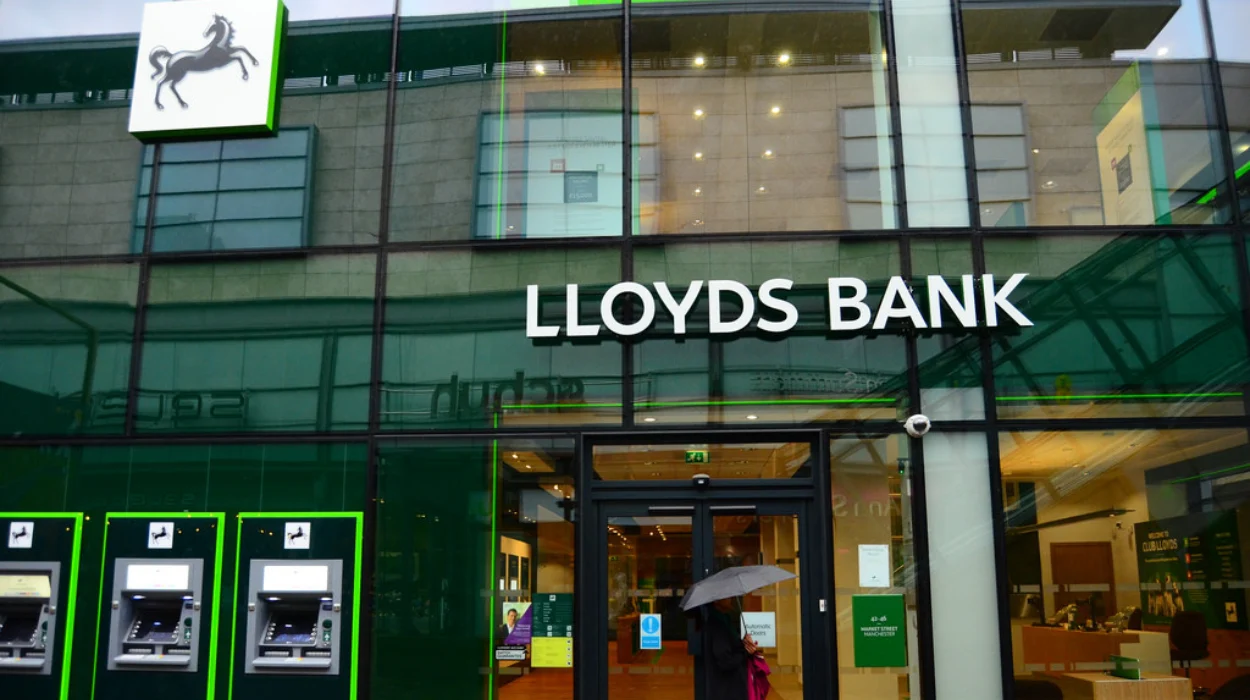
Lloyds Bank cheque deposit works through the mobile app, a branch counter, or a freepost service, and the process is designed to let customers pay in a cheque without using the Post Office for Lloyds Banking Group cheque deposits from 1 January 2026. This article explains the Lloyds cheque deposit process in clear steps, with the background, rules, timing, and practical details readers need.
- What is a Lloyds cheque deposit?
- Who is Annabel Yates in the Lloyds cheque deposit story?
- How do you deposit a cheque with Lloyds step by step?
- What should you check before depositing a cheque?
- How long does a Lloyds cheque take to clear?
- Where can Lloyds customers deposit cheques?
- Why does cheque clearing still matter in 2026?
- What are the most common cheque deposit mistakes?
- How does the Lloyds app cheque deposit feature work?
- What does the Annabel Yates case show about banking access?
- What should readers remember about Lloyds cheque deposits?
What is a Lloyds cheque deposit?
A Lloyds cheque deposit is the process of paying a cheque into a Lloyds Bank account by app, branch, or postal service, then waiting for the cheque clearing cycle to complete. Lloyds supports cheque deposits through its mobile banking app, branch network, and a freepost deposit service. Cheques remain a formal payment method in the UK, even as digital payments have become dominant, because some employers, insurers, government bodies, and private payers still issue them.
A cheque is a paper instruction that tells a bank to move money from the cheque writer’s account to the recipient’s account. The deposit step starts the clearing process, which is the banking cycle used to transfer funds between accounts. In Lloyds Banking Group, the practical deposit route depends on how the customer receives the cheque, how quickly they need funds, and whether they use mobile banking.
Who is Annabel Yates in the Lloyds cheque deposit story?
Annabel Yates became part of a wider UK banking discussion about cheque deposits after her difficulty paying in an HMRC cheque at a local branch was reported in May 2026. The case highlighted how Lloyds customers can use the app, a branch, or freepost, but not the Post Office for Lloyds cheque deposits under the 2026 update. Her case is relevant because it shows the gap between long-standing cheque habits and the modern rules used by large banks.
The broader issue is not the individual customer alone. It concerns access to basic banking services in rural areas, where branch availability, transport, and postal options affect whether a cheque can be deposited easily. The discussion also reflects the continuing importance of clear guidance on where Lloyds Banking Group customers can and cannot pay in cheques.
How do you deposit a cheque with Lloyds step by step?
To deposit a cheque with Lloyds, log in to the mobile app, choose the correct account, open the cheque deposit option, enter the amount, photograph the front and back of the cheque, review the details, and confirm the deposit. Lloyds also allows cheque deposits in a branch or by freepost. The app route is the fastest and most common digital method for personal customers.
The Lloyds app flow begins by selecting the account you want to pay the cheque into. You then choose the cheque deposit option, enter the exact cheque amount, and can add a reference for your own records. After that, the app asks for a photo of the front of the cheque and then the back, even if the back is blank.
The photo stage matters because the app checks image quality before submission. Lloyds instructs users to place the cheque on a flat surface with a dark background, hold the camera directly above it, and wait until a green border appears before the image is captured. The final stage is review and confirmation, which completes the submission.
What should you check before depositing a cheque?
Before depositing a cheque, confirm the name on the cheque, the amount, the date, the payee details, and the cheque’s validity period. Lloyds guidance and related banking tutorials show that the cheque must match the account details and be photographed clearly for successful deposit. A mismatch in name or an unclear image delays or blocks the deposit.
The cheque should be legible, undamaged, and not folded in a way that obscures text. The amount entered in the app must match the written cheque amount exactly, since banks use that figure to process the deposit. The customer should also keep the physical cheque until the bank confirms the funds, because the original paper may still be needed if a problem arises.
For practical use, this means checking four things first: the payee name, the amount, the date, and the condition of the paper. Those four checks reduce the risk of rejection and support a clean deposit. The process is simple, but accuracy is essential at every step.
Expolre more About Business:
Top Cadbury Chocolate Bars Ranked for Sweet Lovers 2026 UK
Ted Turner Net Worth in 2026: Assets, Income & Legacy
How long does a Lloyds cheque take to clear?
A cheque paid into a UK bank normally clears on the next working day after it is paid in, subject to the bank’s cut-off time and the method used. Lloyds and other UK banks use the cheque clearing cycle to move the money from the writer’s account to the recipient’s account. This cycle matters because deposit and availability are not always the same moment.
For many UK banks, deposits made after a late afternoon cut-off or on a weekend enter the clearing cycle on the next working day. That means a Friday evening deposit does not behave the same as a Monday morning deposit. The clearing time also explains why customers sometimes see a cheque appear in the account before the money is fully available.
Lloyds uses its app deposit history and account records to show deposit status and availability. The key practical point is that the cheque deposit is submitted immediately, while the cash value follows the bank clearing timeline. That distinction affects cash flow planning for bills, rent, and one-off payments.
Where can Lloyds customers deposit cheques?
Lloyds customers can deposit cheques through the mobile app, in a branch, or through Lloyds freepost cheque deposit services, while current guidance says the Post Office is not the standard route for Lloyds Banking Group cheque deposits from 1 January 2026. The exact route depends on the customer type and the bank’s current operational rules.
The app route suits routine personal deposits and works well when the customer has a smartphone and a clear cheque image. Branch deposits suit customers who need face-to-face support or have difficulty with app scanning. The freepost service gives another option for people who cannot visit a branch easily.
This choice matters in rural areas and for older customers, where branch closures and travel time create practical barriers. Annabel Yates’s case reflects that issue clearly, because the deposit problem became visible only when a local branch route did not match the customer’s expectation. Banking access is therefore part technical process, part service geography.
Why does cheque clearing still matter in 2026?
Cheque clearing still matters in 2026 because millions of UK payments still pass through legacy paper and imaging systems for business, government, and personal use. Lloyds keeps cheque deposit channels open because cheques continue to serve as a lawful and practical payment method. The system remains relevant where payers do not use bank transfer, card, or digital wallet methods.
The UK banking industry has long used the cheque clearing cycle to move funds between accounts. That infrastructure supports issued cheques from HMRC, insurers, employers, and private senders. It also helps explain why a cheque is not the same thing as an instant transfer.
For customers, the implication is straightforward. A cheque is still usable, but it demands a different timeline from Faster Payments or card receipts. Anyone relying on cheque income should plan around that delay, especially near weekends and bank holidays.
What are the most common cheque deposit mistakes?
The most common cheque deposit mistakes are entering the wrong amount, photographing only one side, using poor lighting, placing the cheque on a light background, and submitting a cheque with mismatched payee details. Lloyds instructions and related deposit guides show that image quality and accuracy decide whether the deposit succeeds. These errors are avoidable with a careful check before submission.
The first mistake is amount mismatch. The amount typed into the app must match the cheque exactly. The second mistake is poor image capture, especially when the cheque is not flat or the background is too bright. The third mistake is skipping the back image, even though the app requires both sides.
Another common issue is not waiting for confirmation before discarding the paper cheque. Lloyds guidance and banking practice support keeping the original until the deposit is settled and the account reflects the expected availability. That habit protects the customer if the cheque is questioned later.
How does the Lloyds app cheque deposit feature work?
The Lloyds app cheque deposit feature uses mobile image capture to read the cheque details, verify the amount, and submit the deposit digitally. The app asks for the front and back of the cheque, then stores the deposit in the account’s history. This is the core modern method for retail cheque banking at Lloyds.
The feature is designed to reduce branch visits. Lloyds markets the app as a banking tool for everyday tasks, and cheque deposit is one of its payment functions. For business users, the process is similar, with a deposit history screen that lets the customer track the transaction after upload.
The digital model matters because it changes the user experience from physical handing-in to self-service capture. That shift improves convenience for many users, but it also increases the need for careful image quality and accurate entry. The technology is simple at the surface and strict in the background.
What does the Annabel Yates case show about banking access?
The Annabel Yates case shows that cheque deposit access depends on bank rules, local branch availability, and customer awareness of current channels. It also shows that even basic banking tasks remain sensitive to service changes in 2026. The case is useful because it illustrates a common real-world issue rather than a rare technical fault.
It highlights the gap between what customers expect and what banks actually permit. Many people still assume the Post Office handles all bank cheques, but Lloyds Banking Group’s current guidance points customers to its app, branches, and freepost service instead. That difference matters for anyone in a remote area or anyone without easy phone access.
The wider implication is that evergreen banking guidance must stay current. A guide to cheque deposits remains useful only when it reflects the latest accepted channels, current app steps, and official bank rules. That is why process articles on banking need regular updates even when the underlying topic is old.
What should readers remember about Lloyds cheque deposits?
Readers should remember four essentials: use the Lloyds app or another official channel, enter the correct amount, photograph both sides clearly, and keep the cheque until the deposit clears. Lloyds provides app, branch, and freepost options, and the cheque clearing cycle still governs availability. Those four points cover the full practical journey from paper cheque to cleared funds.
For most users, the app is the fastest route because it combines convenience and tracking. For customers who need help, the branch remains the most direct face-to-face option. For customers in harder-to-reach areas, freepost service gives a postal route that fits the bank’s current system.
The most important planning rule is timing. Cheque deposits are not instant payments, so customers should avoid relying on them for same-day spending unless the funds have already cleared. That rule keeps budgeting realistic and prevents avoidable shortfalls.