Key Points
- Dunstall Park has added the BGBF British Bred Puppy Cup to its summer greyhound racing programme.
- The competition carries a £10,000 winner’s prize.
- The event will begin on Saturday, July 4, 2026, with the final scheduled for July 18, 2026.
- The race is open to 24 of the UK’s fastest British-bred greyhounds.
- Oxford Stadium had hosted the Category One event since 2023, but its closure created uncertainty over the race’s future.
- Arena Racing Company, which operates the Wolverhampton venue, has stepped in to preserve the competition.
- All six finalists will receive at least £1,000 in prize money.
- Dunstall Park General Manager Chris Black said British breeding is vital to the long-term sustainability of greyhound racing.
- The finals night will come just days before celebrations marking 100 years of greyhound racing in the UK.
- A special centenary event will be held on July 24, 2026, to mark the first official race at Belle Vue Stadium in Manchester in 1926.
- Dunstall Park’s summer schedule also includes themed race nights, a World Cup Warm-Up event on May 30, and screenings of England’s group stage matches in June.
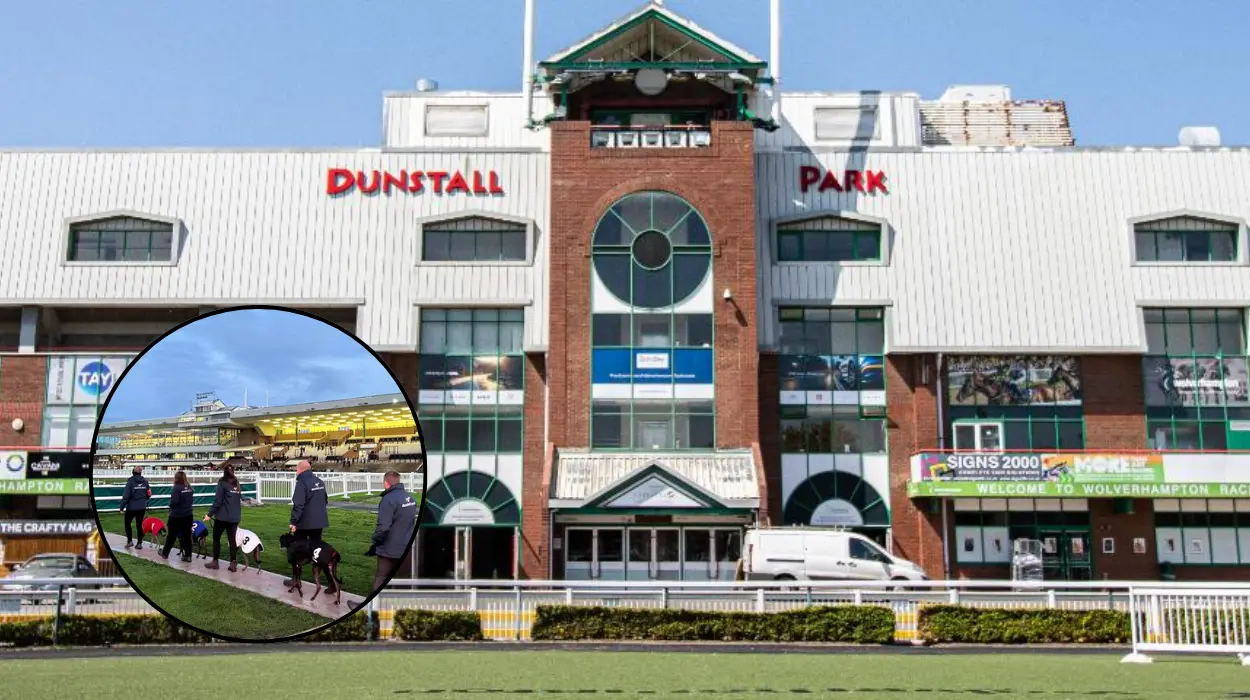
England (Britain Today News) April 22, 2026 – Dunstall Park has stepped in to keep the BGBF British Bred Puppy Cup on the greyhound racing calendar after the competition faced uncertainty following the closure of Oxford Stadium. The Wolverhampton track will stage the £10,000-to-the-winner event in July 2026, with the opening round set for Saturday, July 4 and the final due on July 18. The race will feature 24 of the UK’s fastest British-bred greyhounds and has been secured by Arena Racing Company, the operator of Dunstall Park, which has moved to ensure the Category One contest continues.
Dunstall Park has strengthened its summer programme by taking on one of greyhound racing’s key British-bred events, while also preparing for centenary celebrations that will highlight the sport’s long history in the UK. The venue’s move comes after Oxford Stadium’s closure left the future of the Puppy Cup in doubt, despite the race having been hosted there since 2023. By stepping in, Dunstall Park has not only protected the event’s continuity but also offered a wider boost to British-bred greyhound racing at a time when the sport is placing renewed emphasis on breeding, development and long-term sustainability.
Why has Dunstall Park taken on the Puppy Cup?
As reported by Chris Black, General Manager at Dunstall Park, the venue sees the event as an important statement of support for British breeding and the wider sport. He said:
“I don’t think we can underestimate the importance of British breeding and the value it brings to greyhound racing. It’s critical to the sport’s long-term sustainability and benefits those who dedicate their lives to finding the next champion.”
He added that the venue is proud to preserve the British Bred Puppy Cup on the Category One calendar and expects a high-quality contest, noting that the race has previously been won by “some superstar names”.
The decision also reinforces Dunstall Park’s growing role as a major summer racing destination. The track is using the event to underline its ambition to host meaningful competitions that matter both commercially and competitively. The additional guarantee that all six finalists will receive at least £1,000 further increases the race’s appeal and offers value to connections of the greyhounds involved.
What does the race mean for British breeding?
British-bred greyhounds remain a central talking point in the sport because of their importance to the pipeline of future racing talent. The Puppy Cup is specifically designed to showcase the fastest home-bred youngsters in the country, giving breeders, trainers and owners a prominent platform. Black’s comments reflect a wider view within the sport that breeding standards and domestic development are essential if greyhound racing is to remain sustainable in the years ahead.
The event’s return also sends a strong message after the uncertainty created by Oxford Stadium’s closure. Rather than losing a major race from the calendar, the competition has found a new home, ensuring continuity for one of the most recognisable British-bred greyhound contests. For the racing community, that continuity matters because it helps maintain prestige, planning and momentum across the season.
How important is the prize structure?
The £10,000 winner’s cheque makes the Puppy Cup a valuable summer target, but the wider payout structure is equally notable. By guaranteeing each of the six finalists a minimum of £1,000, Dunstall Park has added an incentive that recognises the quality required to reach the final stages. That approach can encourage stronger entries and reward owners and trainers even if they do not take the top prize.
Prize-money structure often shapes the standard of competition in greyhound racing, especially for Category One events. A fair return for finalists helps preserve interest from leading kennels and supports the economics behind breeding and training. In that sense, the event is not just a race; it is also part of the commercial and sporting framework that sustains the industry.
What happens on finals night?
The final on July 18 will be one of the headline nights in Dunstall Park’s summer calendar. It will also sit close to a major milestone for greyhound racing in Britain, with a special centenary celebration planned for July 24 to mark 100 years since the first official race at Belle Vue Stadium in Manchester in 1926. That timing gives the Puppy Cup added significance, placing it within a historic week for the sport.
The venue is clearly aiming to combine elite racing with a broader entertainment offer. Dunstall Park has described the coming months as a busy period, with themed race nights and football-linked events helping to widen its appeal beyond core racing followers. The final night for the Puppy Cup is therefore likely to be part of a larger festival-style atmosphere rather than a standalone sporting contest.
What else is on Dunstall Park’s summer schedule?
Dunstall Park’s summer programme includes a World Cup Warm-Up event on May 30 featuring former footballer Steve Bull. The venue will also screen England’s group stage matches in June, adding a football dimension to the racing schedule. These events suggest a push to attract a broader audience and create a more varied summer offering for visitors.
Chris Black said the centenary celebrations would cap a busy first summer for the track, with the venue committed to delivering memorable experiences both on and off the track. That statement points to a strategy built on live sport, community appeal and event-led attendance. The greyhound meetings remain central, but the wider programme is being designed to keep the track relevant across multiple audiences.
Why does this matter for the sport?
The decision to save the Puppy Cup from disappearing from the calendar matters because it preserves a recognised competition at a time when greyhound racing continues to balance tradition, economics and public interest. Keeping a Category One event alive helps protect the sport’s competitive structure and gives British-bred greyhounds a major stage. It also reinforces the role of specialist venues in safeguarding events when host tracks change or close.
In practical terms, the move by Dunstall Park helps maintain confidence among trainers, breeders and owners who need certainty when planning around the racing calendar. In symbolic terms, it shows that major venues are still willing to step in to protect established competitions. That combination of continuity and ambition is likely to make the Puppy Cup one of the more closely watched greyhound events of the summer.