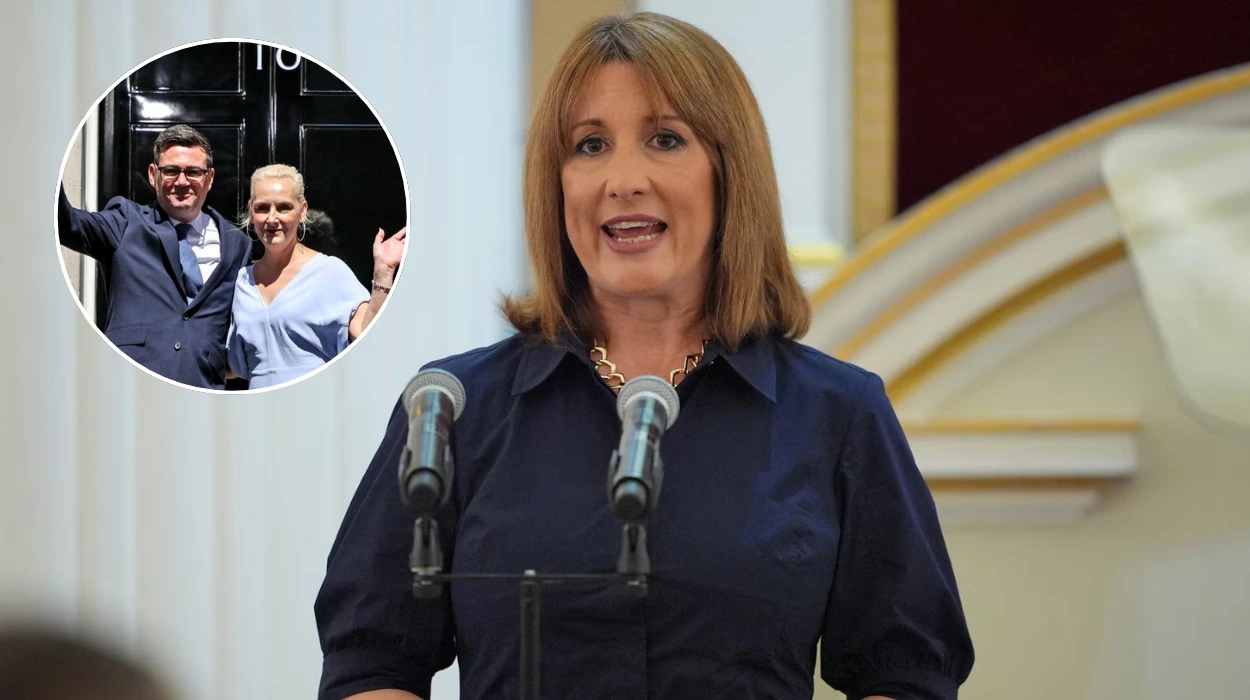
Key Points
- Rachel Reeves has left the UK government following Andy Burnham’s appointment as prime minister.
- Reeves had been serving as Britain’s finance minister (Chancellor of the Exchequer) before stepping down.
- Her departure came on Monday, with the announcement made public on the social media platform X.
- In her statement, Reeves wished “the very best of luck” to her successor, to Burnham and his cabinet.
- She pledged her “full support” to the new Labour government and committed to helping it “deliver the change the country needs.”
- Reeves framed her exit as a continuation of service to Labour, signalling she will remain active in supporting the government’s reform agenda.
- The transition marks an early reshaping of the top economic brief under Burnham’s leadership.
- Reeves’ message on X underscored party unity and an emphasis on stability as the government moves into its next phase.
- Her resignation closes a significant chapter in Labour’s economic policy stewardship at the Treasury.
- The timing of her departure highlights the wider ministerial changes associated with Burnham’s move into Number 10.
London (Britain Today News) July 20, 2026 – Britain’s finance minister Rachel Reeves has left the government following Andy Burnham’s elevation to prime minister, using a statement on X to wish her successor and the new Labour cabinet “the very best of luck” while promising her “full support” and continued work to help the government “deliver the change the country needs.”
- Key Points
- Why has Rachel Reeves left the UK government?
- What exactly did Rachel Reeves say in her statement?
- How does Andy Burnham’s new role as prime minister affect Reeves’ position?
- What is the significance of Reeves stepping down from the finance minister role?
- How did Reeves frame her future role in relation to the Labour government?
- Why did Reeves use X to announce her departure from government?
- What does Reeves’ departure mean for Labour’s economic agenda?
- How does Reeves’ exit fit into the tradition of ministerial reshuffles after leadership changes?
- What does this development signal about the broader political climate?
- How are Reeves’ words likely to be interpreted by party members and the public?
Why has Rachel Reeves left the UK government?
Rachel Reeves’ departure from government comes directly in the wake of Andy Burnham becoming prime minister, marking a significant reorganisation of senior ministerial roles under the new Labour leadership. Although the brief statement issued on X did not spell out a detailed rationale, her exit aligns with the customary reshuffle and re‑allocation of top offices that often follows a change at the very top of government.
By confirming that she has left her position as finance minister, Reeves has signalled she will no longer lead economic policy from the Treasury, even as she continues to support Labour’s wider programme from outside the government front bench. Her language suggests a managed transition rather than an abrupt rupture, emphasising stable handover and party unity as Burnham settles into office.
What exactly did Rachel Reeves say in her statement?
Reeves set out her position in a concise message on X, the platform formerly known as Twitter. In that post, she said:
“I wish the very best of luck to my successor, Andy and his cabinet. You have my full support, and I will continue to play my part in helping this Labour government deliver the change the country needs.”
Her choice of words stresses continuity and support rather than criticism or distance, underscoring that she intends to remain engaged in Labour’s project even after stepping away from the finance minister role. The public pledge of backing for Burnham and his team is likely designed to reassure markets, party members and voters that the transition in the Treasury will be orderly and aligned with Labour’s broader goals.
How does Andy Burnham’s new role as prime minister affect Reeves’ position?
Andy Burnham’s move into Number 10 has triggered a reshaping of senior positions within the Labour government, including the role of finance minister, which Reeves has now vacated. In Westminster practice, a new prime minister typically re‑confirms or replaces key cabinet posts to reflect their priorities and their preferred team at the top of government.
Reeves’ decision to leave government is closely linked to this shift in leadership, with her announcement framing the change as a handover to a successor who will work directly with Burnham in setting economic direction. By expressing full support for Burnham and his cabinet, she has positioned her departure as part of a broader realignment rather than as a challenge to the new prime minister’s authority.
What is the significance of Reeves stepping down from the finance minister role?
As finance minister, Rachel Reeves held one of the most powerful positions in the UK government, responsible for the country’s fiscal policy, tax decisions and overall economic strategy. Her exit therefore marks the end of a notable period of Labour stewardship at the Treasury and opens the way for a new figure to set the tone on spending, investment and economic reform under Burnham’s leadership.
The timing of her resignation, announced publicly after Burnham’s rise to the premiership, underscores that the change is not merely administrative but politics, reflecting the new balance of authority and personalities at the top of the government. For Labour, it also represents a moment to recalibrate its economic message while maintaining the emphasis on “change” that Reeves reiterated in her statement.
How did Reeves frame her future role in relation to the Labour government?
Despite leaving government, Reeves was explicit that she intends to remain involved in Labour’s efforts to deliver reforms, emphasising that she will
“continue to play [her] part in helping this Labour government deliver the change the country needs.”
That phrasing suggests an ongoing role within the party or its wider political project, even if not in the formal capacity of finance minister.
Her public offer of “full support” to Burnham and his cabinet points to a desire to maintain party cohesion and to avoid any impression of division at a sensitive moment of transition. In practice, this may mean Reeves remains influential in shaping policy or campaigning, albeit from outside the front‑line ministerial ranks.
Why did Reeves use X to announce her departure from government?
Reeves’ decision to use X reflects the growing tendency for senior politicians to communicate directly with the public via social platforms, particularly for time‑sensitive announcements. Posting on X allows quick dissemination of her statement, ensures it is recorded in her own words, and provides an immediate, shareable record of her position.
For a finance minister, whose words can influence markets and public expectations, using a widely followed channel such as X allows a controlled and concise message that can be quoted accurately by other outlets and commentators. Her brief, carefully worded post aligns with professional guidance that news‑related communications should be clear, neutral in tone and free of unnecessary opinion.
What does Reeves’ departure mean for Labour’s economic agenda?
Labour’s economic agenda, which Reeves helped shape during her tenure as finance minister, will now be carried forward by her successor under Burnham’s premiership. While her statement did not go into policy detail, the emphasis on “deliver[ing] the change the country needs” suggests she expects continuity in the government’s broad direction, even as new hands take responsibility for day‑to‑day decisions.
The transition could bring adjustments in tone or emphasis, particularly on tax, spending and investment, as a new finance minister sets priorities in line with Burnham’s agenda. However, Reeves’ pledge of full backing has been framed in a way that reinforces the idea of a collective Labour project rather than a personal programme now being abandoned.
How does Reeves’ exit fit into the tradition of ministerial reshuffles after leadership changes?
In the UK system, significant changes at the top of government are frequently accompanied by reshuffles of senior posts, especially roles such as finance minister that sit at the heart of the cabinet. Reeves leaving her position at the time Burnham becomes prime minister fits within that pattern of leadership consolidation and team building.
Such movements are often intended to give a new prime minister room to appoint trusted allies or to adjust the balance of experience and political support within cabinet. Reeves’ statement, stressing goodwill and support, aligns her departure with this conventional process rather than presenting it as a point of contention or crisis.
Explore More about Politics:
Andy Burnham to Scrap UK Digital ID Scheme
Sadiq Khan Peerage Sparks Divided Reactions in London Politics
What does this development signal about the broader political climate?
The orderly tone of Reeves’ announcement, combined with her explicit endorsement of Burnham and the incoming cabinet, signals a desire within Labour to project stability at a moment of high political visibility. At the same time, the change at the Treasury indicates that the party is open to recalibrating how it delivers on promises of economic “change” under new leadership.
With a new prime minister in place and a new finance minister to be named, the coming period is likely to be closely watched by investors, public services and households for signs of continuity or shift in policy. Reeves’ pledge to keep “play[ing] [her] part” suggests she aims to remain a recognised voice within that broader conversation, even outside government.
How are Reeves’ words likely to be interpreted by party members and the public?
For party members, Reeves’ message will likely be read as a signal of unity and discipline, emphasising shared responsibility for delivering change rather than individual office‑holding. Her warm wishes for her successor and explicit support for Burnham aim to minimise speculation about internal friction.
Among the wider public, the brevity and clarity of the statement may foster a perception of a managed transition at the top of the government’s economic team, rather than a sudden or unexplained departure. By stating clearly that she will remain active in helping Labour govern, Reeves has sought to reassure supporters that her departure is a re‑positioning rather than an exit from political life.