
Key Points
- A British Airways Boeing 787-10 Dreamliner operating flight BA75 to Lagos, Nigeria, became stuck in mud at London Heathrow Airport on Tuesday, November 17, 2026.
- The aircraft, registered as G-ZBLF, pushed back from Terminal 5, Gate C56, and veered onto a grass verge while taxiing towards Runway 27L ahead of its scheduled morning departure.
- Up to 215 passengers were on board when the aircraft’s nose wheel became wedged in the soft turf, prompting an immediate emergency response from airport fire and rescue crews.
- No injuries were reported among passengers or crew; travellers disembarked safely via mobile airstairs and were transported back to the terminal via shuttle buses.
- British Airways cancelled flight BA75 as well as the return service from Lagos to London, issuing an apology and arranging onward travel for affected customers.
- Airport sources cited in UK media suggested pilot error may have contributed to the taxiway excursion, though no official cause has been confirmed.
- The incident follows another British Airways operational event at Heathrow four days earlier, when an Airbus A321neo arriving from Amsterdam suffered a double tail strike during a landing attempt currently under investigation by the Air Accidents Investigation Branch (AAIB).
LONDON (Britain Today News) — November 17, 2026 — A British Airways Boeing 787-10 Dreamliner preparing for a long-haul departure to Lagos, Nigeria, became immobilised in mud at London Heathrow Airport on Tuesday morning after rolling off a paved taxiway. As reported by TOI World Desk of The Times of India alongside UK aviation outlets including the Evening Standard, The Independent, and AIRLIVE, flight BA75—carrying as many as 215 passengers—was cancelled following the ground excursion. Emergency crews responded swiftly to the scene, confirming zero injuries while ground teams worked to disembark passengers and recover the wide-body jet.
What Happened to the British Airways Dreamliner at Heathrow?
As reported by TOI World Desk of The Times of India, the British Airways Boeing 787 Dreamliner was preparing to operate flight BA75 from London Heathrow to Lagos, Nigeria, on Tuesday, November 17, 2026, when it veered off a taxiway onto a grass verge, causing its nose wheel to sink into muddy ground. Additional operational details reported by AIRLIVE and Travel Gossip noted that the five-year-old Boeing 787-10 aircraft—bearing registration G-ZBLF—had pushed back from Terminal 5, Gate C56, and was taxiing towards Runway 27L ahead of its scheduled morning departure around 10:40 a.m. local time when the excursion occurred.
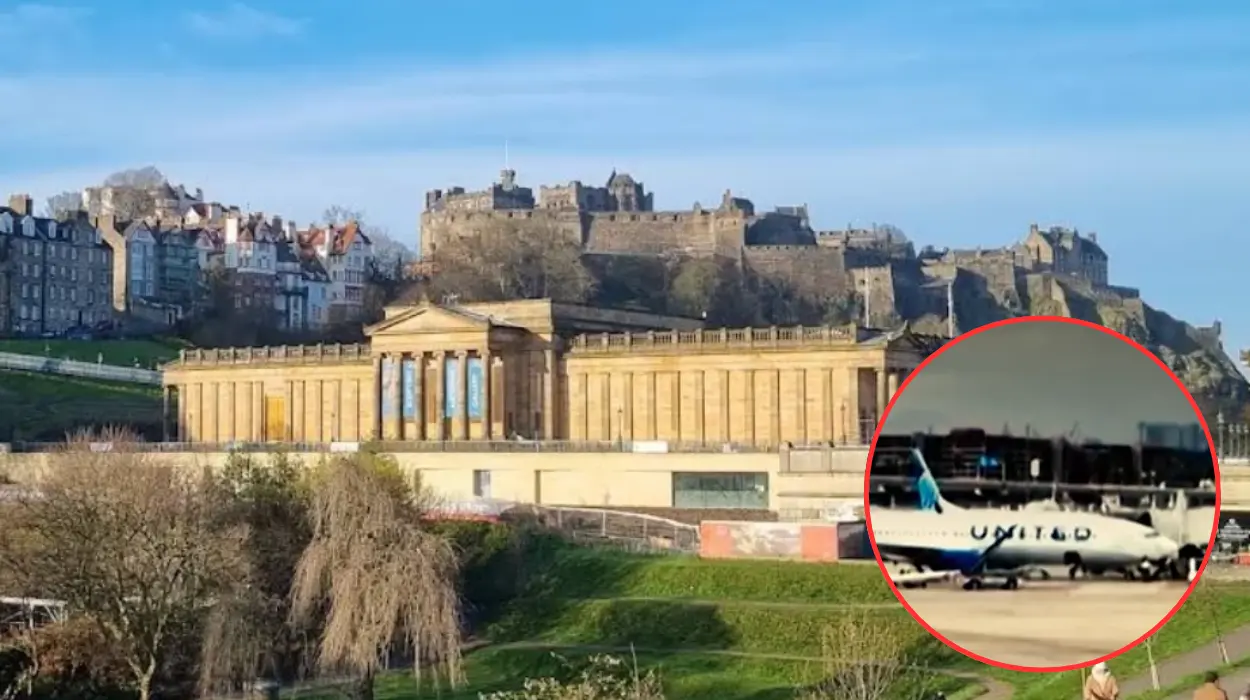
Photographs from the airfield showed the jet’s nose wheel twisted at a sharp right angle and bogged down in the wet turf alongside the tarmac. According to passenger accounts cited by AIRLIVE, the flight deck addressed the cabin immediately following the sudden halt, with the pilot informing travellers that “the nosewheel has ended up in the grass”.
Airport emergency services and fire and rescue vehicles surrounded the immobilised wide-body aircraft. As noted by Paddle Your Own Kanoo, ground handlers initially waited for the aircraft to stop sinking into the soft ground before safely positioning mobile airstairs alongside the fuselage. All passengers—reported by The Times of India and the Evening Standard to number as many as 215—disembarked safely onto the tarmac without injury and were transferred back to the terminal building aboard shuttle buses.
What Have British Airways and Heathrow Officials Said About the Disruption?
Following the excursion, British Airways officially cancelled Tuesday’s outbound flight BA75 to Murtala Muhammed International Airport in Lagos, alongside the scheduled return flight to London that was slated to be operated by the same aircraft.
In an official statement reported by the Evening Standard and Paddle Your Own Kanoo, a British Airways spokesperson stated, “We’re very sorry to our customers for the disruption to their flight. Our teams are working to get them on their way as quickly as possible and are in touch with them to put things right”.
Meanwhile, airport authorities confirmed that emergency personnel assisted with recovery efforts while keeping the rest of the hub operational. As cited by the Evening Standard, a Heathrow Airport spokesperson stated, “We’re assisting an aircraft back to stand after it left the taxiway earlier this morning. No one was injured and we’re supporting the airline involved. There is no impact on wider operations”. Despite that assessment, flight-tracking data from FlightRadar24 cited by Travel Gossip indicated knock-on delays of roughly an hour across some morning services, with approximately 52% of Heathrow departures experiencing delays during the day.
What Is the Suspected Cause and Recent Context Surrounding British Airways Operations?
While neither the airline nor aviation regulators have formally established the technical cause of Tuesday’s taxiway excursion, anonymous airport sources quoted by The Sun and cited by Travel Gossip and The Times of India pointed toward potential human error. As quoted by Travel Gossip, an airport source stated, “Bafflingly, the plane appears to have simply been driven off the tarmac onto a grass verge. It is hard to understand what could be to blame for this, other than a most basic pilot error”.
As highlighted by TOI World Desk of The Times of India, the ground incident occurred just days after another British Airways aircraft experienced an operational mishap at Heathrow. On the preceding Thursday, November 12, 2026, a British Airways Airbus A321neo arriving from Amsterdam suffered a double tail strike while attempting to touch down at the airport. During that incident, the flight crew aborted the landing, executed a go-around manoeuvre, and landed safely on their second approach. Regarding that earlier event, a British Airways spokesperson stated—as recorded in BBC broadcast coverage—that “The aircraft landed safely and we’re assisting the AAIB with its investigation and are legally unable to comment further at this stage”. Furthermore, aviation analysts noted that British Airways has faced ongoing long-haul fleet constraints, with another Dreamliner (registration G-ZBJF) remaining grounded in Pittsburgh since August 2026 following a catering truck collision that damaged its composite fuselage.
Background of the Particular Development
Low-speed taxiway excursions—where an aircraft’s landing gear leaves the paved surface of a taxiway or apron—are recognised aviation safety events often linked to cockpit workload during pre-departure checklists, tight turning radii on complex airfield layouts, reduced visibility, or wet tarmac conditions. At high-density international hubs like London Heathrow, where heavy wide-body aircraft navigate narrow taxiways bordered by rain-softened grass verges during autumn and winter months, a nose-wheel departure from concrete frequently results in immediate immobilisation. Recovery requires specialised airfield towing equipment and structural inspections of the nose gear and fuselage before the aircraft can return to commercial service.
Prediction
This operational incident could place short-term scheduling pressure on British Airways’ long-haul fleet and prompt heightened internal review of ground taxi procedures at Heathrow Airport. For the particular audience of international passengers travelling between London and West Africa—as well as broader long-haul British Airways customers—the temporary removal of Boeing 787-10 G-ZBLF for undercarriage inspections and mud extraction may cause tight aircraft rotation schedules or minor rebookings across the carrier’s Dreamliner network over the coming days. Simultaneously, airport safety teams and flight operations managers will likely review taxiway guidance protocols and cockpit briefing procedures ahead of peak winter travel conditions to prevent similar ground excursions.