Key Points
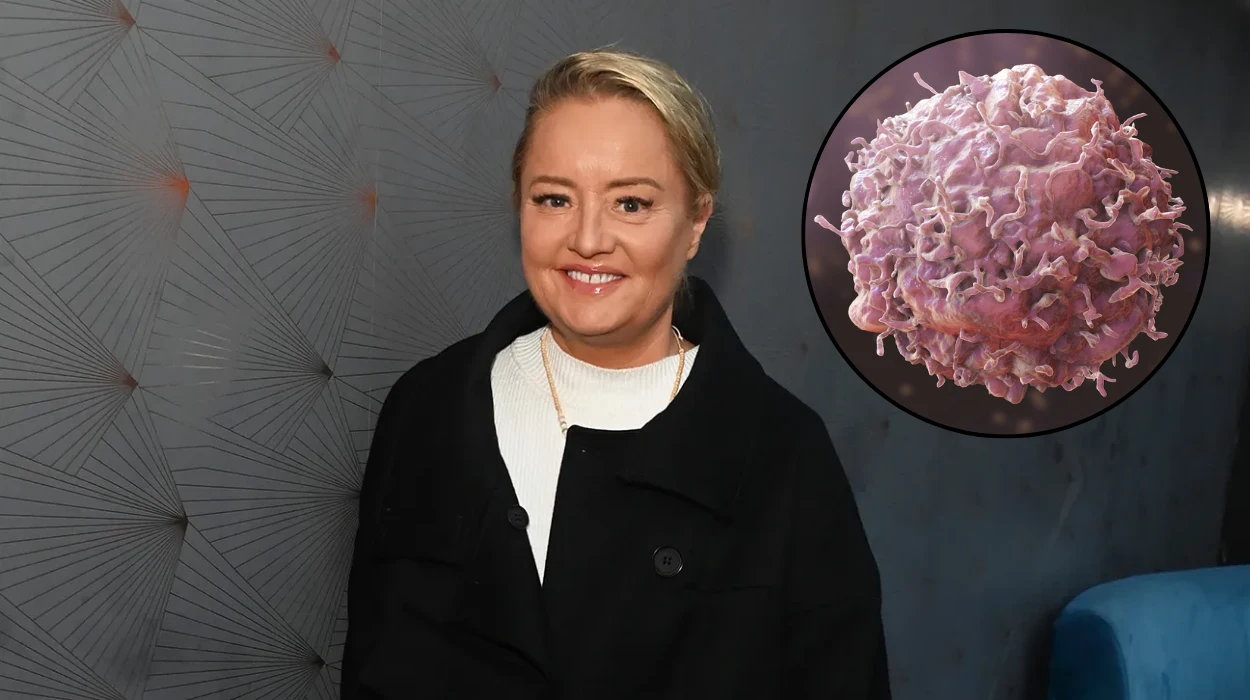
- The UK comedy star Lucy Davis, 53, who was known as Dawn Tinsley in the show “The Office”, has revealed she has incurable, terminal stage 4 breast cancer.
- She announced the news on social media Tuesday (11 August 2026) and revealed the diagnosis was uncovered around a year and a half ago, with the cancer now spread to her bones – notably, to her spine, right hip and ribs.
- Davis said it’s “too late for chemo” and that at times, she requires the help of a wheelchair because of her extreme pain.
- The first symptom was a “tiny” hard spot, not the typical lump, which she almost didn’t get checked for, she said.
- The actress said she is determined to live out the rest of her life “in as fun a way as I can” and that she has had “teachable moments” from her cancer battles.
- Davis starred as Dawn Tinsley in 14 episodes of the original BBC series “The Office” (2001-2003), and the American series later used the character as “Pam Beesly” in the role played by Jenna Fischer.
- Other notable appearances include Dianne in “Shaun of the Dead” (2004), Etta Candy in “Wonder Woman” (2017) and Hilda Spellman in Netflix’s “The Chilling Adventures of Sabrina” (2018–2020).
- As a popular figure in British comedy and genre film, the announcement has garnered tributes and concern from her fans and colleagues alike.
London (Britain Today News) August 12, 2026 – Lucy Davis, the English actress best known for her role as receptionist Dawn Tinsley in the original UK version of “The Office”, has publicly disclosed that she is living with terminal, incurable Stage 4 breast cancer. In a social media post published on Tuesday, 11 August 2026, the 53-year-old said the disease was diagnosed around a year and a half ago and has since spread to her bones, including her spine, right hip and ribs, leaving chemotherapy no longer viable.
- Key Points
- What did Lucy Davis say about her cancer diagnosis?
- How did Lucy Davis describe living with terminal cancer?
- Who is Lucy Davis and why is she famous?
- Which major roles has Lucy Davis played beyond ‘The Office’?
- Why did Lucy Davis almost ignore the first sign of cancer?
- How has the entertainment industry reacted to Lucy Davis’s news?
- What does Stage 4 breast cancer mean in medical terms?
- How has Lucy Davis’s career influenced British comedy and film?
- What can fans and the public learn from Lucy Davis’s story?
- What is next for Lucy Davis and her loved ones?
What did Lucy Davis say about her cancer diagnosis?
Davis wrote that
“A year and a half ago I was diagnosed with Stage 4 Breast Cancer, which has metastasised to my bones. Specifically to my spine, right hip, and my ribs.”
She added:
“The cancer is incurable, and too late for chemo.”
In the same message, she explained that the initial symptom was subtle:
“The initial lump that I felt wasn’t a ‘lump’ as such; rather a kind of hard spot. Really tiny,”
She wrote, noting she almost did not seek medical attention for it.
Davis also described the physical toll of her condition, revealing that
“The pain can really be something else”
and that she sometimes requires a wheelchair to get around. Despite this, she emphasised a determination to make the most of the time she has left, writing:
“As of now, I’m trying to live out whatever might be left of my life in as fun a way as I possibly can.”
How did Lucy Davis describe living with terminal cancer?
In her statement, Davis framed her diagnosis as a source of difficult but meaningful lessons.
“I always like to find the teachable moments in anything negative that happens. And cancer has not disappointed in that regard; there’s a lot I have learned from it, and I’m grateful for that,”
She wrote. Her message struck a tone of resolve rather than despair, focusing on gratitude and the value of everyday experiences in the face of a life-limiting illness.
Colleagues and fans have since responded with messages of support, reflecting the affection in which she is held across British television and film communities.
Who is Lucy Davis and why is she famous?
Lucy Clare Davis, born on 17 February 1973, is an English actress and comedian whose breakthrough came as Dawn Tinsley, the quiet, artistically inclined receptionist at the Slough branch of the Wernham Hogg Paper Company in Ricky Gervais and Stephen Merchant’s mockumentary sitcom “The Office”. She appeared in 14 episodes of the BBC Two series between 2001 and 2003, helping to define the show’s understated, painfully realistic comedy style.
When “The Office” was adapted for US audiences in 2005, the Dawn character was reimagined as Pam Beesly, played by Jenna Fischer, but Davis’s original performance remains a touchstone for fans of the British version. Beyond “The Office”, she has built a varied career across film, television and radio, with roles in cult comedy, superhero cinema and fantasy drama.
Which major roles has Lucy Davis played beyond ‘The Office’?
Davis’s filmography includes several high-profile projects that have cemented her status in British and international popular culture. In 2004, she appeared as Dianne in Edgar Wright and Simon Pegg’s zombie comedy “Shaun of the Dead”, playing a ditzy aspiring actress caught up in the early stages of an undead outbreak. The film has since become a genre classic, and Davis’s performance is frequently cited among its memorable supporting turns.
In 2017, she took on the role of Etta Candy in Patty Jenkins’s “Wonder Woman”, marking the character’s first live-action appearance in a major feature film. As Etta, a sharp-witted secretary and ally to Diana Prince in wartime London, Davis brought warmth and comic timing to the DC superhero origin story.
On television, she is also known for playing Hilda Spellman, the pragmatic and protective aunt of Sabrina, in Netflix’s
“The Chilling Adventures of Sabrina”
from 2018 to 2020. In radio, she has portrayed Hayley Jordan in the long-running BBC Radio 4 soap opera “The Archers”, adding another dimension to her work in British storytelling.
Why did Lucy Davis almost ignore the first sign of cancer?
Davis’s account of her diagnosis highlights how easily early warning signs can be overlooked, especially when they do not match the stereotypical image of a breast cancer “lump”. She described the first indication as “a kind of hard spot. Really tiny”, which she initially dismissed. In interviews and coverage summarising her post, she indicated that she
“Almost didn’t bother getting what felt like a small hard spot on her breast checked out”.
before eventually seeking medical advice.
Her experience underscores public health messaging that encourages people to report any unusual changes in breast tissue, however small, and not to rely solely on the presence of a large, obvious lump.
How has the entertainment industry reacted to Lucy Davis’s news?
Following the publication of Davis’s statement, tributes and messages of support began circulating across social media, with fans, co-stars and industry figures expressing shock and admiration for her candour. Colleagues from “The Office”, “Shaun of the Dead” and other projects have been reported to share private and public messages of solidarity, though many have respected her privacy by keeping detailed comments limited.
Media coverage in outlets such as the Guardian and ABC News has focused on both the gravity of her diagnosis and the dignity with which she has chosen to share it. Commentators have noted how her emphasis on “teachable moments” and living “in as fun a way” as possible resonates with audiences facing serious illness, as well as with those who have grown up watching her work.
What does Stage 4 breast cancer mean in medical terms?
Stage 4 breast cancer, also known as metastatic breast cancer, refers to disease that has spread beyond the breast and nearby lymph nodes to distant parts of the body, such as bones, liver, lungs or brain. In Davis’s case, she specified that the cancer has metastasised to her spine, right hip and ribs.
At this stage, the condition is generally considered incurable, with treatment focused on controlling growth, managing symptoms and maintaining quality of life for as long as possible. Davis’s statement that it is “too late for chemo” suggests that, in her medical team’s assessment, standard chemotherapy would offer limited benefit relative to its side effects, and that other approaches, including palliative and supportive care, are now central to her management.
How has Lucy Davis’s career influenced British comedy and film?
Davis’s work on “The Office” helped establish a template for naturalistic, awkward comedy that has influenced a generation of British sitcoms and their international adaptations. Her portrayal of Dawn, caught between quiet ambition and the drudgery of office life, became an emblem of the show’s empathetic satire.
In film, her roles in “Shaun of the Dead” and “Wonder Woman” demonstrated her ability to move between low-budget cult comedy and big-budget superhero cinema without losing her distinctive comic presence. On
“The Chilling Adventures of Sabrina.
She brought a grounded, wry energy to a fantastical setting, further broadening her appeal to younger, streaming-era audiences.
Taken together, these roles have made her a familiar and well-regarded figure across multiple genres, from workplace satire to horror-comedy and fantasy drama.
Explore More about Entertainment:
Drag Race UK Season 8 Cast: Meet the Queens, From Mermaids to Drag Veterans
Darth Vader to Become TikTok Star as Disney Strikes Deal
What can fans and the public learn from Lucy Davis’s story?
Davis’s openness about her diagnosis has already prompted discussions about early detection, the importance of checking even minor changes in the body, and the emotional realities of living with a terminal illness. Her insistence on finding “teachable moments” in a deeply negative experience offers a framework for others facing serious health challenges to seek meaning and connection even in difficult circumstances.
At the same time, her story serves as a reminder of the human beings behind beloved characters: the actress who played Dawn Tinsley is now navigating an intensely personal battle, inviting the public to respond with empathy rather than curiosity.
What is next for Lucy Davis and her loved ones?
In her statement, Davis indicated that her focus is on making the most of the time she has left, prioritising enjoyment and presence over prolonged medical intervention. She did not outline specific future projects, suggesting that her immediate energy is directed towards family, friends and personal priorities.
For fans, the coming period is likely to be one of reflection on her body of work and the characters she helped bring to life, alongside respect for her privacy as she and her loved ones manage this chapter.