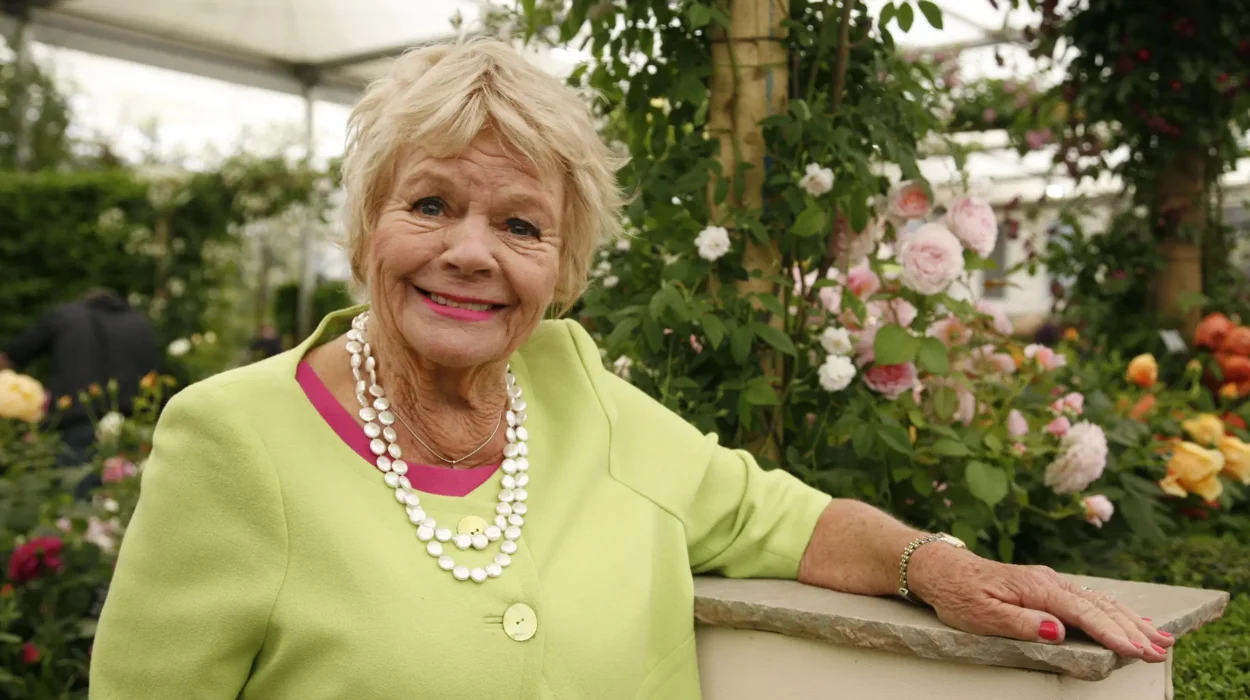
Judith Rosemary Locke Chalmers OBE (10 October 1935 – 21 May 2026) was an English television presenter best known for hosting the ITV travel programme Wish You Were Here…? for 29 years, presenting over 500 episodes from 1974 to 2003 and becoming the face of British package holidays.
- Who was Judith Chalmers?
- What was Judith Chalmers’ early life and background?
- How did Judith Chalmers start her broadcasting career?
- What was Wish You Were Here…? and why did it succeed?
- Why did Judith Chalmers become the face of British holidays?
- What happened to Judith Chalmers after retiring from Wish You Were Here…??
- What legacy did Judith Chalmers leave in travel television?
- How did package holidays change British travel culture during Chalmers’ career?
- What made Judith Chalmers’ presenting style unique?
Who was Judith Chalmers?
Judith Chalmers was an English television presenter born in Gatley, Stockport, who hosted Wish You Were Here…? for nearly three decades and became synonymous with affordable European holidays for British families.
Judith Rosemary Locke Chalmers received the Order of the British Empire (OBE) for her services to broadcasting. She presented the travel show Wish You Were Here…? on ITV from its launch in 1974 until 2003. Her warm presenting style and sun-kissed complexion made her a beloved figure in British living rooms. Chalmers hosted more than 500 episodes of the programme across 29 years. She died on 21 May 2026 at age 90 after battling Alzheimer’s disease in her later years.
Her career spanned more than six decades in broadcasting. Chalmers began working at the BBC at age 13 after her mother encouraged her to audition for a child role on BBC’s Hour Manchester. She made her television debut in 1956 hosting a women’s afternoon magazine show. By 1960, she served as a BBC television announcer and hosted Come Dancing, the BBC ballroom dance competition.
What was Judith Chalmers’ early life and background?
Judith Chalmers was born on 10 October 1935 in Gatley, a suburb of Stockport, Cheshire, to an architect father and medical secretary mother, and began her broadcasting career at age 13.
Chalmers grew up in post-war Britain during a period when overseas travel remained rare for most British families. Her father worked as an architect while her mother served as a medical secretary. This middle-class upbringing provided stability but limited exposure to international travel during her childhood. When she secured her role as the inaugural presenter of Wish You Were Here…?, like many Britons in the 1970s, her travels had only extended across the English Channel to France.
The 1930s birth year placed Chalmers in the generation that experienced World War II during their formative years. Post-war Britain faced economic constraints that made foreign holidays luxury items for most families. This historical context shaped her later role as the face of affordable package holidays that democratized European travel for working and middle-class British families.
How did Judith Chalmers start her broadcasting career?
Chalmers began her career at the BBC at age 13 after auditioning for a child role, made her television debut in 1956 hosting a women’s magazine show, and became a BBC announcer by 1960.
Her mother encouraged her to audition for BBC’s Hour Manchester when Chalmers was just 13 years old. This early start in broadcasting was unusual but reflected her natural on-camera presence. She progressed through various BBC roles during the 1950s and 1960s. By 1960, she served as a BBC television announcer, a prestigious role that required clear elocution and professional appearance.
Chalmers hosted Come Dancing, the BBC’s ballroom dance competition, during the 1960s. This programme later evolved into Strictly Come Dancing. Her experience hosting diverse programmes built the presenting skills she would later apply to travel television. The BBC training ground provided her with professional discipline and on-camera confidence that distinguished her from later presenters.
What was Wish You Were Here…? and why did it succeed?
Wish You Were Here…? was an ITV travel programme launched in 1974 that showcased affordable package holidays to European destinations, running for 29 years with over 500 episodes hosted by Judith Chalmers.
The programme filled a specific market need during the 1970s when package holidays to Europe became affordable for British families. Chalmers served as the inaugural and primary presenter throughout the show’s run. The format featured destination guides, hotel reviews, and practical holiday advice. This practical information helped viewers make informed decisions about package holidays.
The show’s success reflected broader social changes in Britain. Affordable air travel and package holiday operators like Thomson and Court Line democratized European travel. Chalmers’ friendly and relatable presenting style resonated with viewers who saw themselves in her. Her sun-kissed complexion became a signature trait, suggesting she had personally visited the destinations she promoted.
Over 500 episodes were produced across 29 years, representing consistent high ratings and audience loyalty. The programme became the go-to source for holiday inspiration for multiple generations of British viewers. Its longevity demonstrated the enduring appeal of travel content and Chalmers’ unique connection with audiences.
Why did Judith Chalmers become the face of British holidays?
Chalmers became synonymous with British package holidays because she presented Wish You Were Here…? for 29 years, hosted over 500 episodes, and embodied the friendly, trustworthy guide who made European travel accessible to ordinary families.
Her presenting style combined authority with approachability. Viewers trusted her recommendations because she appeared genuinely enthusiastic about destinations. Unlike later travel presenters who emphasized adventure or luxury, Chalmers focused on family-friendly, affordable holidays. This positioning matched the reality for most British families in the 1970s, 1980s, and 1990s.
Chalmers’ longevity on the programme created generational recognition. Parents who watched her in the 1970s saw their children watch her in the 1990s. This multi-generational appeal strengthened her brand as a trusted holiday advisor. Her consistent presence across three decades created a rare continuity in British television presenting.
The sun-kissed complexion she maintained became a visual trademark. This suggested personal experience with Mediterranean destinations and reinforced her credibility as a travel expert. In an era before social media influencers, Chalmers represented the original travel influencer whose recommendations carried weight with millions of viewers.
What happened to Judith Chalmers after retiring from Wish You Were Here…??
Chalmers retired from regular presenting in 2017 after leaving Wish You Were Here…? in 2003, spent her later years battling Alzheimer’s disease, and died on 21 May 2026 at age 90.
She left Wish You Were Here…? in 2003 after 29 years, ending the show’s original run. The programme continued without her but never achieved the same cultural prominence. Chalmers made occasional television appearances after 2003 but stepped back from regular presenting duties. She officially retired from regular presenting in 2017.
In her later years, Chalmers battled Alzheimer’s disease. This progressive neurodegenerative condition affected her memory and cognitive function. Her family announced her death on 21 May 2026, stating she passed away at age 90. The family noted she left behind “a giant suitcase of the happiest memories” from her decades of travel and broadcasting.
Her retirement period lasted approximately 23 years from leaving Wish You Were Here…? until her death. During this time, she remained a respected figure in British broadcasting history. Tributes after her death highlighted her extraordinary life encompassing more than 60 years in broadcasting and numerous adventures worldwide.
Explore More about Entertainment:
Gogglebox Star Ken Harwood Life, Career & TV Journey
Married at First Sight UK Season Drama, Couples & Updates
What legacy did Judith Chalmers leave in travel television?
Chalmers left a legacy as the original travel television presenter who democratized European holidays for British families, inspired countless viewers to travel, and set the standard for friendly, trustworthy travel presenting that influenced later generations.
Her impact extended beyond television ratings. Chalmers directly influenced British holiday patterns by introducing millions of viewers to Mediterranean destinations. Families chose resorts and hotels based on her recommendations. This practical impact on travel behavior distinguished her from entertainment presenters.
The format she pioneered influenced subsequent travel programmes. Later presenters like Aasmah Mir and others who took over Wish You Were Here…? followed her model of practical destination guides. Her approach emphasized accessibility over exclusivity, making travel content relevant to mainstream audiences rather than luxury travelers.
Chalmers received the OBE (Order of the British Empire) for services to broadcasting, recognizing her cultural impact. This honor placed her among distinguished British broadcasters. Her legacy includes training a generation of travel presenters who studied her approach to connecting with viewers. The programme’s 500+ episodes remain a benchmark for long-running travel television success.
How did package holidays change British travel culture during Chalmers’ career?
Package holidays transformed British travel from elite luxury to mass-market activity during Chalmers’ career, with affordable flights and inclusive deals enabling working and middle-class families to visit Europe for the first time.
When Chalmers began presenting in the 1970s, overseas holidays remained rare for most British families. Her own travel experience at that point extended only to France across the Channel. The subsequent three decades saw explosive growth in package holiday sales. Operators like Thomson, Court Line, and later Thomas Cook made Mediterranean destinations affordable.
This democratization of travel represented a major social shift. Working-class families who never previously considered foreign holidays began visiting Spain, Greece, and Italy. Chalmers’ programme provided the information and confidence needed to make these first overseas trips. Her friendly presentation style reassured nervous first-time travelers.
The economic impact included growth in British tourism operators, airport expansion, and increased air traffic to Europe. Millions of British families took their first package holiday inspired by programmes like Wish You Were Here…?. This transformation created lasting changes in British holiday culture, with annual foreign holidays becoming expected rather than exceptional.
What made Judith Chalmers’ presenting style unique?
Chalmers’ presenting style combined friendly relatability, practical information delivery, authentic enthusiasm, and a trustworthy persona that made viewers feel she was advising them personally rather than performing for an audience.
Her approach avoided the glamour or adventure focus of later travel presenters. Chalmers emphasized practical details families needed: hotel quality, beach conditions, child facilities, and value for money. This practical focus matched viewer needs for family holidays. Her delivery felt conversational rather than scripted, creating intimacy with viewers.
The sun-kissed complexion became a visual signature suggesting personal travel experience. This authenticity marker differentiated her from studio-based presenters who had never visited destinations. Her consistent appearance across decades created familiarity that viewers trusted. The warm tone of her voice and delivery reinforced approachability.
Chalmers maintained professional standards while appearing accessible. She avoided overt self-promotion or personality cults that characterized later presenters. This restraint reinforced trustworthiness. Her style influenced the travel presenting genre for decades, establishing parameters that subsequent presenters either followed or deliberately reacted against.
Judith Chalmers’ life and career represent a unique chapter in British broadcasting history. Her 29-year tenure on Wish You Were Here…? created an enduring cultural touchstone for British families. The over 500 episodes she hosted documented the evolution of British holiday culture from the 1970s through the early 2000s. Her death on 21 May 2026 marked the end of an era in travel television, but her legacy continues through the millions of families whose first foreign holidays she helped make possible.