Key Points
- National Crime Agency (NCA) arrests a 25-year-old woman in Wrexham accused of aiding a people-smuggling network.
- Related arrests include a 25-year-old man in Newcastle and a 26-year-old man in Birmingham.
- French police detain 16 suspects across Paris in coordinated Europol-backed raids.
- Authorities rescue 41 migrants, including 11 found in one property.
- The group allegedly arranged flights for migrants from Vietnam to central and eastern Europe, then to France and the UK.
- Smuggled individuals’ genuine passports were reportedly held as debt bondage by the network.
- The operation forms part of nearly 100 NCA investigations into people-smuggling activities.
- One suspect faces extradition from Britain to France.
- The same cross-border operation led to arrests in north-west England and South Yorkshire earlier this year.
- NCA senior investigating officer Alex Cruise praises joint UK-French efforts to dismantle international smuggling rings.
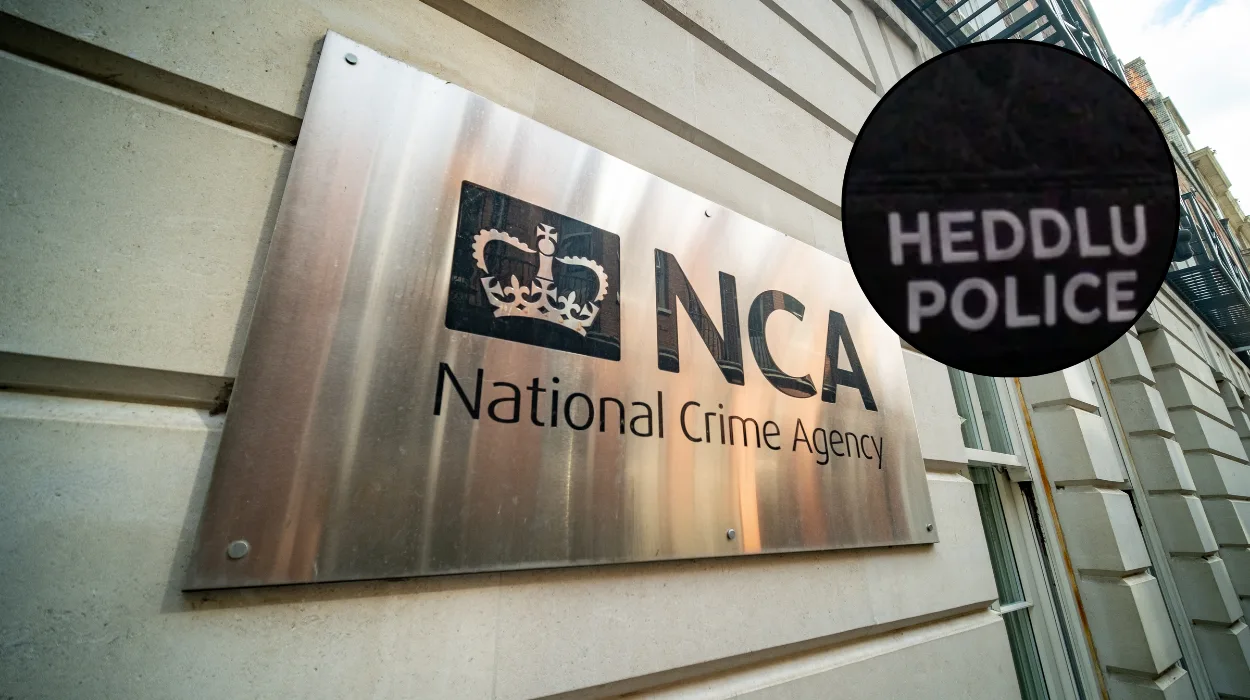
United Kingdom (Britain Today News) March 30, 2026 — A 25-year-old woman has been arrested by National Crime Agency (NCA) officers in Wrexham on suspicion of assisting an organised crime network involved in people smuggling and money laundering. The large-scale investigation, run jointly by UK and French authorities, has led to several arrests across Britain and Europe as police intensify efforts to dismantle transnational smuggling networks exploiting migrants travelling to the UK.
- Key Points
- How did the international operation unfold?
- What are the allegations against the suspects?
- Who was arrested in Britain?
- How is this linked to prior arrests?
- What has the NCA said about the operation?
- What involvement did European agencies have?
- What happens next for the suspects?
- How big is the people-smuggling problem?
- What are officials saying about ongoing cooperation?
- Could this case signal broader European policy implications?
How did the international operation unfold?
As first reported by BBC News, the NCA executed a warrant in Wrexham on 30 March, leading to the arrest of the woman, while another 25-year-old man was detained in Newcastle-upon-Tyne in connection with the same probe. Meanwhile, in a coordinated move, French police carried out simultaneous raids in and around Paris, supported by Europol, Eurojust, and the Belgian Federal Police, resulting in 16 further arrests.
According to Sky News, during the Paris raids authorities discovered 41 migrants — including 11 who were confined in one residential address — believed to be awaiting transit or payment instructions. French police confirmed that the arrests were part of a continuing investigation into a vast network accused of facilitating illegal crossings between Vietnam and the United Kingdom through a chain of European countries.
What are the allegations against the suspects?
Investigators allege that the transnational criminal organisation helped Vietnamese nationals travel legally on commercial flights from Vietnam to central and eastern Europe, before transferring them to France and eventually to the UK by small boats or concealed within lorries. The Guardian reported that suspects are believed to have confiscated the migrants’ genuine Vietnamese passports as a means of enforcing debt bondage — a modern form of forced labour repayment in which individuals are compelled to work to settle substantial travel debts.
In addition to monetary exploitation, authorities say the network was highly structured, operating safe houses, money laundering operations, and cross-channel transport arrangements.
Who was arrested in Britain?
As detailed by the National Crime Agency (NCA) in a press release, specialist NCA officers also apprehended a 26-year-old man in Birmingham following a European arrest warrant issued by French authorities. He is suspected of managing accommodation facilities for migrants before they were transported across the Channel. The suspect appeared before Westminster Magistrates’ Court and was remanded into custody while extradition proceedings to France begin.
The NCA confirmed that all British suspects are being interviewed under caution, and their electronic devices and financial accounts have been seized for forensic examination.
How is this linked to prior arrests?
This fresh wave of arrests connects directly to a February 2026 operation in which five men were apprehended and charged in north-west England and South Yorkshire, as previously covered by BBC News. Those arrests stemmed from the same ongoing inquiry into people-smuggling routes between France and the UK. Officials now believe that the investigation is gradually neutralising a widespread and lucrative criminal network centred on migrant exploitation.
What has the NCA said about the operation?
In a statement shared by Alex Cruise, NCA’s Senior Investigating Officer, he emphasised the value of joint international efforts:
“These arrests are a great example of partnership working with our colleagues in France to tackle the groups behind dangerous crossings to the UK. Such journeys put those being moved at great risk and undermine border security.”
Cruise further added that targeting smuggling networks
“remains a top priority for the NCA”,
and the current operation is
“one of approximately 100 ongoing investigations”
focusing on individuals and organisations either directly orchestrating or facilitating illegal border movements.
What involvement did European agencies have?
As outlined by Europol’s official statement, the operation required months of cooperation between intelligence officers, data analysts, and law enforcement liaison teams across Belgium, France, and the UK. Europol provided real-time communication support and case coordination, while Eurojust’s cross-border judicial cooperation ensured proper evidence transfer between participating states.
Belgian federal police contributed surveillance data and assisted in tracking financial transfers linked to the laundering side of the operation. According to Le Monde, these financial networks were critical in financing accommodation and logistics for migrant transport through Europe.
What happens next for the suspects?
All arrested individuals in France face judicial hearings under anti-trafficking and organised crime laws. Those detained in the UK remain in lawful custody, with one accused awaiting extradition. UK-based prosecutors are working with French legal teams to decide whether further charges under the Modern Slavery Act 2015 or the Immigration Act 2016 may follow.
Law enforcement officials from both countries have reiterated that investigations remain “ongoing.” More suspects may face arrest as agencies analyse seized communication records, money transfer trails, and social media connections tied to the operation.
How big is the people-smuggling problem?
According to a Home Office report cited by The Independent, people-smuggling through small boats remains one of the UK’s most persistent border challenges. Since 2023, nearly 30,000 individuals have crossed the Channel in small vessels, prompting sharp political and policy debate.
In response, the NCA has expanded its international coordination teams, emphasising intelligence-sharing with European counterparts. The organisation currently runs about 100 active investigations focused specifically on human smuggling, money laundering, and debt bondage networks.
Human rights observers, including Anti-Slavery International, have urged British and European authorities to simultaneously strengthen legal migration pathways and enhance victim support frameworks to protect those coerced into such dangerous passages.
What are officials saying about ongoing cooperation?
A spokesperson for the French Ministry of the Interior, quoted by Reuters, highlighted that the
“success of this operation demonstrates growing coordination between French and British services despite post-Brexit challenges.”
The ministry credited joint task forces supported by Europol and Eurojust for improving real-time operational response and cross-border arrest capability.
Meanwhile, the UK Home Office reaffirmed that it remains committed to dismantling smuggling networks and will continue to support NCA-led transnational operations aimed at
“upholding the integrity of the UK’s borders and protecting vulnerable migrants from exploitation.”
Could this case signal broader European policy implications?
Security analysts interviewed by The Times suggested that the operation illustrates how non-EU nations like the UK can still participate in sophisticated cross-European intelligence structures. They also noted that such cases reinforce the urgent need for coordinated anti-trafficking legislation capable of intercepting smuggling networks before migrants reach coastal departure points in northern France.
Observers also warn that even as law enforcement tightens controls, smugglers frequently adapt routes and methods — including using freight trains, unregistered vehicles, and supply-chain corruption — requiring continuous intelligence updates and legal innovation.