Key Points
- Hounslow councillors approved redevelopment plans for the former GlaxoSmithKline (GSK) headquarters on the Great West Road in Brentford on Thursday, March 5, 2026.
- The brownfield site will deliver 1,522 new homes, including student flats and co-living spaces, forming a ’15-minute neighbourhood’.
- First phase includes 761 homes across five tower blocks.
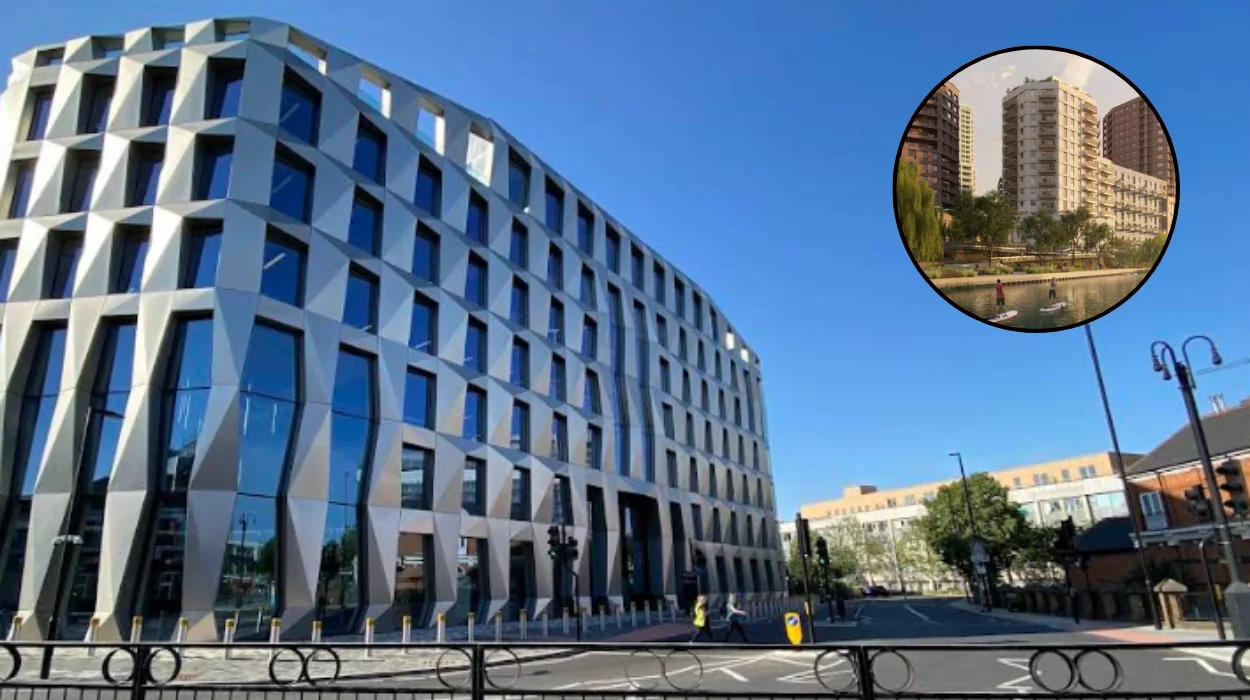
- Landmark tower to be redeveloped and extended to 26 storeys, housing 239 flats, becoming the site’s tallest structure.
- Project requires final approval from the Mayor of London.
- Aims to regenerate a key West London location with sustainable, walkable community features.
London (Britain Today News) March 7, 2026 – Hounslow Council has approved ambitious plans to redevelop the former GlaxoSmithKline headquarters on the Great West Road, paving the way for over 1,500 new homes and high-rise towers up to 26 storeys tall. The decision, made by councillors on Thursday, marks a major step towards creating a ’15-minute neighbourhood’ on this brownfield site, though final sign-off rests with the Mayor of London. This transformation promises 1,522 residential units, including student accommodation and co-living spaces, reshaping Brentford’s skyline and community fabric.
- Key Points
- What Did Hounslow Councillors Approve Exactly?
- Why Is This Called a ’15-Minute Neighbourhood’?
- What Is the Timeline for the Redevelopment?
- Who Are the Key Players Behind the Approval?
- How Will This Impact Brentford’s Community?
- What Are the Details of the Tower Blocks?
- Has There Been Any Controversy or Objections?
- What Does This Mean for West London’s Housing Market?
- Broader Context: Similar Projects Nearby?
The approval highlights a push for high-density housing in West London amid ongoing pressures to address the capital’s housing crisis. As reported in initial coverage by local outlets, the scheme’s scale – with its towering structures – has sparked discussions on urban density and sustainability.
What Did Hounslow Councillors Approve Exactly?
Councillors in Hounslow gave the green light to the comprehensive regeneration of the disused GSK site, a prominent brownfield location along the bustling Great West Road. The plans, submitted by developers Berkeley Homes, envision a total of 1,522 new homes across multiple phases. According to council documents highlighted in planning reports, the first phase alone will deliver 761 homes in five tower blocks, setting the foundation for the wider project.
The landmark existing tower on the site will be retained and extended upwards to reach 26 storeys, accommodating 239 flats. This will make it the tallest building in the development, offering panoramic views over West London. As noted by planning officers in their recommendation to approve, the scheme balances housing delivery with enhanced green spaces and transport links.
Why Is This Called a ’15-Minute Neighbourhood’?
The ’15-minute neighbourhood’ concept lies at the heart of the redevelopment, promising residents access to essential amenities – shops, schools, parks, and public transport – within a short walk or cycle. Developers emphasise walkability, with cycle lanes, pedestrian routes, and communal areas integrated throughout. This model, inspired by Paris urbanist Carlos Moreno, aims to reduce car dependency and foster community in Brentford.
Critics, however, question if the high-rise focus truly supports this vision. Local resident groups, cited in council meeting minutes, raised concerns over traffic congestion on the Great West Road, a key arterial route. Nonetheless, Hounslow’s planning committee deemed the benefits outweighed the drawbacks, approving the plans 8-2.
What Is the Timeline for the Redevelopment?
Construction on the first phase could commence as early as 2027, pending the Mayor of London’s approval, which is typically a formality for such schemes but assesses tall buildings’ impact on London’s skyline. Full build-out is projected over 10-15 years, delivering homes incrementally. Berkeley Homes stated in their application that early phases prioritise affordable housing quotas mandated by policy – around 30% of units, though exact figures await detailed breakdown.
Phased delivery mitigates construction disruption to nearby residents and businesses. As per developer projections, the 26-storey tower extension will anchor phase one, with student flats and co-living spaces following to cater to Brentford’s growing academic and young professional population.
Who Are the Key Players Behind the Approval?
Hounslow Council’s planning committee, chaired by Councillor Josh Massey, led the approval process. Councillor Massey remarked during the meeting:
“This redevelopment will breathe new life into a long-dormant site, delivering much-needed homes while creating a vibrant neighbourhood.”
Planning officers from Hounslow Borough Council recommended approval, praising the scheme’s compliance with local and national planning policies.
Berkeley Homes, the lead developer, has a track record in West London regenerations. The site, previously GSK’s global HQ until its relocation in 2019, was acquired by Berkeley in 2022. The Mayor of London’s office will now review under Stage 2 referral powers, focusing on design, heritage, and microclimate effects.
How Will This Impact Brentford’s Community?
The project promises economic boosts, with thousands of construction jobs and long-term facilities like a new health centre and retail spaces. Co-living and student flats target diverse demographics, easing pressure on family housing stock. Environmental features include solar panels, green roofs, and biodiversity enhancements, aligning with Hounslow’s net-zero ambitions.
Yet, opposition persists. As reported by community voices at the council hearing, fears of overshadowing and strain on local GP surgeries loom large. Transport for London endorsed improved bus links but urged more electric charging points. Overall, the approval signals Hounslow’s commitment to bold urban renewal.
What Are the Details of the Tower Blocks?
Five tower blocks in phase one range from 8 to 26 storeys, blending market-rate, affordable, and shared ownership homes. The 26-storey extension atop the GSK landmark will house 239 flats, primarily one- and two-bedroom units. Architects from Hopkins Architects designed the structures for energy efficiency, with facades incorporating triple glazing and air-source heat pumps.
Student accommodation totals around 500 beds, while co-living spaces offer flexible tenancies with communal kitchens. Parking is minimised – just 10% of homes – to promote sustainable transport.
Has There Been Any Controversy or Objections?
Objections numbered over 200 during consultation, focusing on height, density, and infrastructure. The Brentford Community Council submitted a detailed critique, arguing the 26-storey tower “dominates the low-rise character” of nearby areas. Highways England raised no major concerns post-mitigation pledges.
Supporters, including Hounslow’s housing team, hailed it as vital for meeting government targets. Neutral observers note similar schemes, like nearby Brentford Waterside, have succeeded without major hitches.
What Does This Mean for West London’s Housing Market?
This approval adds to West London’s pipeline of over 10,000 homes, intensifying competition in the rental and sales markets. Brentford’s proximity to Kew Gardens and Heathrow appeals to commuters. Average flat prices here hover at £550,000, likely rising with new luxury towers.
Experts predict a uplift in property values site-adjacent, boosting council tax revenues. As a brownfield win, it exemplifies national policy to prioritise derelict lands over green belts.
Broader Context: Similar Projects Nearby?
This fits a wave of Great West Corridor regenerations. Adjoining sites like the Holiday Inn and BP sites have seen approvals for 2,000+ homes. Hounslow’s local plan targets 16,000 homes by 2030, with Brentford as a growth hub.
Comparatively, Ealing Council’s nearby skyscrapers faced taller resistance, but Hounslow’s approach emphasises community benefits.