Key Points
- Iran’s Deputy Foreign Minister Dr Saeed Khatibzadeh accused the United Kingdom of “actively participating in aggression” against Iran.
- The statement follows UK Prime Minister Sir Keir Starmer’s announcement that British bases could be used by the United States for air attacks on Iran.
- Escalation stems from ongoing US and Israeli strikes on Iran, now in their third day as of March 2, 2026, aimed at regime change and targeting Iran’s supreme leader.
- Iran has retaliated by striking multiple US-aligned Gulf nations including UAE, Jordan, Qatar, Bahrain, Kuwait, and Saudi Arabia.
- At least three US service members killed in Kuwait; President Donald Trump warns of more casualties and promises further strikes.
- UK has reportedly joined allied efforts to counter Iranian onslaught, with shelter-in-place orders, remote learning, and airspace disruptions.
- Regional chaos includes Hezbollah strikes on Israel, US embassy alerts, stranded citizens, and investigations into Iran-inspired attacks like Austin shooting.
- Congress debates reining in Trump’s military operations; analysts predict war lasting 4-5 weeks.
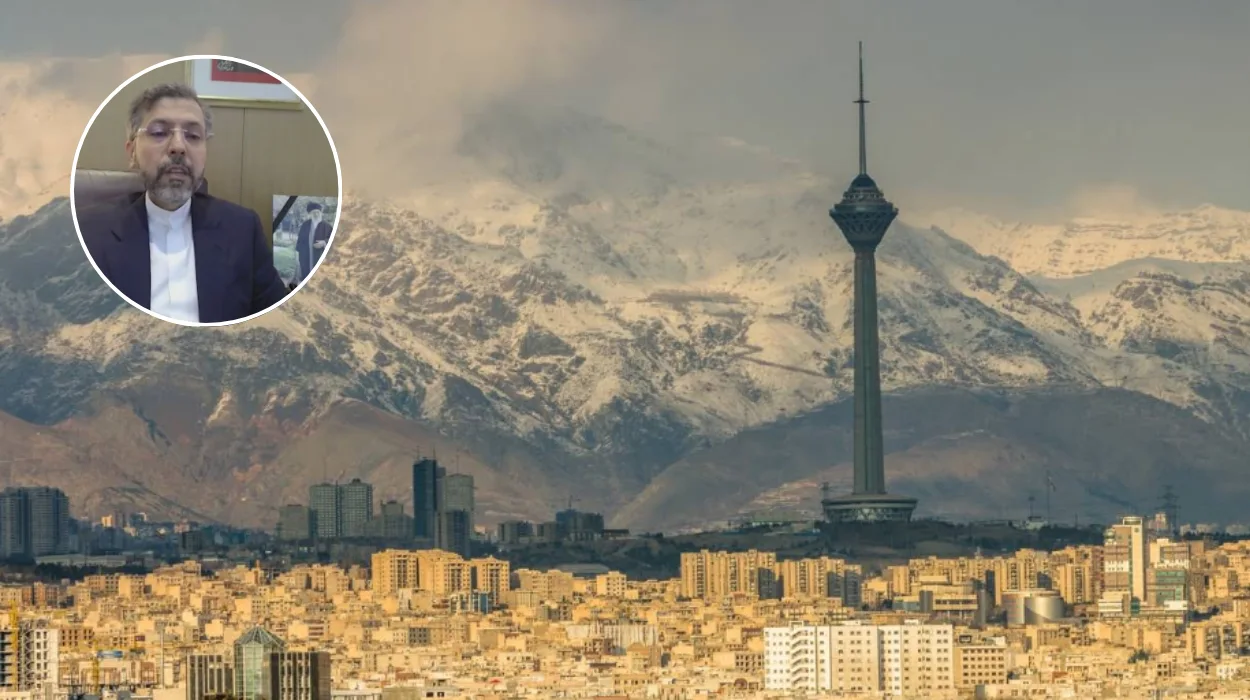
Tehran (Britain Today News) March 2, 2026 – Iran’s Deputy Foreign Minister Dr Saeed Khatibzadeh has sharply criticised the United Kingdom for “actively participating in aggression” following Prime Minister Sir Keir Starmer’s authorisation for US forces to utilise British bases for potential airstrikes on Iran. This comes amid a rapidly escalating conflict in the Middle East, where coordinated US and Israeli strikes against Iran have entered a third day, resulting in the death of Iran’s supreme leader and widespread retaliatory attacks by Tehran on regional US allies. President Donald Trump has vowed more action, with at least three American service members confirmed killed.
- Key Points
- What Sparked Iran’s Accusation Against the UK?
- How Has Iran Responded to US and Israeli Strikes?
- What Role Is the UK Playing in the Conflict?
- Who Are the Key Figures Involved?
- What Are the Regional and Global Impacts?
- Why Is Congress Intervening in US Operations?
- How Long Might This Conflict Last?
- What Safety Measures Are in Place?
What Sparked Iran’s Accusation Against the UK?
As reported by UN News correspondent on March 1, 2026, the violent escalation began with US and Israeli strikes targeting regime change in Iran, pulling the region into instability. Dr Khatibzadeh’s remarks directly reference Sir Keir Starmer’s announcement, which greenlit British bases for US operations, a move Tehran views as complicity in aggression
. “The UK is actively participating in aggression,”
Dr Khatibzadeh stated, according to Iranian state media coverage aggregated in real-time reports.
James Longman of ABC News, reporting from Turkey on March 2, 2026, detailed how the US and Israel entered day three of attacks, with Iran hitting back at multiple countries. Longman noted President Trump’s confirmation of three US servicepeople killed, alongside Iranian strikes on the region. Rachel Scott of ABC News added that Congress is scrutinising efforts to limit the President’s military actions in Iran.
How Has Iran Responded to US and Israeli Strikes?
CNN reporters on March 2, 2026, outlined Iran’s swift retaliation, launching attacks on UAE, Jordan, Qatar, Bahrain, Kuwait, and Saudi Arabia, causing fatalities and destruction in these Gulf nations.
“Iran has responded quickly and extensively,”
the CNN team wrote, highlighting strikes on US-aligned states typically seen as secure. President Trump cautioned that more US fatalities could follow the three already lost in Kuwait.
In a YouTube bulletin from Democracy Now! on March 2 evening, correspondents confirmed US and Israeli strikes continued into day three, with Iran-backed Hezbollah trading blows with Israel in Lebanon. The report stated:
“Iran has continued with ongoing retaliatory strikes on Gulf nations hosting US bases.”
ABC News’ Ian Pannell, in the World News Tonight broadcast on March 2, 2026, reported the first US casualties:
“at least three service members killed in action and five more seriously wounded”
during the joint assault. Pierre Thomas of ABC covered a related Austin, Texas nightclub shooting leaving two dead, under FBI probe for possible Iran-inspired terror links.
What Role Is the UK Playing in the Conflict?
UK involvement escalated as it
“joined the requested Allied effort to stop the onslaught,”
per the Democracy Now! bulletin on March 2, 2026. The government extended shelter-in-place orders, shifting schools to remote learning and most work to home setups. Qatar’s airspace closure stranded thousands, exacerbating travel chaos.
The New York Times live updates on March 2, 2026, noted Iran and allied militias, including Hezbollah, attacking Israel and US targets, with Israel retaliating in Lebanon. Top US officials discussed regime change objectives, implicitly tying in allied support like the UK’s base access.
As per CNN’s March 2 overview, President Trump said Sunday the war could last four to five weeks, though analysts stress fluidity. Airspace restrictions persist over Qatar, Kuwait, Israel, Bahrain, and Iraq, with airlines facing rebooking overloads.
Who Are the Key Figures Involved?
Dr Saeed Khatibzadeh, Iran’s Deputy Foreign Minister, leads Tehran’s diplomatic rebuke, labelling UK actions as aggression. Sir Keir Starmer, UK Prime Minister, authorised base usage, drawing Iran’s fire. President Donald Trump directs US strikes, mourning casualties while promising escalation.
James Longman (ABC News) from Turkey emphasised regional shockwaves. Rachel Scott (ABC News) covered Congressional pushback. Ian Pannell (ABC News) detailed US losses. Pierre Thomas (ABC News) linked domestic incidents to the war. UN News urged restraint amid strikes from US, Israel, and Iran.
What Are the Regional and Global Impacts?
Travel chaos grips the Middle East, with CNN noting stranded US citizens and embassy high alerts on March 2, 2026. Gas prices surge domestically, tying into broader economic ripples. UN News on March 1 called for restraint as strikes persist.
Democracy Now! highlighted Qatar shooting down Iranian jets and airspace closures. ABC’s full broadcast underscored Middle East reverberations, with James Longman on instability.
Why Is Congress Intervening in US Operations?
Rachel Scott of ABC News reported on March 2, 2026, that Congress seeks to rein in President Trump’s Iran operations amid rising casualties. This reflects domestic pressure as the conflict spills over, including the Austin probe.
How Long Might This Conflict Last?
President Trump, as cited by CNN on March 2, predicted four to five weeks, but analysts caution unpredictability. New York Times updates confirm ongoing militia clashes, with no ceasefire in sight.
What Safety Measures Are in Place?
UK shelter orders and remote shifts aim to protect civilians, per Democracy Now!. US embassies are on high alert; travelers face delays, as CNN advised checking airlines.