Key Points
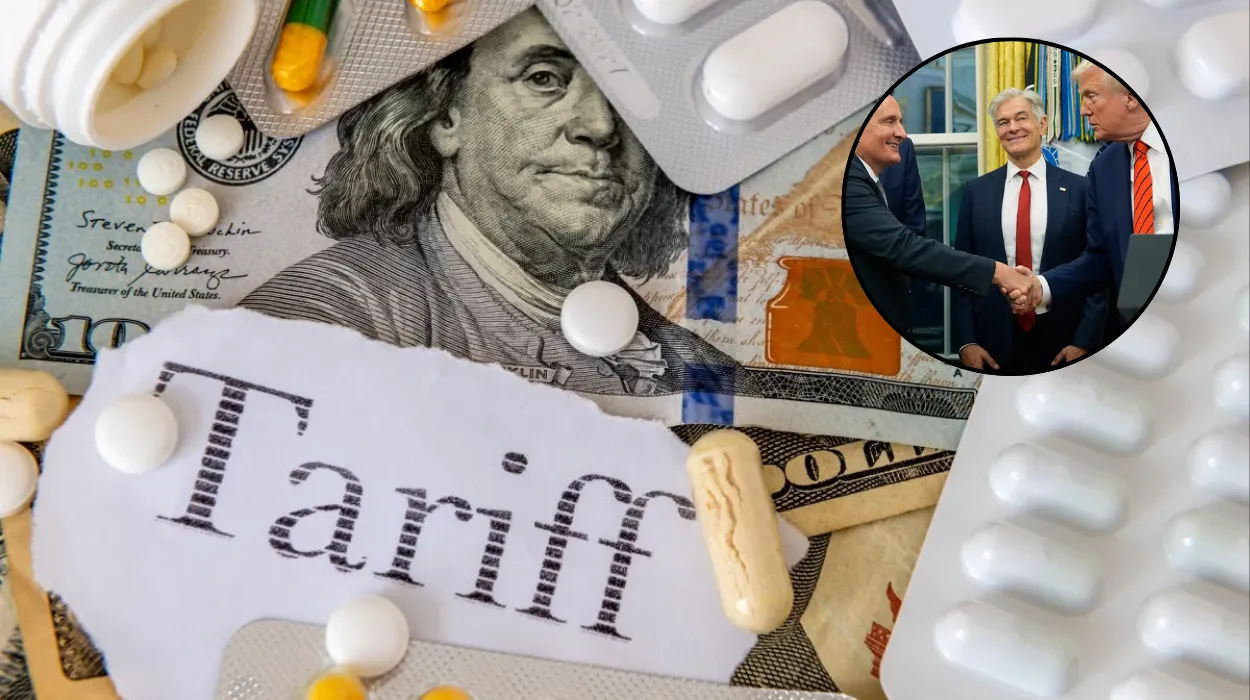
- British drug exports worth £5bn annually to the US will avoid tariffs of up to 100% imposed by Donald Trump under a new UK-US medicines “partnership”.
- The deal relaxes NHS rules, allowing up to £35,000 per year per patient for treatments (up from £30,000) to provide greater access to life-extending drugs.
- UK government announced the deal on Thursday, highlighting approvals for two cancer drugs as proof of benefits for patients, not just pharma firms.
- Government commits to doubling spending on new medicines from 0.3% to 0.6% of GDP by 2035, potentially costing £9bn yearly according to Dr Andrew Hill of University of Liverpool.
- Critics, including Liberal Democrats’ Helen Morgan and Global Justice Now’s Tim Bierley, warn it prioritises big pharma and Trump over NHS funding; call for parliamentary scrutiny.
- Deal protects 50,000 UK pharmaceutical jobs and encourages R&D investment; full text released late Thursday evening amid secrecy concerns.
- First drugs approved: one for faulty gene-related brain cancer (reduces tumour progression risk by 50%), another “last resort” for rare stomach cancer; pressure on NICE for more, like Enhertu for breast cancer.
- Announcement timed post-5pm Thursday, full details during Easter weekend start, bypassing wider consultation.
London (Britain Today News) April 2, 2026 – British pharmaceutical exports to the United States, valued at £5bn annually, will dodge steep tariffs of up to 100% planned by President Donald Trump, thanks to a freshly inked UK-US “partnership” on drug pricing and access. The agreement, unveiled by the UK government on Thursday, promises smoother market access for UK-made medicines abroad while easing National Institute for Health and Care Excellence (NICE) thresholds for NHS spending on innovative treatments. Yet, opponents blast it as a giveaway to big pharma that could drain billions from the National Health Service (NHS), forcing higher prices on British patients to appease American trade demands.
- Key Points
- What Does the UK-US Medicines Deal Entail Exactly 2026?
- How Will This Impact NHS Budgets and Patient Access 2026?
- Why Are Critics Accusing Starmer of Surrendering to Trump and Big Pharma 2026?
- What Jobs and Economic Gains Does the Government Promise from This Deal 2026?
- When and How Was the Deal Announced Amid Secrecy Claims 2026?
- Which Drugs Are First in Line and What Comes Next for NICE 2026?
- Will Parliament Get a Say and What Risks Loom for the NHS 2026?
Ministers and industry leaders celebrated the move as a triple win for patients, businesses, and the economy. The Department for Science, Innovation and Technology (DSIT) framed it in a press release as safeguarding 50,000 pharmaceutical jobs across the UK and spurring investment in research, development, and manufacturing. Patient groups echoed the praise, noting quicker access to therapies that extend life and improve quality for the severely ill.
What Does the UK-US Medicines Deal Entail Exactly 2026?
At its core, the partnership shields £5bn in British drug shipments to the US from Trump’s impending tariffs on imported medicines. As the government stated in its announcement, this
“win for British patients, British businesses and the British economy”
ensures competitiveness in a key export market. The deal also tweaks NICE guidelines, lifting the annual cost ceiling per patient from £20,000–£30,000 to £35,000 for treatments offering substantial health gains. This shift, effective immediately, greenlights spending on drugs previously deemed too pricey for NHS budgets.
The first beneficiaries are two cancer therapies approved this week. One targets a faulty gene-linked brain cancer, slashing tumour progression risk by 50%. The other serves as a “last resort” for a rare stomach cancer variant. DSIT highlighted these as “good value for money,” proving the deal prioritises the unwell over profiteering. NICE now faces mounting pressure to reassess stalled approvals, such as the breast cancer drug Enhertu, which it once rejected for poor cost-effectiveness.
Government officials emphasised long-term commitments baked into the accord. By 2035, UK spending on novel medicines will double from 0.3% to 0.6% of GDP. Proponents argue this fosters innovation, keeping Britain at the forefront of global pharma while protecting export revenues.
How Will This Impact NHS Budgets and Patient Access 2026?
Supporters point to expanded patient choices as the deal’s human face. Relaxed NICE rules mean faster rollouts of life-extending drugs, potentially adding years of healthier life for thousands. The two newly approved cancer meds exemplify this: for brain and stomach cancer sufferers, they offer hope where options were slim. Industry bosses and patient advocates hailed the changes, with the government noting they benefit
“the very unwell, not just pharmaceutical firms.”
Yet, fiscal realities cast shadows. Dr Andrew Hill, a senior drugs expert at the University of Liverpool, crunched the numbers and warned of a £9bn annual hit to UK coffers by 2035.
“Why spend an extra £9bn a year on higher drug prices to protect drug exports to the US of only £5bn a year? The maths simply does not add up,”
Hill declared. He advocated redirecting those funds to bolster existing NHS services, which he believes would save more lives overall.
The commitment to hike new medicine spending to 0.6% of GDP amplifies these concerns. With the NHS already stretched, critics fear trade-offs: fewer routine procedures, longer waits, or slashed frontline care to subsidise premium drugs.
Why Are Critics Accusing Starmer of Surrendering to Trump and Big Pharma 2026?
Opposition voices erupted with fury. Helen Morgan, Liberal Democrat health spokesperson, lambasted Prime Minister Keir Starmer for weakness.
“Starmer must stand strong against the bully in the White House, and protect our health service as a matter of urgency,”
she insisted.
“It is completely outrageous that Trump thinks he can get away with meddling in our NHS and even worse that Starmer refuses to stand up against him. Decisions over how to spend money in our NHS should be set by the British people, not by a foreign regime.”
Global Justice Now, a UK-based campaign group, went further. Tim Bierley, their policy and campaigns manager, accused the government of bypassing democracy.
“It has made this agreement without consulting parliament, confirmed it via press release with no full text, then snuck it out at the start of the Easter weekend,”
Bierley charged. The group warned Starmer’s stance equates to
“taking an axe to the NHS to pacify Donald Trump and big pharma’s demand for higher medicines prices.”
The Lib Dems demanded immediate parliamentary scrutiny and a vote, spotlighting Westminster unease since the deal’s outline leaked last December. Secrecy fuelled the fire: DSIT promised the full text Thursday evening, hours after a post-5pm release, prompting “bury the news” jibes amid the holiday.
What Jobs and Economic Gains Does the Government Promise from This Deal 2026?
Pro-business angles shine brightly in official rhetoric. The £5bn export lifeline averts 100% tariffs, preserving market share in America’s vast pharma market. This, ministers claim, secures 50,000 jobs in manufacturing, R&D, and supply chains from Scotland to the South West. Drug firms, in turn, pledge ramped-up UK investments, from labs to production lines, cementing Britain’s post-Brexit trade edge.
The partnership extends beyond tariffs. Harmonised pricing insights and regulatory nods could streamline approvals, cutting time-to-market for British innovators. Government spin positions it as economic patriotism: shielding homegrown success stories like AstraZeneca and GSK from US protectionism.
Sceptics counter that short-term export saves mask long-term pain. Dr Hill’s £9bn projection dwarfs the £5bn protected, questioning value-for-money. Campaigners like Global Justice Now decry it as corporate welfare, prioritising profits over public health.
When and How Was the Deal Announced Amid Secrecy Claims 2026?
Timing raised eyebrows. DSIT dropped the press release after 5pm Thursday, April 2, with full details trickling out that evening. Critics pounced on the Easter weekend launch—schools shut, MPs scattered—as a dodge for scrutiny. Bierley of Global Justice Now labelled it a “sneak” tactic, devoid of parliamentary input despite months of Westminster whispers.
The deal’s genesis traces to December outlines, shrouded in non-disclosure. Finalisation came without fanfare, contrasting Trump’s tariff bravado. Lib Dems’ Morgan urged MPs to seize control, voting down what she called a Starmer capitulation.
Which Drugs Are First in Line and What Comes Next for NICE 2026?
Spotlight falls on the pioneers: the brain cancer drug, halving progression odds for gene-mutated cases, and the stomach cancer “last resort.” Both cleared NICE’s revamped bar, proving the £35,000 threshold works.
Pipeline pressure builds. Enhertu, a breast cancer contender twice rebuffed for cost, tops the retry list. Others loom, from oncology to rare diseases, as NICE balances innovation against budgets under the new regime.
Will Parliament Get a Say and What Risks Loom for the NHS 2026?
Calls for votes grow louder. Lib Dems lead, but cross-party jitters simmer over sovereignty and spend. Starmer faces binds: Trump tariffs threaten exports, yet NHS fidelity defines Labour. Hill’s maths—£9bn outlay for £5bn shield—fuels doubt: better expand diagnostics or staff than chase marginal gains?
Patient wins tempt, but at scale? Doubling GDP spend by 2035 risks fiscal strain amid ageing populations and post-pandemic arrears. Critics urge pause; ministers push ahead, betting biotech booms offset costs.
This saga underscores transatlantic tensions: trade versus treasured health universalism. As details emerge, Britain watches if partnership delivers or devours.