


Key Points
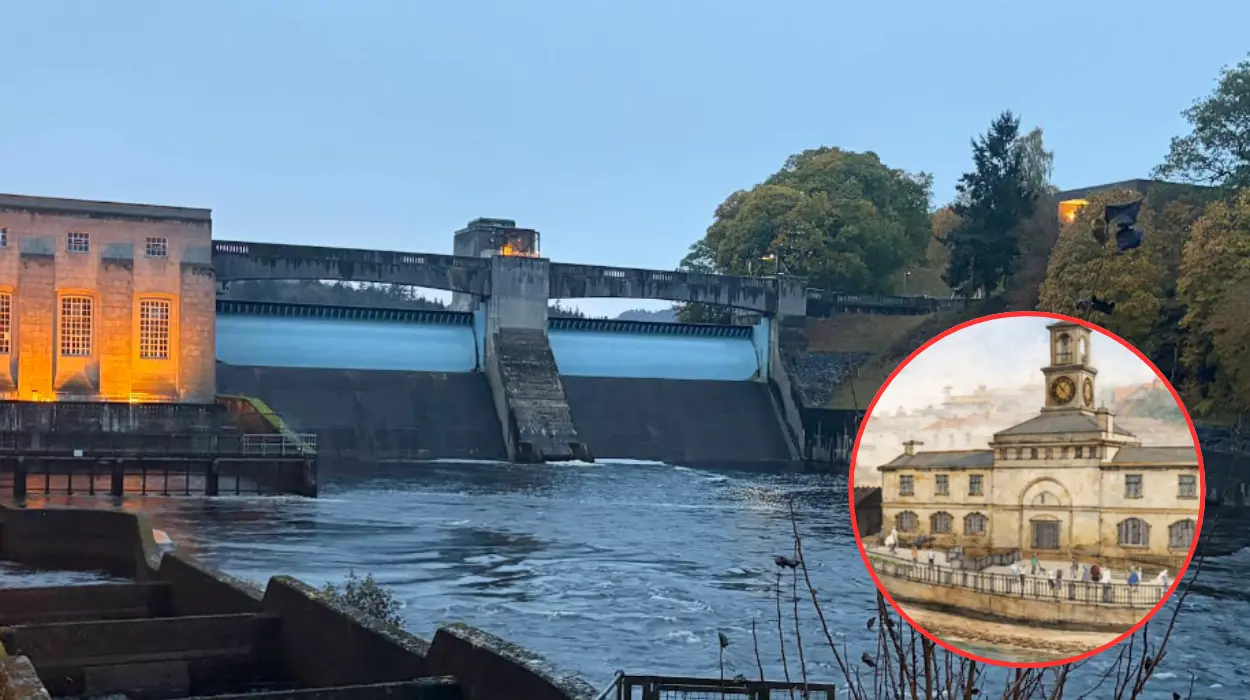
- Main construction works have been completed on the £7.5 million restoration of Ramsgate’s Grade II* listed Clock House on the Royal Harbour in Kent, removing the 1817 structure from years of disrepair on Historic England’s Heritage at Risk Register.
- Designed by architects Benjamin Wyatt and George Louch, the Clock House housed the Ramsgate Meridian—a brass line used to calculate Ramsgate Mean Time, which ran five minutes and 41 seconds ahead of Greenwich Mean Time.
- Delivered by Thanet District Council in partnership with contractor Willmott Dixon Construction, the overhaul preserved the building’s solid stone fabric while adding a new harbour-facing café extension, flexible exhibition spaces, and a brass replica of the historic Ramsgate Meridian Line.
- While structural works are complete, internal exhibition fit-outs and community programming remain underway ahead of the café opening in the coming months.
- Thanet District Council organised a public drop-in event, ribbon-cutting ceremony, and inaugural chime of the restored clock mechanism at the Clock House and Pier Yard on Wednesday, 25 November 2026.
Ramsgate (Britain Today News) November 25, 2026 – Main construction work has been completed on a £7.5 million restoration of Ramsgate’s Grade II listed Clock House on the Royal Harbour in Kent, rescuing the 1817 landmark from Historic England’s Heritage at Risk Register. Delivered by Thanet District Council in partnership with Willmott Dixon Construction, the project repairs the historic stone structure—which once kept Ramsgate Mean Time five minutes and 41 seconds ahead of Greenwich Mean Time—and adds a new café extension and flexible museum exhibition space. A public drop-in event, ribbon-cutting ceremony, and inaugural chime of the restored clock mechanism were scheduled at the Clock House and Pier Yard on Wednesday, 25 November 2026.*
- Key Points
- Why Did Ramsgate’s Clock House Run Five Minutes Ahead of Greenwich Mean Time?
- How Was the Grade II* Listed Clock House Restored?
- What Will Visitors Find Inside the Restored Clock House?
- Background: Local Mean Time in Britain and Ramsgate’s Harbour Regeneration
- Prediction: How Will This Development Affect Ramsgate Residents, Tourists, and Local Businesses?
Why Did Ramsgate’s Clock House Run Five Minutes Ahead of Greenwich Mean Time?
Built in 1817 and designed by architects Benjamin Wyatt and George Louch, the Clock House stands as a prominent historic landmark along Ramsgate’s Royal Harbour in Kent. Beyond its maritime setting, the building held a distinct role in British timekeeping by housing the Ramsgate Meridian—a brass line used to calculate the coastal town’s own local mean time.
As reported by The Times of India, citing local tourism body Visit Ramsgate, Ramsgate Mean Time ran five minutes and 41 seconds ahead of Greenwich Mean Time. Prior to the widespread adoption of standardised national time across Britain, towns and cities calculated local time independently based on the solar position, meaning noon in Ramsgate did not align with noon elsewhere in the country.
With the expansion of regular railway services arriving in the coastal town, maintaining a separate local clock created practical difficulties for rail passengers seeking to catch connections or reach harbour vessels. Ramsgate subsequently adopted Greenwich Mean Time, though its meridian remained a defining part of its maritime identity. According to The Times of India, the restored Clock House preserves that legacy by incorporating a brass replica of the historic Ramsgate Meridian Line for visitors to inspect.
How Was the Grade II* Listed Clock House Restored?
Over more than two centuries beside the Royal Harbour, prolonged deterioration left the Clock House requiring substantial structural repair and led to its inclusion on Historic England’s Heritage at Risk Register.
As reported by The Times of India, Thanet District Council delivered the £7.5 million restoration in partnership with construction firm Willmott Dixon as part of a broader regeneration programme for Ramsgate’s Royal Harbour. According to the council’s announcement, the overhaul focused on safeguarding the building’s solid stone masonry while adapting the interior and exterior for contemporary public access and community use.
In the council’s statement cited by The Times of India, Councillor Rick Everitt, Leader of Thanet District Council, characterised the scheme as a means of saving a piece of Ramsgate’s maritime history and establishing a new cultural centre on the harbour. In the same announcement, Richard Poulter, Managing Director at Willmott Dixon Construction South, noted the technical complexities involved in rehabilitating a Grade II* listed structure affected by significant structural and environmental challenges.
What Will Visitors Find Inside the Restored Clock House?
The refurbished Clock House has been reconfigured to serve both residents and tourists as a heritage hub and community venue. As detailed on Thanet District Council’s project page and reported by The Times of India, the scheme includes:
- A flexible exhibition space dedicated to Ramsgate’s maritime and timekeeping heritage.
- A new café extension featuring seating overlooking the Royal Harbour.
- The demolition and removal of existing shipping containers previously situated beside the historic building.
- A brass replica of the historic Ramsgate Meridian Line installed inside the restored building.
While primary structural and building works have concluded, Thanet District Council confirmed that internal exhibition fit-outs and community programming remain in progress, with specialists developing updated displays to present the town’s historical collections. The new café is scheduled to open in the coming months as the interior spaces are readied for full public operation.
To mark the completion of major construction, Thanet District Council scheduled a public drop-in event at the Clock House and Pier Yard for Wednesday, 25 November 2026, featuring a ribbon-cutting ceremony and the inaugural chime of the restored clock mechanism.
Background: Local Mean Time in Britain and Ramsgate’s Harbour Regeneration
Before the introduction of “railway time” by the Great Western Railway in November 1840 and the eventual statutory adoption of Greenwich Mean Time across Great Britain under the Statutes (Definition of Time) Act 1880, ports and towns across the United Kingdom operated on local solar mean time determined by their geographic longitude. Because Ramsgate lies east of the Prime Meridian at Greenwich—at approximately 1°25′ East longitude—the sun crosses the local meridian roughly five minutes and 41 seconds earlier than at the Royal Observatory in Greenwich.
In recent years, Thanet District Council secured central government regeneration funding—including Levelling Up allocations—to revitalise Ramsgate’s Royal Harbour and seafront infrastructure. Building work on the Clock House restoration began in August 2025 under Willmott Dixon Construction, following architectural conservation designs aimed at protecting existing maritime museum collections and removing the building from Historic England’s Heritage at Risk Register.
Prediction: How Will This Development Affect Ramsgate Residents, Tourists, and Local Businesses?
The completion of structural restoration at the Clock House and the upcoming opening of its museum and café facilities carry direct implications for three groups in Ramsgate:
- Ramsgate Residents and Heritage Groups: Local residents regain an accessible civic landmark and community space on the Royal Harbour, with the restored clock mechanism returning audible chimes to Pier Yard and ongoing public engagement shaping final museum exhibits.
- Domestic and International Visitors: Heritage tourists visiting Kent gain a dedicated interpretive venue showcasing Ramsgate’s maritime past and its historical role in British timekeeping alongside harbour-view dining facilities.
- Royal Harbour Hospitality and Retail Operators: Removal of adjacent storage containers, improved Pier Yard public realm, and the forthcoming opening of the Clock House café are positioned to increase year-round pedestrian footfall along the waterfront.