
Key Points
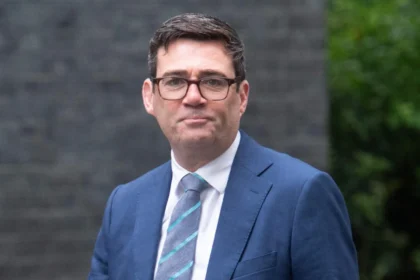
- Dublin Diplomatic Gathering: United Kingdom Prime Minister Andy Burnham is meeting European leaders in Dublin on Thursday, November 12, 2026, during the ninth summit of the European Political Community (EPC) to finalise preparations for a broader diplomatic reset.
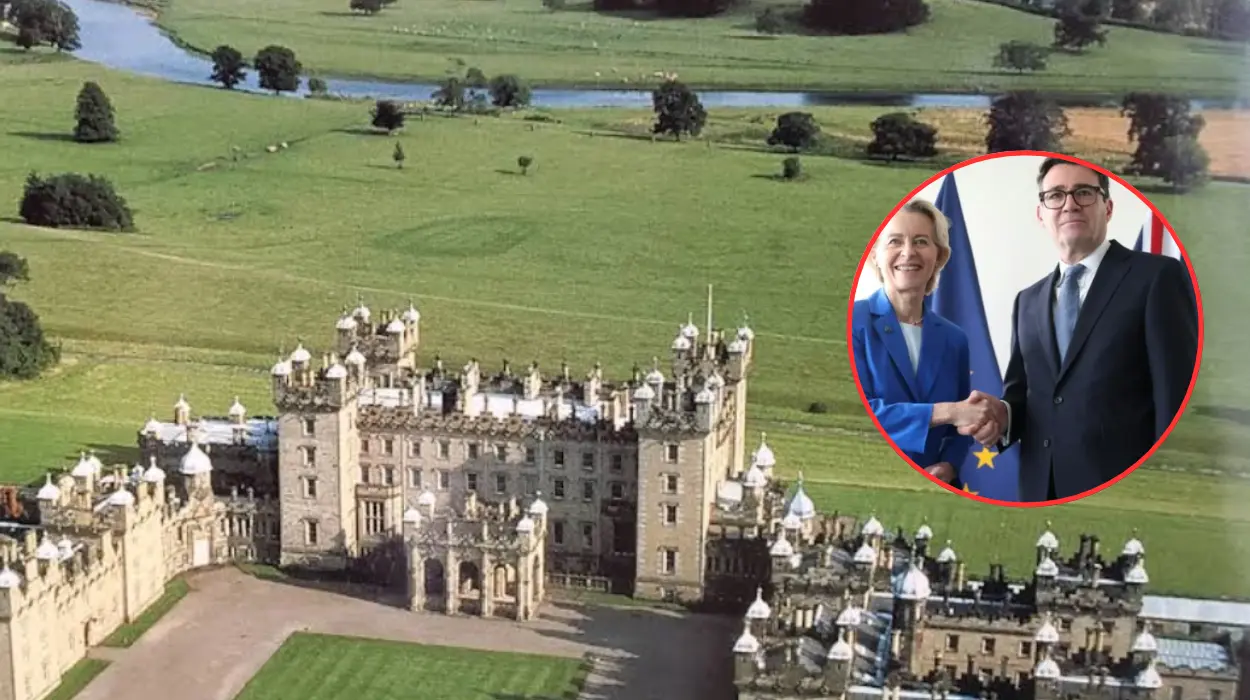
- Upcoming Brussels Summit: Prime Minister Andy Burnham is scheduled to meet European Commission President Ursula von der Leyen and European Council President António Costa in Brussels on November 20, 2026, to sign three primary bilateral agreements.
- Three Core Agreements: The proposed agreements aim to reduce regulatory red tape on food and agricultural exports, link the United Kingdom and European Union emissions-trading schemes, and establish a three-year youth experience mobility scheme.
- Sticking Points in Negotiations: Negotiators are still debating the “choreography” of the agreements, a European Union demand for European students to pay domestic tuition fees at British universities, and London’s request for inclusion in Brussels’ “Made in Europe” industrial initiative.
- Focus on Ukraine and Security: The Dublin summit—hosted by Taoiseach Micheál Martin under Ireland’s largest-ever security operation following a wave of hoax bomb threats—centres on European security guarantees for Ukraine, with Ukrainian President Volodymyr Zelensky attending alongside planned talks with United States envoys Steve Witkoff and Jared Kushner.
Dublin (Britain Today News) November 12, 2026 – United Kingdom Prime Minister Andy Burnham is holding talks with European leaders in Dublin on Thursday as British and European negotiators finalise a bilateral “reset” package scheduled for signing in Brussels on November 20, 2026. Convened under Ireland’s largest-ever policing operation amid heightened concerns over hybrid threats and daily hoax bomb alerts, the ninth European Political Community summit is primarily focused on securing long-term guarantees for Ukraine. For London, the gathering provides a critical diplomatic platform to advance agreements on food trade, carbon markets, and youth mobility designed to stimulate economic growth and reduce domestic living costs.
- Key Points
- What Is United Kingdom Prime Minister Andy Burnham Seeking From the European Union?
- Which Agreements Are Being Finalised Before the November 20 Brussels Summit?
- Why Are Security Measures Tightened at the Dublin European Political Community Summit?
- What Is on the Agenda for Ukraine and International Diplomacy in Dublin?
- Background: How Did Britain Reach This Stage of Post-Brexit Negotiations?
- Prediction: How Could the Brussels Reset Affect British Businesses, Students, and Consumers?
What Is United Kingdom Prime Minister Andy Burnham Seeking From the European Union?
As reported by Agence France-Presse (AFP), United Kingdom Prime Minister Andy Burnham told his cabinet on Tuesday that securing practical bilateral agreements with Brussels could deliver substantial domestic economic benefits. According to the British government, Prime Minister Andy Burnham stated: “There could be a significant prize next week if we successfully secure practical agreements that make the country better off”.
The Dublin gathering represents the first opportunity for Prime Minister Andy Burnham to meet several European counterparts in person since entering 10 Downing Street in July 2026. His attendance at the European Political Community—a biannual intergovernmental forum established by French President Emmanuel Macron in 2022—precedes a formal bilateral summit in Brussels on November 20, 2026.
At the Brussels meeting, Prime Minister Andy Burnham is expected to sign three core agreements with European Commission President Ursula von der Leyen and European Council President António Costa. As detailed by Marcus Hensley of Roic News, the British government has prioritised reducing border paperwork and costs for farmers and food exporters, deepening cooperation on emissions trading, and facilitating cross-Channel movement for young people.
In addition to these immediate measures, Prime Minister Andy Burnham has pledged to outline broader options for Britain’s future institutional relationship with the 27-nation bloc around the time of the November 20 summit. While he has ruled out rejoining the European Union during the current parliamentary term, he has publicly raised the possibility that the United Kingdom could apply to rejoin the bloc in the future.
Which Agreements Are Being Finalised Before the November 20 Brussels Summit?
According to reporting by AFP, diplomatic officials in Brussels have expressed optimism regarding the outcome of the November 20 summit, although detailed negotiations continue over specific provisions. A senior European Union diplomat, speaking to AFP on condition of anonymity, noted that while the three primary agreements appear largely complete, discussions remain ongoing regarding the “choreography” of how the separate texts fit together.
European Union ambassadors convened on Wednesday, November 11, 2026, for a fresh round of discussions on a draft summit communiqué and are scheduled to revisit the text in the days leading up to the Brussels meeting.
How Will the Proposed Youth Mobility and Trade Deals Work?
An early draft of the summit text reviewed by AFP indicates that the proposed “youth experience scheme” would permit young citizens from the European Union and the United Kingdom to reside in each other’s territories for up to three years for employment, academic study, or travel. However, negotiators have not yet reached a final compromise on a key European Union demand that London allow European students to pay domestic home-fee rates at British universities rather than higher international tuition fees.
Simultaneously, British officials are pressing Brussels to ensure the United Kingdom is not excluded from the European Union’s “Made in Europe” industrial policy drive. Meanwhile, cultural and creative sector representatives—including Alt-J keyboardist Gus Unger-Hamilton and Pendulum guitarist Peredur ap Gwynedd, in statements published by UK Music—have urged Prime Minister Andy Burnham and European leaders to resolve post-Brexit touring and equipment movement barriers.
Regarding long-term political prospects, the anonymous senior European Union diplomat told AFP: “The noises from Burnham are all very positive, even if no one believes the UK will rejoin in our lifetimes”. Within the United Kingdom, opinion polls consistently indicate that a majority of voters regret the 2016 departure from the bloc, though divisions persist within the governing Labour Party over how closely Prime Minister Andy Burnham should align with Brussels.
Why Are Security Measures Tightened at the Dublin European Political Community Summit?
The ninth European Political Community summit is taking place on Thursday, November 12, 2026, at the Convention Centre Dublin under the chairmanship of Irish Taoiseach Micheál Martin. Hosted during Ireland’s six-month Presidency of the Council of the European Union, the gathering brings together more than 40 heads of state and government—including Canadian Prime Minister Mark Carney and NATO Secretary General Mark Rutte—under the theme “Europe: strong, secure and connected”.
As reported by Niall O’Connor and Sophie Finn of The Journal, Irish authorities have mounted the largest security operation in the state’s history ahead of the largest gathering of heads of state and government ever hosted by Ireland. Garda Commissioner Justin Kelly confirmed that An Garda Síochána conducted extensive threat and risk assessments, implementing counter-drone measures and a temporary maritime exclusion zone along the River Liffey and the Dublin coastline from Wednesday through Friday.
The heightened policing follows a series of hoax bomb threats targeting European aviation and Irish media organisations throughout the week. As reported by BSS/AFP on November 6, 2026, armed police were deployed and staff were evacuated from national broadcaster RTÉ, the Irish Independent, Newstalk, Today FM, and Virgin Media after emailed bomb threats followed alerts affecting nearly 30 commercial passenger flights across Europe. Garda Commissioner Justin Kelly stated on November 10 that police had received further hoax threats earlier in the week and anticipated additional incidents ahead of Thursday’s proceedings.
What Is on the Agenda for Ukraine and International Diplomacy in Dublin?
The primary geopolitical focus of the Dublin summit is coordinating European security guarantees for Ukraine as part of potential peace negotiations with Russia. Ukrainian President Volodymyr Zelensky arrived in Dublin on the evening of Wednesday, November 11, 2026, to participate in the opening plenary session and hold bilateral and multilateral meetings with approximately 20 European leaders.
In a statement posted on social media platform X upon his arrival, cited by Arab News and AFP, President Volodymyr Zelensky stated: “Together with my team, we are beginning our visit to Ireland. We have already arrived in Dublin to attend the 9th European Political Community Summit. Bilateral and multilateral meetings with our partners are scheduled for today and tomorrow. Around 20 leaders in total”.
President Volodymyr Zelensky also confirmed plans to meet United States diplomatic envoys Steve Witkoff and Jared Kushner in Dublin. As reported by Jakub Krupa of The Guardian, the two American negotiators travelled to Moscow on Thursday morning for talks with Russian officials following two days of trilateral ceasefire discussions in Abu Dhabi, before flying to Ireland to brief the Ukrainian leader on the margins of the summit.
Background: How Did Britain Reach This Stage of Post-Brexit Negotiations?
The United Kingdom formally exited the European Union following the June 2016 Brexit referendum, entering a trade and cooperation framework that introduced customs checks, regulatory divergence, and restrictions on freedom of movement. After 14 years of Conservative Party governance, the Labour Party won the July 2024 general election under former Prime Minister Keir Starmer, who initiated a diplomatic effort to rebuild bilateral ties with Brussels.
That initiative produced the first formal UK-EU summit in London on May 19, 2025, establishing a structured framework for strategic cooperation. Following Prime Minister Andy Burnham’s assumption of office in July 2026, Downing Street accelerated negotiations to translate broad diplomatic commitments into binding sectoral agreements on agricultural trade, carbon pricing, and youth mobility. Domestically, the opposition Conservative Party—led by Kemi Badenoch—has stated that it would seek to overturn agreements negotiated by the Labour government, reflecting ongoing political contention over Britain’s relationship with Europe.
Prediction: How Could the Brussels Reset Affect British Businesses, Students, and Consumers?
If Prime Minister Andy Burnham, European Commission President Ursula von der Leyen, and European Council President António Costa successfully conclude the three agreements on November 20, 2026, the outcomes will directly affect several key groups across the United Kingdom and the European Union:
- Agricultural Exporters and Consumers: A veterinary and sanitary agreement reducing border checks and administrative paperwork would lower compliance costs and transit delays for British farmers and food producers exporting to the European single market. Over time, reduced friction in cross-Channel supply chains could ease wholesale food import expenses for British supermarkets and households, though economists note the scale and timing of retail price reductions remain dependent on final regulatory terms.
- Energy and Industrial Firms: Linking the United Kingdom and European Union emissions-trading schemes would harmonise carbon pricing across the Channel, preventing British exporters from facing European carbon border adjustment tariffs and providing greater regulatory certainty for heavy industry and energy investors.
- Young People and Universities: A three-year youth mobility arrangement would expand cross-border employment, study, and travel opportunities for British and European citizens under the age of 30. However, if London concedes to Brussels’ demand for equalised domestic tuition fees, British universities could see increased European student enrolment alongside adjustments to institutional fee revenues.