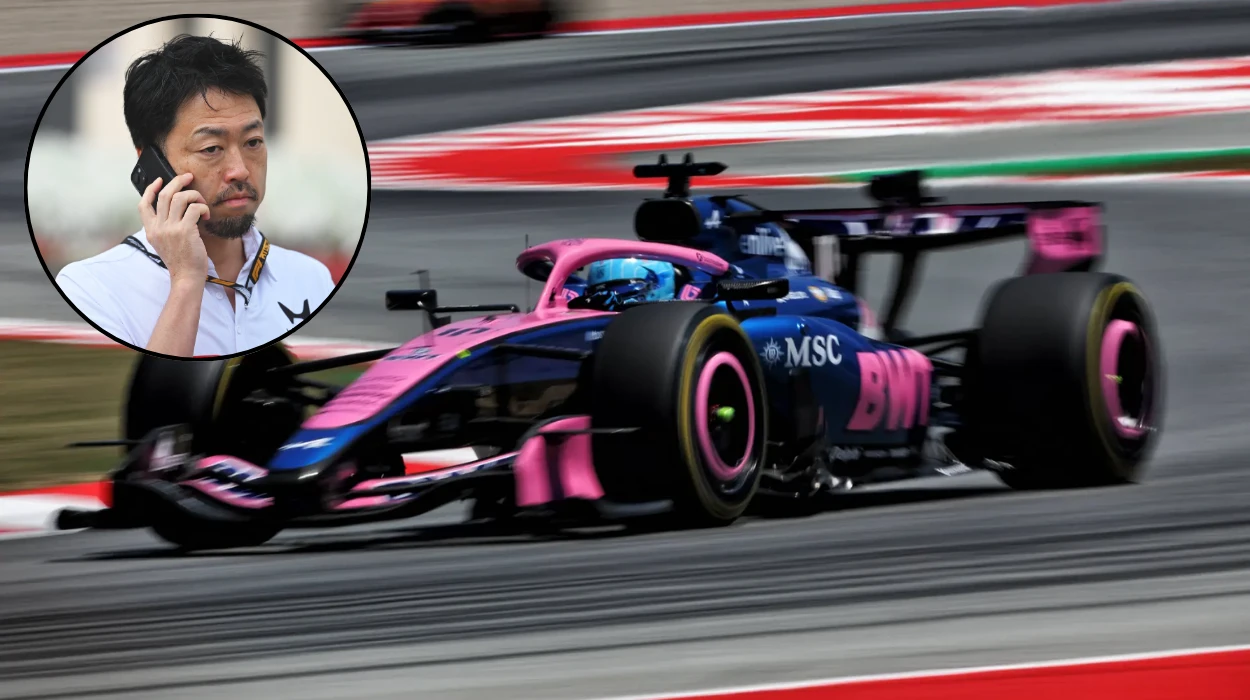
Key Points
- Honda will be making its first major engine changes of the season for the upcoming Dutch Grand Prix.
- The championship returns after the summer off and Aston Martin will be utilising Honda’s second engine specification.
- The improved power unit has been designed to help the combustion of gas and to reduce friction.
- Honda has altered the pre-chamber to speed up combustion within the engine.
- The engineers have also modified the shape of the piston to promote better combustion.
- Changes to the lubrication system are designed to minimise friction and maximise engine performance.
- Honda chief F1 engineer Shintaro Orihara said some of the modifications were “a secret”, but provided a few technical details.
- Honda has yet to announce just how much horsepower will be added to the new specification.
- Orihara confirmed that Honda Racing Corporation’s Sakura facility met its in-house performance goal.
- The update comes as Aston Martin and Honda are struggling to make a positive start to their technical partnership.
- Aston Martin has been making positive strides with its own car upgrade in Budapest last month.
- The new engine is being tested at the Netherlands Grand Prix by Honda and Aston Martin.
- The upgraded power unit is likely to be another chance for Aston Martin to get a little closer to the front of the grid.
- Honda has said they are confident of what their engineers have done at the HRC Sakura factory.
Netherlands (Britain Today News) August 10, 2026 — Honda is preparing to introduce its first significant Formula 1 engine upgrade of the season at the Dutch Grand Prix, with changes to the pre-chamber, piston shape and lubrication system designed to improve combustion and reduce friction.
- Key Points
- What changes has Honda made to the upgraded power unit?
- How will the pre-chamber improve combustion?
- Why has Honda changed the piston shape?
- What role does the lubrication system play in the upgrade?
- How much extra horsepower will the new Honda engine produce?
- What did Shintaro Orihara say about the new specification?
- Why has Aston Martin’s first year with Honda been difficult?
- How did Aston Martin’s Budapest upgrade affect expectations?
- What will Honda and Aston Martin learn in the Netherlands?
- What has Honda confirmed about the HRC Sakura facility?
- What does Honda’s upgrade mean for Aston Martin’s season?
- What happens next for Honda and Aston Martin?
The new power unit specification will be used as Aston Martin returns from the summer break. The upgrade represents an important stage in the first year of the Aston Martin-Honda partnership, which has so far proved difficult for both organisations.
Honda’s revised engine is intended to increase performance through a combination of faster combustion and lower internal friction. Although the Japanese manufacturer has not confirmed the exact horsepower gain, the company says the development programme has reached its internal target.
The Dutch Grand Prix will therefore provide the first opportunity to measure the engine’s performance in competition. Honda will be hoping that its work at the HRC Sakura facility can help Aston Martin build on the progress made after the team introduced its own technical upgrade in Budapest last month.
The timing of the new engine specification is significant. Aston Martin’s car improvement offered encouragement before the summer break, but Honda’s new power unit is expected to address another part of the overall performance picture. The team and manufacturer will now be able to assess whether the changes produce a meaningful improvement on the circuit.
What changes has Honda made to the upgraded power unit?
Honda has made changes to several important areas of the engine. The main technical revisions concern the pre-chamber, the piston shape and the lubrication system.
According to Shintaro Orihara, Honda’s chief F1 engineer, the central objective was to make combustion faster. In a Formula 1 power unit, combustion performance is a key part of overall engine efficiency, and Honda has focused its development work on extracting more performance from the revised specification.
Orihara explained in a video published by Honda:
“We focused on improving engine performance to make combustion faster.”
The comment provides a clear indication of Honda’s priority for the upgrade. Rather than revealing a single headline change, the manufacturer has worked across multiple engine systems to improve performance as a whole.
Honda has not released a complete technical breakdown of the new specification. However, Orihara confirmed that the power unit includes a revised pre-chamber, a modified piston design and changes to the lubrication system.
The combined approach suggests that Honda’s engineers have pursued incremental gains in several areas rather than relying on one major alteration. The manufacturer has described the development as a significant upgrade, but it has retained some of the technical details for competitive reasons.
How will the pre-chamber improve combustion?
The pre-chamber is one of the areas Honda has changed as part of its effort to achieve faster combustion. Orihara said the component had been revised specifically to improve the way the combustion process develops inside the engine.
“So it’s kind of a secret, but I can disclose a little bit,”
Orihara said in the Honda video.
“We changed the pre-chamber to make combustion faster.”
Honda’s decision to identify the pre-chamber as one of the upgrade’s main areas offers an insight into the engineering direction behind the new power unit. The manufacturer has not disclosed the exact design changes, meaning the full effect will only become clear when the engine is used during a race weekend.
The pre-chamber change is being introduced alongside the piston and lubrication modifications. Honda’s stated aim is to make the overall combustion process more effective while reducing losses caused by friction.
The manufacturer has not claimed that the pre-chamber alteration alone will deliver a specific amount of additional power. Instead, the component forms part of a wider list of changes developed to improve the performance of the second engine specification.
Honda will now assess how the revised system performs under competitive conditions. The Dutch Grand Prix should offer the first clear indication of whether the faster-combustion target translates into a measurable advantage for Aston Martin.
Why has Honda changed the piston shape?
Honda has also changed the shape of the piston in an effort to support better combustion. The piston is another central element of the internal combustion process, and the manufacturer believes its revised design can help the engine operate more efficiently.
Orihara said Honda had
“also changed the piston shape to get good combustion”.
The statement confirms that the piston revision is linked directly to Honda’s combustion objective. However, the company has not provided further details about the precise shape of the new piston or the performance gain expected from the change.
As with the pre-chamber alteration, the piston update forms part of a broader development package. Honda is seeking to improve the way the engine burns fuel while also reducing friction through changes to other systems.
The manufacturer’s decision to modify both the pre-chamber and piston indicates that combustion improvement has been approached from more than one direction. Honda has not separated the expected contribution of each change, and no official horsepower figure has been announced.
The revised piston will be evaluated alongside the other components of the new engine specification. Aston Martin’s engineers will be able to compare the behaviour of the upgraded power unit with the earlier version once the team begins running it at the Dutch Grand Prix.
What role does the lubrication system play in the upgrade?
Honda has made changes to the lubrication system to reduce friction inside the power unit. Friction creates resistance within an engine, and Honda believes that lowering it can help improve overall performance.
Orihara confirmed that Honda had
“modified some lubrication system to reduce friction”.
The statement is one of the few details Honda has made public about the lubrication changes. The manufacturer has not explained which specific parts of the system have been altered or how much performance the revisions are expected to recover.
Honda’s approach is based on combining several areas of development. Faster combustion is expected to help the engine generate performance, while reduced friction is intended to limit internal losses.
The lubrication system changes are therefore connected to the wider design philosophy of the upgrade. Honda is not presenting the second specification as a single-purpose engine. Instead, it has assembled a package that includes combustion, piston and friction-related improvements.
Orihara summarised the scale of the work by saying:
“We had quite a big list to improve engine performance.”
That comment indicates that the revised lubrication system is one part of a much larger development programme. Honda will be hoping that the combined changes provide a stronger result than any individual update would have delivered on its own.
How much extra horsepower will the new Honda engine produce?
Honda has not revealed exactly how much additional horsepower the new engine specification will produce. The lack of a precise figure means that the immediate performance target remains confidential.
When Orihara was asked how much extra horsepower he expected the new power unit to deliver, he replied:
“I can’t disclose the detailed number, but we have achieved our internal target.”
Honda’s decision not to publish a figure is consistent with Orihara’s earlier description of some of the technical information as “a secret”. The manufacturer has provided a general explanation of the changes but has kept the most commercially sensitive performance data private.
The absence of a horsepower figure also means that the upgrade cannot yet be judged solely by its headline output. Its effect may instead be assessed through Aston Martin’s performance across qualifying and race conditions.
Honda will also need to consider how the new specification performs in terms of reliability and operational consistency. The supplied report does not provide any reliability target or expected mileage figure for the upgraded engine, so those aspects will have to be assessed at the Dutch Grand Prix.
For now, Honda’s official position is that the development work has achieved the target set internally by the company. The real significance of that achievement will become clearer when Aston Martin uses the power unit in a competitive environment.
What did Shintaro Orihara say about the new specification?
Orihara offered a rare insight into Honda’s engine development while speaking in a video published by the manufacturer. His comments revealed the broad objectives of the upgrade without disclosing the full technical design.
“We focused on improving engine performance to make combustion faster,”
Orihara said.
He then identified the main changes, adding:
“So it’s kind of a secret, but I can disclose a little bit. We changed the pre-chamber to make combustion faster, and we also changed the piston shape to get good combustion. We modified some lubrication systems to reduce friction. We had quite a big list to improve engine performance.”
The Honda engineer later confirmed that the manufacturer’s internal performance objective had been reached.
“I can’t disclose the detailed number, but we have achieved our internal target,”
Orihara said.
“I’m confident in what the HRC Sakura factory guys achieved for the spec two engine. We are excited to bring a new spec engine to the Netherlands, and we will see where we are.”
His comments communicate confidence while acknowledging that the full effect of the upgrade remains unknown. Honda has completed its development work, but the manufacturer and Aston Martin must now establish how the new power unit performs against their rivals.
Why has Aston Martin’s first year with Honda been difficult?
The opening year of the Aston Martin-Honda partnership has proved challenging. The supplied report does not identify every cause of those difficulties, but it confirms that both the British team and the Japanese manufacturer have faced a demanding start to their collaboration.
A new technical partnership requires the team and engine supplier to work together across the car’s design, operation and development programme. Honda’s new engine specification arrives as part of that continuing process.
The manufacturer is now attempting to provide Aston Martin with an additional performance step through its updated power unit. The team had already introduced its own upgrade package in Budapest last month, and that change produced encouraging signs.
Honda’s engine update is expected to complement the progress made by Aston Martin’s chassis and car development work. The two developments are separate, but their combined performance will be important when the team returns to action.
The Dutch Grand Prix will show whether Aston Martin can convert the encouragement from Budapest into a more sustained improvement. It will also reveal whether Honda’s second engine specification can strengthen the partnership’s competitive position.
Neither Aston Martin nor Honda has been presented as having solved all its problems. Instead, the new power unit represents another step in a partnership that is still developing during its first season together.
How did Aston Martin’s Budapest upgrade affect expectations?
Aston Martin introduced its own upgrade package in Budapest last month and made encouraging progress. That result has raised expectations ahead of Honda’s engine update, although the supplied report does not provide specific lap-time figures or championship positions.
The team’s progress is important because it gives Aston Martin a platform on which to evaluate Honda’s new specification. If the car upgrade has improved the vehicle’s underlying performance, a stronger power unit could help the team make further gains.
However, the two upgrades will not be assessed independently. Formula 1 performance depends on the interaction between the car and its power unit, meaning Aston Martin will need to understand how the revised Honda engine works with the latest version of its chassis.
The Dutch Grand Prix will be the first race at which both developments can be considered together. The outcome should provide a clearer picture of whether Aston Martin’s progress before the summer break can continue after the championship resumes.
Honda’s upgrade is therefore arriving at a crucial moment. Aston Martin has already shown signs of improvement, while Honda is bringing a new engine designed to deliver faster combustion and reduced friction.
What will Honda and Aston Martin learn in the Netherlands?
Honda and Aston Martin will use the Dutch Grand Prix to evaluate the performance of the second engine specification. The race weekend will provide data from practice, qualifying and the Grand Prix itself, although the supplied report does not state the exact testing programme planned for the new power unit.
The manufacturer will be watching for evidence that the revised pre-chamber and piston shape have improved combustion. It will also assess whether the lubrication changes have reduced friction as intended.
Aston Martin’s engineers will need to compare the new engine’s performance with the previous specification. That comparison can help establish whether the internal target achieved at HRC Sakura has translated into a practical advantage on the circuit.
Honda will also be focused on how the engine behaves across different operating conditions. The manufacturer has not published specific expectations for qualifying performance, race pace or fuel efficiency, so those details will only become available through track running and official team statements.
Orihara said Honda was
“excited to bring a new spec engine to the Netherlands”.
His comments underline the importance of the race as the first competitive test of the upgrade.
The result will not necessarily provide a complete verdict on the Aston Martin-Honda partnership. It will, however, offer an important indication of the direction in which the collaboration is moving.
Can the new engine help Aston Martin take another step forward?
Honda’s upgraded engine could help Aston Martin build on the progress made in Budapest, but the scale of any improvement remains unconfirmed. Honda has stated that it achieved its internal target, yet it has not disclosed the additional horsepower expected from the specification.
The engine’s potential benefit will depend on how effectively the changes work together. Faster combustion, improved piston design and reduced friction are intended to increase performance, but the final result must be measured on the track.
Aston Martin will return from the summer break with two reasons for optimism: its own car upgrade and Honda’s new power unit. The team’s first year with Honda has been difficult, but the latest developments could provide a fresh opportunity to improve its competitiveness.
The Dutch Grand Prix will ultimately determine whether the upgrade delivers the progress Honda hopes to see. Until the engine runs in a race environment, claims about its advantage must remain measured.
Honda has offered confidence rather than a numerical promise. Orihara’s confirmation that the internal target has been achieved is encouraging, but the manufacturer still has to demonstrate the result through Aston Martin’s performance.
What has Honda confirmed about the HRC Sakura facility?
Honda has confirmed that the development work for the second engine specification was carried out at Honda Racing Corporation’s Sakura facility. Orihara expressed confidence in the engineers responsible for completing the project.
“I’m confident in what the HRC Sakura factory guys achieved for the spec two engine,”
Orihara said.
His statement represents Honda’s strongest public assessment of the new power unit so far. While the manufacturer has withheld the detailed horsepower figure, it has made clear that the engine has met the company’s internal development objective.
The Sakura facility’s work included the revisions to the pre-chamber, piston shape and lubrication system. Honda has not provided a complete account of the testing process or the number of development stages involved.
The next stage will be the engine’s use at the Dutch Grand Prix. Track performance will determine whether the factory’s expectations are reflected in Aston Martin’s results.
When will the new Honda engine make its competitive debut?
The second Honda engine specification will make its competitive debut at the Dutch Grand Prix later this month. Aston Martin is expected to use the upgraded power unit when Formula 1 returns from the summer break.
Honda has described the Netherlands race as the destination for the new specification, but the supplied information does not include details about which Aston Martin car or driver will first run it during practice.
The Dutch Grand Prix will give the manufacturer its first official opportunity to evaluate the engine under race-weekend conditions. It will also allow Aston Martin to assess the effect of Honda’s upgrade alongside the team’s own Budapest package.
For now, the expected benefits are clear in principle but unconfirmed in scale. Honda is targeting faster combustion and reduced friction, while keeping the detailed performance figure confidential.
The outcome at the Netherlands circuit will therefore be closely watched by Aston Martin and Honda. It will be the first major test of whether the partnership can turn its latest development work into a tangible step forward.
Explore More about Sports:
Lionel Messi’s Father, Jorge Messi, Dies Aged 68
Kyle Ryde Smashes Lap Record for 250GP Victory
What does Honda’s upgrade mean for Aston Martin’s season?
Honda’s new engine specification gives Aston Martin an important development opportunity as the season enters its next phase. The partnership has faced challenges, but the team’s Budapest progress and Honda’s new power unit provide signs of renewed momentum.
The upgrade is not being presented as a guaranteed transformation. Honda has not disclosed the horsepower gain, and no claim has been made that the new specification will resolve every performance issue facing Aston Martin.
Instead, the power unit is another element of the team’s broader development effort. The revised combustion system, piston shape and lubrication system are designed to improve performance through several combined gains.
Honda’s internal target has been achieved, according to Orihara, but the decisive judgement will come from the circuit. Aston Martin’s results in the Netherlands should show whether the latest engine specification can help the team continue the progress it began in Budapest.
For Honda, the Dutch Grand Prix will be a test of the work completed at HRC Sakura. For Aston Martin, it will be an opportunity to establish whether its first season with the Japanese manufacturer can begin to produce stronger competitive results.
What happens next for Honda and Aston Martin?
Honda will now prepare to run the second engine specification at the Dutch Grand Prix, while Aston Martin will return from the summer break with its latest car upgrade already in place.
The manufacturer has revealed enough information to confirm the main direction of the project, but it has kept the most important performance figure private. The result on track will provide the clearest evidence of whether the new power unit has delivered the expected improvement.
Until then, Honda’s message remains cautious but confident: the engine has met its internal target, and the engineers at the Sakura facility believe they have made meaningful progress.
The first-year partnership with Aston Martin remains a work in progress. The Dutch Grand Prix will provide the next significant measure of whether Honda’s “secret” engine changes can help the British team take another step forward.