Key Points
- Sir Sadiq Khan awarded a peerage among 26 individuals as Sir Keir Starmer departed No10
- The London Mayor is set to take a seat in the House of Lords during his third mayoral term
- Political reaction across London is sharply divided, with both praise and criticism emerging
- Government sources described Khan as a “brilliant mayor” who has transformed London
- Labour MPs widely welcomed the appointment, highlighting his public service record
- Supporters credited Khan with reducing violent crime, improving air quality, and delivering infrastructure projects
- Critics raised concerns over political motivations and questioned the timing of the honour
- Khan has not yet confirmed whether he will seek re-election in the 2028 mayoral contest
- A recent poll indicates he could secure a fourth term if he chooses to run
- The peerage has reignited debate over Khan’s legacy as Mayor of London
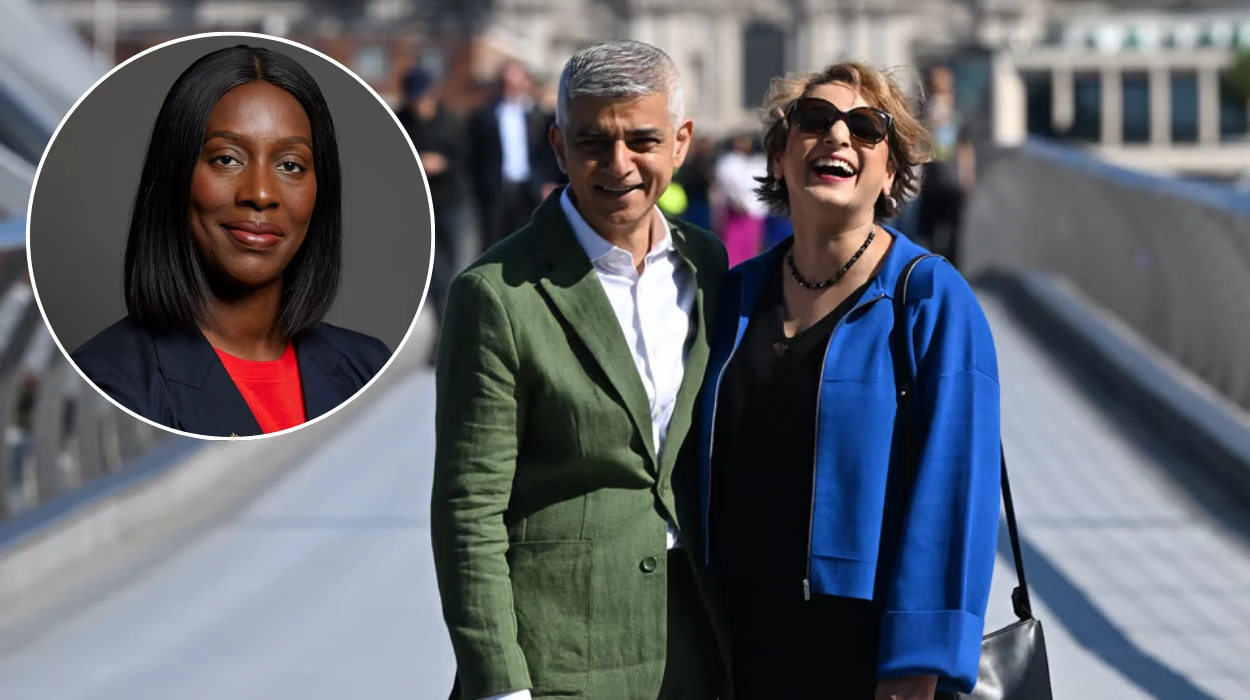
London (Britain Today News) July 17, 2026 – Sir Sadiq Khan’s elevation to the House of Lords has triggered a significant politics debate across the capital, following his inclusion among 26 individuals awarded peerages as outgoing Prime Minister Sir Keir Starmer prepared to leave Downing Street. The honour marks a pivotal moment in Khan’s political career, positioning him within the UK’s upper legislative chamber while he continues to serve as Mayor of London during his third term.
- Key Points
- Why are reactions to Sadiq Khan’s peerage so divided?
- What support did Sir Keir Starmer give to Sadiq Khan?
- How have Labour MPs reacted to the announcement?
- What achievements of Sadiq Khan are being highlighted by supporters?
- What impact has Sadiq Khan had on London’s communities?
- Why do critics question the timing of the peerage?
- What does this mean for Sadiq Khan’s future political plans?
- How unusual is it for a sitting mayor to join the House of Lords?
- What broader debate has this sparked about political honours?
- How has Sadiq Khan’s personal journey shaped reactions?
- What is the significance of this moment for London politics?
The peerage formally entitles Sir Sadiq to sit in the House of Lords, contributing to legislative scrutiny and national debate. The move is notable given his ongoing executive role in City Hall, raising questions about how he will balance responsibilities across both positions.
Why are reactions to Sadiq Khan’s peerage so divided?
The announcement immediately sparked contrasting reactions from across the political spectrum. While allies have celebrated the recognition of Khan’s public service, critics have described the decision in starkly different terms, ranging from “hypocrisy” to “disastrous”.
This division reflects broader disagreements over Khan’s record as Mayor of London. Supporters argue his tenure has delivered measurable improvements in public safety, housing, and environmental standards, while opponents contend that challenges such as crime rates and housing affordability remain unresolved.
What support did Sir Keir Starmer give to Sadiq Khan?
A government source close to Sir Keir Starmer offered unequivocal backing for the decision. The source stated:
“Sadiq has been a brilliant mayor who has transformed London for the better, so this is thoroughly deserved.”
The same source added further justification for the honour, highlighting key achievements:
“He has cut violent crime to record lows, cleaned up the capital’s air, delivered the Elizabeth Line and got London building council homes again.”
These remarks underline the government’s position that Khan’s leadership has produced tangible outcomes, particularly in infrastructure and environmental policy.
How have Labour MPs reacted to the announcement?
Labour MPs across London were quick to express their support for Sir Sadiq, with many taking to social media to congratulate him and emphasise his journey and achievements.
Dr Rosena Allin-Khan, his successor as MP for Tooting, posted:
“Huge congratulations to @SadiqKhan on his well-deserved peerage. From growing up on the Henry Prince Estate to leading our capital city and now a member of the Lords – he’s a dedicated public servant.”
Uma Kumaran, MP for Stratford and Bow, described the appointment as:
“A brilliant appointment to the House of Lords.”
She further added:
“Having worked closely with Sadiq over the course of a decade, I’ve had the privilege of seeing first-hand his unwavering commitment to London, his determination to help our city and all who call it home thrive.”
What achievements of Sadiq Khan are being highlighted by supporters?
Supporters have pointed to several key areas of Khan’s mayoralty as justification for the peerage. These include efforts to reduce violent crime, improve air quality, expand housing availability, and deliver major infrastructure projects.
Uma Kumaran also praised his broader impact, stating:
“Sadiq’s story is the embodiment of the dream of London, the promise of what’s possible in the best city in the world.”
Similarly, Miatta Fahnbulleh, Labour MP for Peckham, emphasised his social contributions:
“Wonderful news – delighted for @sadiqkhan, who has dedicated his life to standing up for Londoners & making our city fairer, safer, and greener for all.”
What impact has Sadiq Khan had on London’s communities?
Florence Eshalomi, MP for Vauxhall and Camberwell Green, highlighted the generational impact of Khan’s policies, particularly in areas such as environmental quality and education support.
She stated:
“South London stand up – so pleased to see this news. @sadiqkhan’s record as Mayor speaks for itself – a whole generation of young people growing up with cleaner air, free school meals and more opportunities at their finger tips.”
These remarks reflect a narrative among supporters that Khan’s policies have delivered long-term benefits, particularly for younger Londoners.
Why do critics question the timing of the peerage?
While Labour figures have largely rallied behind Khan, critics have questioned both the timing and the implications of the peerage. The decision coincides with Sir Keir Starmer’s departure from No10, prompting speculation about political motivations.
Opponents argue that awarding such honours during a transitional political moment risks appearing partisan or strategic, rather than purely merit-based. The debate has also touched on whether active political figures should be elevated to the Lords while still holding executive office.
What does this mean for Sadiq Khan’s future political plans?
The peerage comes at a time when Sir Sadiq Khan has yet to confirm his intentions regarding the 2028 London mayoral election. He has indicated that he is likely to make a decision next year on whether to seek a fourth term.
A recent poll suggests that he would be well-positioned to win re-election if he chooses to stand. This raises questions about how his new role in the House of Lords might influence his future political trajectory.
How unusual is it for a sitting mayor to join the House of Lords?
It is relatively uncommon for a sitting mayor of a major global city to be elevated to the House of Lords while still in office. The dual role presents both opportunities and challenges, particularly in terms of managing responsibilities and potential conflicts of interest.
However, it also offers a platform for Khan to influence national legislation while continuing to oversee London’s governance, potentially strengthening the capital’s voice at Westminster.
What broader debate has this sparked about political honours?
The controversy surrounding Khan’s peerage has reignited wider discussions about the UK honours system. Questions have been raised about transparency, criteria for selection, and the balance between political service and political reward.
For supporters, the honour represents recognition of a career dedicated to public service. For critics, it raises concerns about the politicisation of peerages and the perception of favouritism.
How has Sadiq Khan’s personal journey shaped reactions?
Many supporters have highlighted Khan’s personal story as a key factor in their support for the peerage. From his upbringing on a council estate to becoming Mayor of London and now a member of the House of Lords, his journey has been framed as emblematic of social mobility.
Jas Athwal, MP for Ilford South, described the honour as:
“This honour is a fitting recognition of his years of selfless service to our city. Congratulations, Lord Sadiq Khan.”
This narrative has resonated strongly among Labour MPs, who view his career as reflective of broader opportunities within London.
Explore More about Politics:
Andy Burnham Becomes Labour Leader, Vows Britain’s ‘Most Significant Change’ in 40 Years
UK Government Unveils Midnight Social Media Curfew for Teens
What is the significance of this moment for London politics?
Sir Sadiq Khan’s elevation to the House of Lords marks a significant moment in London’s political landscape. It underscores both his influence within the Labour Party and his prominence on the national stage.
At the same time, the divided reactions highlight ongoing debates about his leadership and legacy. As London continues to face challenges related to housing, transport, and public safety, Khan’s record will remain under close scrutiny.
The peerage awarded to Sir Sadiq Khan has become more than a ceremonial recognition; it is a focal point for broader political debate. Supporters see it as a deserved honour reflecting years of service and achievement, while critics question its timing and implications.
As Khan prepares to take his seat in the House of Lords, the discussion surrounding his legacy is likely to intensify. Whether this moment strengthens his political standing or deepens divisions will depend on how he navigates the dual roles and the challenges ahead.