


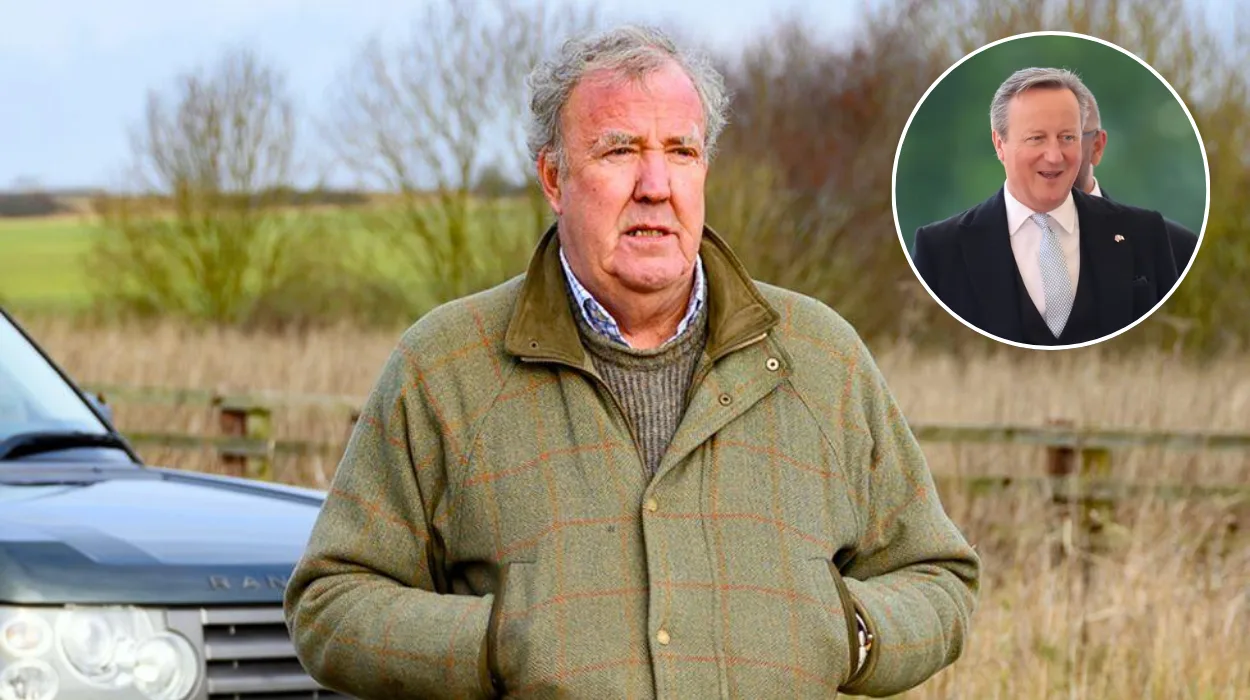
Key Points
- Jeremy Clarkson and former prime minister Lord David Cameron have met to discuss their prostate cancer diagnoses alongside other public figures.
- Clarkson revealed an early diagnosis of “aggressive” prostate cancer in the fifth season of Clarkson’s Farm and later confirmed he is in remission.
- A recent PSA test two months ago showed no signs of cancer, according to Clarkson speaking to The Times.
- Clarkson says his public disclosure prompted other men to get checked; people have approached him in public saying his openness led to their own diagnosis.
- Clarkson, Giles Coren and David Cameron form an informal group that meets to compare medical notes, including Gleason scores and PSA results.
- He described complications after resuming blood-thinning medication following cancer treatment, calling the resulting emergency “horrific” and self-inflicted.
- Clarkson reflected on the emotional impact of the diagnosis and urged men to get checked, calling screening “a no-brainer.”
- He compared experiences with other public figures affected by cancer and praised those who continue despite inoperable disease.
- Clarkson’s health history includes a heart procedure with two stents, quitting smoking after pneumonia, and earlier vascular/cardiac medication that complicated cancer recovery.
- Clarkson filmed parts of his recovery during Clarkson’s Farm season finale from a hospital bed; he said the news “landed harder than I thought it would.”
- The story emphasises public-health implications: celebrity disclosures can drive screening uptake and earlier detection.
United Kingdom (Britain Today News) June 20, 2026 — TV presenter Jeremy Clarkson has revealed he met with former prime minister Lord David Cameron to discuss their prostate cancer diagnoses and the experiences of other famous friends, saying the group now meets “every so often” to compare notes and urging men to get checked after his own early but “aggressive” diagnosis put him into remission.
- Key Points
- Who met whom to discuss prostate cancer and why is this significant?
- Why does Clarkson urge men to get checked?
- What complications did Clarkson experience during treatment?
- What is Clarkson’s wider health background?
- What does Clarkson say about others with inoperable cancers?
- What are the public-health implications of celebrity disclosures?
- What does this mean for men reading the story?
- Why does this story matter beyond celebrity news?
- What next steps did Clarkson indicate?
Who met whom to discuss prostate cancer and why is this significant?
As reported by Jeremy Clarkson in an interview with The Times, Clarkson said:
“So now there’s a group of us, (food writer) Giles Coren, David, me, one or two other people, and we meet for lunch every so often. Everybody has different Gleason scores, and everybody has different Stockholm and PSA scores. We all compare notes and I actually get muddled with what mine were.”
The presenter used the meetings to underline how discussion and openness among public figures can normalise checks and encourage earlier detection.
What did Clarkson say about his diagnosis and current condition?
Clarkson disclosed his diagnosis of “aggressive” prostate cancer during the fifth season of Clarkson’s Farm and later told The Times a PSA test two months ago showed no indication of cancer, confirming he is officially in remission. He stated candidly:
“I did, and that’s why I’m sitting here talking to you 11 months down the line.”
How did the diagnosis affect Clarkson emotionally?
Clarkson admitted the news “landed harder than I thought it would.” Speaking reflectively, he said:
“I’ve seen so many people die of cancer. It doesn’t bear thinking about what it must be like to live knowing that an illness is going to kill you. It must be very, very, very distressing.”
Why does Clarkson urge men to get checked?
In his interview he issued a direct plea:
“Please, please, please go and get checked. It’s not uncomfortable, it’s not undignified, and it’s a no-brainer.”
He recounted encounters in public conveniences where men told him that, had he not publicly owned up to his illness, they would not have gone to be tested and would not have found their cancers.
What complications did Clarkson experience during treatment?
As reported by Clarkson, complications arose when he restarted blood-thinning tablets he had taken for prior vascular and cardiac problems. He described the resulting crisis as “horrific,” saying:
“Two or three weeks after the cancer operation, I thought I’d better put myself back on those blood thinners. Big mistake, huge. It (resulted in) a very big emergency in the middle of the night. I’m not even going to go into the treatment that was required as a result of that, because it was horrible. I didn’t ask a doctor, I just thought, ‘I’m sure it will be all right to go back on blood thinners’.”
What is Clarkson’s wider health background?
Clarkson had a heart procedure almost two years earlier that saw him fitted with two stents to improve blood flow. He has previously been advised to reduce work and take up less strenuous pursuits; at the time of the stent procedure he told readers he was told to replace work with golf. Clarkson also previously quit smoking after contracting pneumonia while on holiday in Spain.
How did Clarkson’s Farm cover his illness?
In the season finale of Clarkson’s Farm, Clarkson spoke from a hospital bed, documenting parts of his recovery and noting the emotional and physical toll of treatment. The series, which follows Clarkson running Diddly Squat Farm near Chipping Norton, has increasingly included personal health developments alongside farming narratives.
Explore More about Entertainment:
Jeremy Clarkson Diagnosed with Aggressive Prostate Cancer
Newlywed Dua Lipa Enjoys Luxury Getaway on Denis O’Brien’s Superyacht
What does Clarkson say about others with inoperable cancers?
Clarkson reflected empathically on those facing inoperable diagnoses, citing former Olympic cyclist Chris Hoy as an example of the cruel unpredictability of cancer.
“To be told your cancer is inoperable and to still carry on you’d have to be incredibly brave,”
he said, praising the fortitude of those who continue despite grim prognoses.
How has public reaction manifested?
Clarkson described encounters where people approach him unexpectedly, sometimes in restrooms, crediting his openness with prompting their own medical checks. He joked about the oddity of their curiosity:
“But it is quite funny watching people looking at us and going, ‘that’s quite an interesting group of people, what do they all share in common?’”
What are the public-health implications of celebrity disclosures?
Clarkson’s account illustrates how celebrity disclosure can act as a catalyst for screening uptake among men, a group in which prostate cancer screening uptake can lag. Public discussion by well-known figures can reduce stigma and encourage earlier presentation, which is often key to successful treatment.
Are there medical specifics mentioned about the cancer?
Clarkson referenced differing Gleason and PSA scores among his group but did not provide his exact numerical values publicly. He described his cancer as “aggressive,” but also emphasised it was discovered early and successfully treated to a point of remission, as supported by a recent PSA test showing no sign of disease.
What does this mean for men reading the story?
Clarkson’s core message to readers is clear: screening is simple, not undignified, and can save lives. His personal experience is used as a public-health appeal: “Go and get checked,” he demanded, reiterating the ease and importance of testing.
How has Clarkson’s attitude to health and work changed?
Following his cardiac procedure and cancer treatment, Clarkson acknowledged his own misjudgements—particularly restarting blood thinners without medical advice—and the need to follow clinical guidance. He previously reported being told to stop working temporarily after his heart surgery and to take up golf instead, marking a shift towards prioritising health.
Why does this story matter beyond celebrity news?
Beyond the personalities, the story highlights how disclosure, early detection and correct medical supervision interact to determine outcomes in cancer care. It underlines the responsibilities of patients to consult clinicians when altering medication and the potential benefits of public role models in health promotion.
What direct quotes are included from Clarkson?
Clarkson offered several direct lines that illuminate his experience and message:
- “So now there’s a group of us, (food writer) Giles Coren, David, me, one or two other people, and we meet for lunch every so often.”
- “Please, please, please go and get checked. It’s not uncomfortable, it’s not undignified, and it’s a no-brainer.”
- “I did, and that’s why I’m sitting here talking to you 11 months down the line.”
- “That was horrific and it was all my own fault. I’d been on drugs for heart issues and I had to come off them during the cancer treatment… Big mistake, huge.”
- “I’ve seen so many people die of cancer. It doesn’t bear thinking about what it must be like to live knowing that an illness is going to kill you.”
What next steps did Clarkson indicate?
Clarkson did not outline further public-facing campaigns but suggested that the informal meetings with other figures served both social and practical support roles. His repeated exhortation for men to be screened functions as a continuing public message.
How has the disclosure impacted Clarkson’s public image?
Clarkson’s admission adds a personal and vulnerable dimension to a public persona long associated with outspoken commentary. The candidness of his account garnered attention not only for the medical facts but for the way it spurred conversations about male health and screening.