Key Points
- Theramex HQ UK Ltd has been publicly reprimanded by the PMCPA over serious compliance failures linked to its HRT products Evorel and Intrarosa.
- The regulator said the company failed to update prescribing information for several years and did not clearly state that some medicines must not be used during pregnancy.
- The PMCPA found 13 breaches in Case/0303/09/24, and 21 breaches overall across the cases considered in the latest action.
- The authority said the failings represented “fundamental compliance errors” and a “systemic failure in compliance oversight” that risked patient safety.
- Theramex left PMCPA self-regulation on 28 January 2026, before the February appeal meeting, and said it would instead fall under MHRA oversight.
- The PMCPA said leaving the system delayed regulatory action and oversight, while the MHRA said it retained legal powers to investigate concerns and act where public safety was at issue.
- ABPI medical director Dr Amit Aggarwal said Theramex had “fallen seriously short” of the standards expected under the code.
- MHRA executive director Julian Beach said the agency was disappointed by Theramex’s exit from PMCPA but would take any necessary steps to ensure patient safety.
- Theramex said it had acted promptly once aware of the historical issues, commissioned an independent external audit, and implemented compliance enhancements.
What did the regulator find?
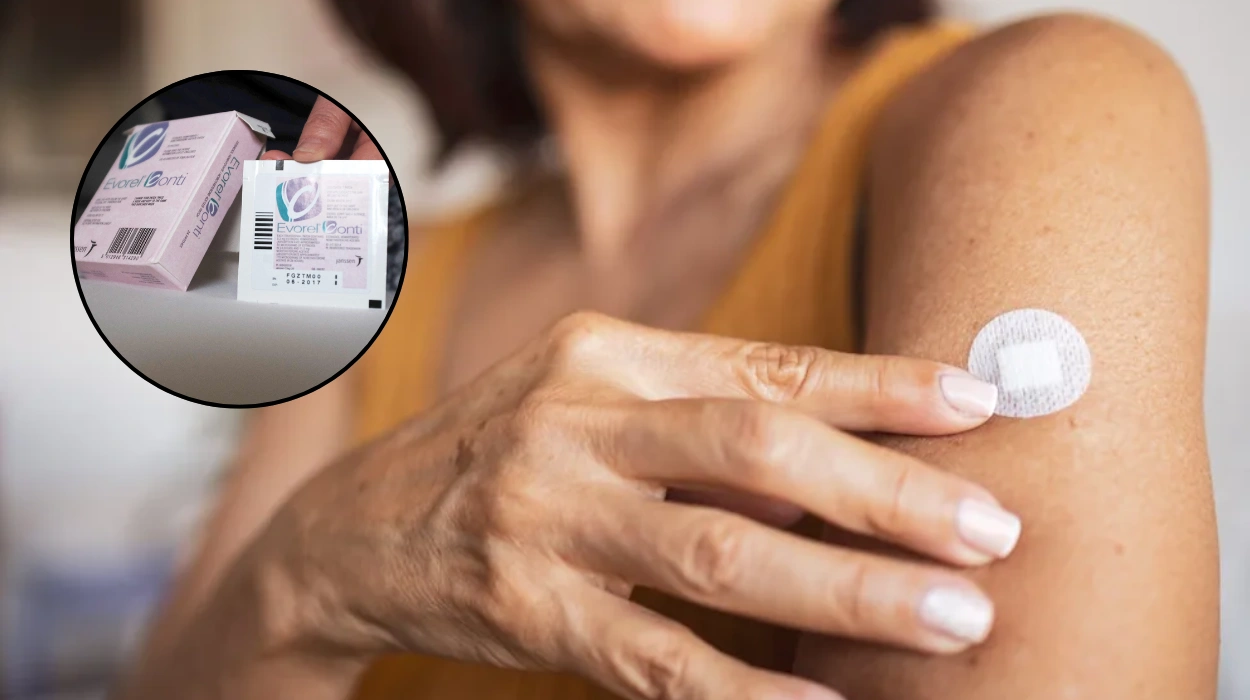
United Kingdom (Britain Today News) April 22, 2026 – The UK pharmaceutical industry’s self-regulatory body has issued one of its strongest public rebukes to Theramex HQ UK Ltd after ruling that the company’s conduct over several medicines raised serious patient safety and compliance concerns. The case centred on long-running failures involving prescribing information for Evorel, an estradiol patch widely used in hormone replacement therapy, and Intrarosa, a prasterone treatment, alongside promotional breaches involving Yselty, a medicine used for uterine fibroids.
The PMCPA said Theramex failed to provide up-to-date prescribing information for the Evorel range and Intrarosa for several years, even after changes to the summary of product characteristics had been made. It also said the company did not adequately highlight pregnancy-related contraindications and failed to include other mandatory information in promotional material. In the regulator’s view, these shortcomings were not minor administrative errors but problems that went to the heart of safety, transparency and trust.
Why was Theramex reprimanded?
As reported by the PMCPA, the Code of Practice Panel ruled 13 breaches in Case/0303/09/24 alone, including that Theramex had brought discredit upon, and reduced confidence in, the pharmaceutical industry. The panel said the pattern of behaviour indicated a deeper problem in compliance oversight rather than a one-off lapse. It was particularly critical that the company had not promptly updated information after changes to product safety details, leaving prescribing materials out of date for years.
In the later press release, the PMCPA said Theramex breached the ABPI Code 21 times across the matters reviewed. Those breaches included failing to maintain high standards, providing misleading information, promoting a medicine inconsistently with its SPC, and failing to include prescribing information and an adverse event reporting statement in advertising. The regulator said the company’s conduct had not only jeopardised patient safety but also damaged confidence in the pharmaceutical industry.
What happened with self-regulation?
The dispute deepened when Theramex informed the PMCPA on 28 January 2026 that it would no longer accept the authority’s jurisdiction and would leave the self-regulatory framework. That decision came before the February 2026 Appeal Board meeting, and Theramex declined to attend or submit a written response to the board’s request. The PMCPA said the move meant the company had stepped away while sanctions were still ongoing and the case had not been completed.
The Appeal Board said it was “extremely disappointed” by Theramex’s decision and viewed it as a failure to take responsibility within the self-regulatory system. It said requiring the MHRA to assume full responsibility inevitably delayed regulatory action and oversight. The board also ordered an audit of Theramex’s procedures under the ABPI Code if the company sought to rejoin self-regulation in future.
What have the regulators said?
Dr Amit Aggarwal, medical director of the ABPI, said Theramex had
“fallen seriously short of the standards expected under our strict ABPI code of practice” and that the PMCPA was right to act. He also said it was disappointing that the company had chosen to leave the pharmaceutical industry’s self-regulatory system, which holds companies to standards above and beyond the law. His remarks underscored the wider industry concern that compliance failures can undermine confidence beyond a single company.
Julian Beach, MHRA executive director of healthcare quality and access, said he was disappointed that Theramex had left PMCPA oversight, but stressed that the agency would take whatever steps were needed to protect patients. He added that leaving PMCPA did not mean a company escaped scrutiny because the MHRA has legal powers to investigate concerns about medicines that may affect public safety. The regulator also noted that breaches of medicines regulations can amount to criminal offences.
How did Theramex respond?
Theramex said it took the matter seriously and acted promptly to address what it described as historical issues once it became aware of them. The company said it had carried out a comprehensive review of its compliance framework, commissioned an independent external audit and begun a broad programme of enhancements. It also said it concluded that it was more appropriate to be regulated under UK medicines legislation by the MHRA while continuing to uphold the spirit and principles of the EFPIA and ABPI codes.
The company said it withdrew from the PMCPA’s jurisdiction in January 2026 and that this approach would allow it to focus resources on maintaining high standards of ethical and compliant behaviour, with patient safety paramount. In the PMCPA’s account, however, the timing of that withdrawal meant the company left the system while the case remained unfinished and sanctions were still in play. That contrast between the company’s explanation and the regulator’s criticism lies at the centre of the dispute.
Why does this matter for patients?
The case matters because it involves medicines widely used by patients, including HRT products such as Evorel, which are among the most prescribed transdermal HRT treatments in the UK. The PMCPA said the issue was not simply whether the products themselves were safe, but whether the information accompanying them was accurate, current and complete enough for safe prescribing. Where prescribing information is outdated, clinicians may not have the full picture when advising patients or making treatment decisions.
The regulator’s language also suggests this was treated as a systemic issue rather than a paperwork lapse. It said the failures reflected deeper deficiencies in internal processes and governance, particularly around timely updates and transparency. In a sector where patients rely on clear, compliant information, the case is likely to be read as a warning to other manufacturers that regulatory expectations around accuracy and disclosure remain strict.
What happens next?
Theramex is now outside the PMCPA’s self-regulatory system, which means the MHRA will oversee medicines-related compliance issues in the UK. The PMCPA has said it is no longer responsible for the company under self-regulation, though the audit requirement would apply if Theramex sought to rejoin in future. The regulator also said the public reprimand will be published in industry journals in June 2026.
For the wider industry, the case reinforces that self-regulation depends not only on code compliance but also on cooperation when serious concerns are raised. The PMCPA’s comments show that leaving the process does not erase the underlying findings. Instead, it appears to have intensified the criticism, with the regulator arguing that patient safety and public confidence were put at risk by both the original failings and the company’s later decision to step away.