Key Points
- A total of 26 athletes from Northern Ireland will take part in the British Transplant Games in Sheffield from August 6 to 9.
- The Public Health Agency has sent its best wishes to Transplant Sport Northern Ireland ahead of the event.
- Team NI includes 20 transplanted patients and six living kidney donors, including three who donated to a stranger.
- The Games bring together around 1,000 athletes and more than 1,700 supporters each year from up to 60 teams across the UK.
- The event has run for more than 45 years and is often described as a “celebration of life”.
- Athletes will compete in 26 low-impact, high-exertion sports, alongside social and cultural events.
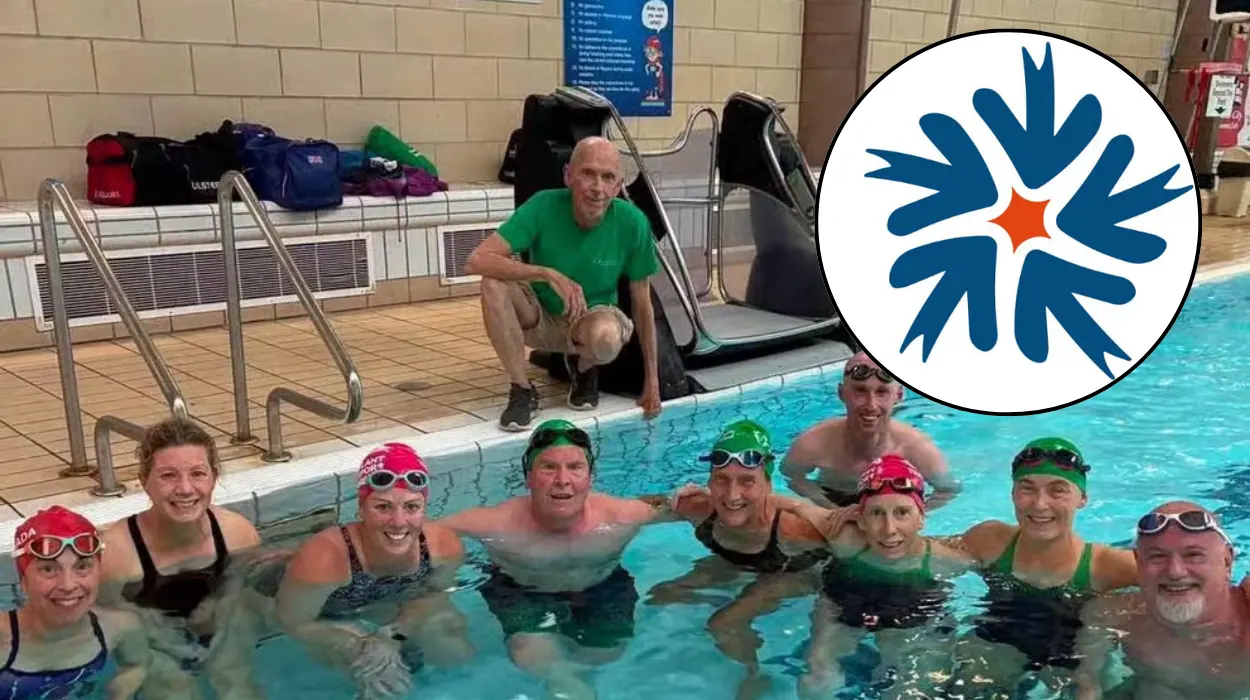
- Northern Ireland’s team includes competitors from across the region taking part in swimming, cycling, golf, archery, petanque, bowling and track and field.
- Transplant Sport Northern Ireland says sport can play an important role in transplant rehabilitation and long-term wellbeing.
- Public Health Agency organ donation promotion manager Catherine McKeown said the athletes are “a testament to the gift of life given through organ donation”.
- Support for organ donation in Northern Ireland remains high, with 90% backing and 61% of people registered on the NHS Organ Donor Register.
Sheffield (Britain Today News) August 04, 2026 – Twenty-six athletes from Northern Ireland are set to compete in the British Transplant Games in Sheffield, with the Public Health Agency offering its good wishes to Transplant Sport Northern Ireland ahead of the four-day event.
- Key Points
- Why do the British Transplant Games matter?
- How does Transplant Sport Northern Ireland support the team?
- What sports will the Northern Ireland athletes compete in?
- What message did Catherine McKeown send to the athletes?
- What did the Public Health Agency say about organ donation in Northern Ireland?
- How do the Games promote organ donation awareness?
- Why are living kidney donors included in the team?
- What does the Games experience mean for transplant recipients?
- What was Northern Ireland’s performance last year?
- What is the wider significance of the Sheffield event?
- What happens next for Team NI in Sheffield?
The team, which represents people whose lives have been changed by donation and transplantation, includes 20 transplanted patients and six living kidney donors. Among the donors are three people who gave a kidney to a stranger, underlining the varied ways in which organ donation can transform lives. The athletes come from across Northern Ireland and will compete in a range of sports designed to be both challenging and accessible.
The Games, which take place from August 6 to 9, are expected to draw about 1,000 athletes and more than 1,700 supporters every year, including donor families, healthcare professionals and volunteers. Team NI will join competitors from up to 60 other teams from across the UK in what organisers describe as a major celebration of transplantation, sport and resilience.
Why do the British Transplant Games matter?
The British Transplant Games have been running for more than 45 years and are often described as a “celebration of life”. The event combines athletic competition with a wider message about organ donation, recovery and community support.
The Games feature 26 high-exertion, low-impact sports, allowing transplant recipients and living donors to compete safely while still pushing themselves in a competitive environment. Alongside the sporting events, there is also a programme of social and cultural activities that helps create a shared experience for athletes, supporters and families.
The event is not only about medals or results. It also aims to highlight the benefits of transplantation, encourage more people to register as organ donors and support those who have already received a transplant. For many participants, the Games represent both personal achievement and public testimony to what donation can make possible.
How does Transplant Sport Northern Ireland support the team?
Transplant Sport Northern Ireland, commonly known as TSNI, coordinates the Northern Ireland team for the Games. The charity encourages and facilitates sporting and recreational activities that help transplant patients in their rehabilitation journey.
According to the information provided, TSNI believes that attending the Games can have a lasting effect on new transplant recipients. In many cases, sport becomes a regular part of rehabilitation, with participants joining local clubs and setting new sporting goals. That process can support health, confidence and motivation after transplantation.
The organisation also sees broader benefits beyond the competition itself. It says involvement in sport can improve overall wellbeing and, in many cases, help maintain stable graft function. That makes the Games both a sporting occasion and a health-focused initiative for the transplant community.
What sports will the Northern Ireland athletes compete in?
The Northern Ireland team will take part in a wide variety of disciplines at the Games, reflecting the event’s inclusive sporting format.
Athletes are expected to compete in sports including:
- Swimming.
- Cycling.
- Golf.
- Archery.
- Petanque.
- Bowling.
- Track and field.
These events are designed to provide participation opportunities for both elite and social athletes. The low-impact nature of the sports makes them suitable for many transplant recipients and donors, while still offering the excitement and structure of competitive sport.
The range of disciplines also means the Games can reflect different abilities, interests and recovery journeys. For many competitors, the chance to participate is as meaningful as any medal success.
What message did Catherine McKeown send to the athletes?
Public Health Agency Organ Donation Promotion Manager Catherine McKeown sent a message of support to the athletes ahead of the Games.
She said:
“We wish all the athletes every success in this year’s British Transplant Games and hope they enjoy an unforgettable experience.”
McKeown also highlighted the level of commitment shown by the Northern Ireland team, saying:
“They have committed to a rigorous training schedule, and last year the team achieved unbelievable medal success at the World Transplant Games, finishing 11th out of 51 countries in the medal table and bringing home a remarkable 18 Gold, 9 Silver and 8 Bronze medals.”
Her comments placed the team’s preparation and achievements in a wider context, stressing that the athletes are not only participants but also powerful examples of what organ donation can enable.
What did the Public Health Agency say about organ donation in Northern Ireland?
The Public Health Agency says support for organ donation in Northern Ireland remains strong, with 90% of people backing it. It also says 61% of the public has recorded a decision on the NHS Organ Donor Register, which it described as the highest figure among UK regions.
That level of public support matters because registration and family discussion are both central to donation decisions. The agency says the Games are one way of keeping that conversation visible, while also showing the real impact donation can have on patients and families.
According to the figures provided, 54 families in Northern Ireland supported the gift of organ donation last year, enabling 146 life-saving transplants across the UK. Those numbers show the continuing importance of donor decisions and family consent in making transplantation possible.
How do the Games promote organ donation awareness?
The British Transplant Games are more than a sports event. They are also a public reminder that organ donation can save lives and improve health outcomes for recipients.
By bringing together transplant patients, donors, donor families, healthcare professionals and volunteers, the Games create a visible community around donation and transplantation. That setting helps turn personal stories into a broader public message about the value of donor registration and family discussion.
Catherine McKeown said:
“The Games help to demonstrate the benefits of transplantation while increasing public awareness of the need for more people to join the NHS Organ Donation Register and discuss their organ donation decision with their families.”
That message lies at the heart of the event. The competition celebrates athletic achievement, but it also points to the medical and human realities behind every team member’s presence.
Why are living kidney donors included in the team?
The Northern Ireland squad includes six living kidney donors, and three of them donated to a stranger. Their inclusion reflects the fact that the Games recognise both recipients and donors as part of the transplant story.
Living donors play a crucial role in organ donation, often allowing patients to avoid or reduce long waiting times. Including them in the team also underlines that donation is not only about receiving a transplant, but about giving one.
Their participation adds another layer to the event’s meaning. It shows that the Games are not limited to those who have received life-saving surgery, but also honour those whose decisions have made treatment possible for others.
What does the Games experience mean for transplant recipients?
For many transplant recipients, the Games are about far more than medals. They represent recovery, progress and a return to active life after serious illness or surgery.
The information provided says many participants see sport become a regular part of their rehabilitation after attending the Games. Some join local sports clubs and set themselves new goals, turning an event into a longer-term lifestyle change.
That can have benefits for both physical and mental health. Participation may help build confidence, encourage social connection and create a sense of purpose after transplantation. In that sense, the Games work as both a sporting event and a rehabilitation milestone.
What was Northern Ireland’s performance last year?
The Public Health Agency drew attention to the Northern Ireland team’s previous success at the World Transplant Games. McKeown said the team finished 11th out of 51 countries in the medal table and brought home 18 gold, 9 silver and 8 bronze medals.
Those results were described by McKeown as “unbelievable medal success”, and they set a high benchmark for this year’s competitors. While this week’s event is focused on participation and awareness as well as medals, the previous result shows the strength of the Northern Ireland team’s preparation and commitment.
The earlier performance also helps explain why the athletes are being sent to Sheffield with public good wishes. Their achievements reflect not only individual effort but also the support structures around transplant sport in Northern Ireland.
Explore More about Sports:
UK Government Targets First Northern Olympics Amid Major Stadium Revamp Plans
Marc Marquez returns to training before British GP
What is the wider significance of the Sheffield event?
The British Transplant Games bring together a large and diverse community each year, making the event significant well beyond one region’s team selection.
With around 1,000 athletes and more than 1,700 supporters, the Games create one of the biggest annual gatherings in the transplant sporting calendar. The involvement of donor families, clinicians and volunteers gives the event a strong human and medical dimension.
Sheffield will therefore host not only athletic competition but also testimony from people whose lives have been shaped by transplantation. For Northern Ireland’s athletes, the event is a chance to represent their region; for the wider transplant community, it is a chance to reinforce the public importance of donation, rehabilitation and recovery.
What happens next for Team NI in Sheffield?
Team NI will now prepare for four days of competition from August 6 to 9, joining other teams from across the UK. The athletes will compete in a setting that combines sport, celebration and public awareness.
For the Northern Ireland contingent, the Games offer an opportunity to continue the message that donation can change lives. The team’s presence also reflects the ongoing work of Transplant Sport Northern Ireland and the Public Health Agency in supporting patients and donors through sport and public engagement.
As McKeown’s comments make clear, the event is intended to inspire both participants and the public. By competing in Sheffield, Northern Ireland’s athletes will not only chase sporting success but also stand as living examples of the “gift of life” made possible through organ donation.