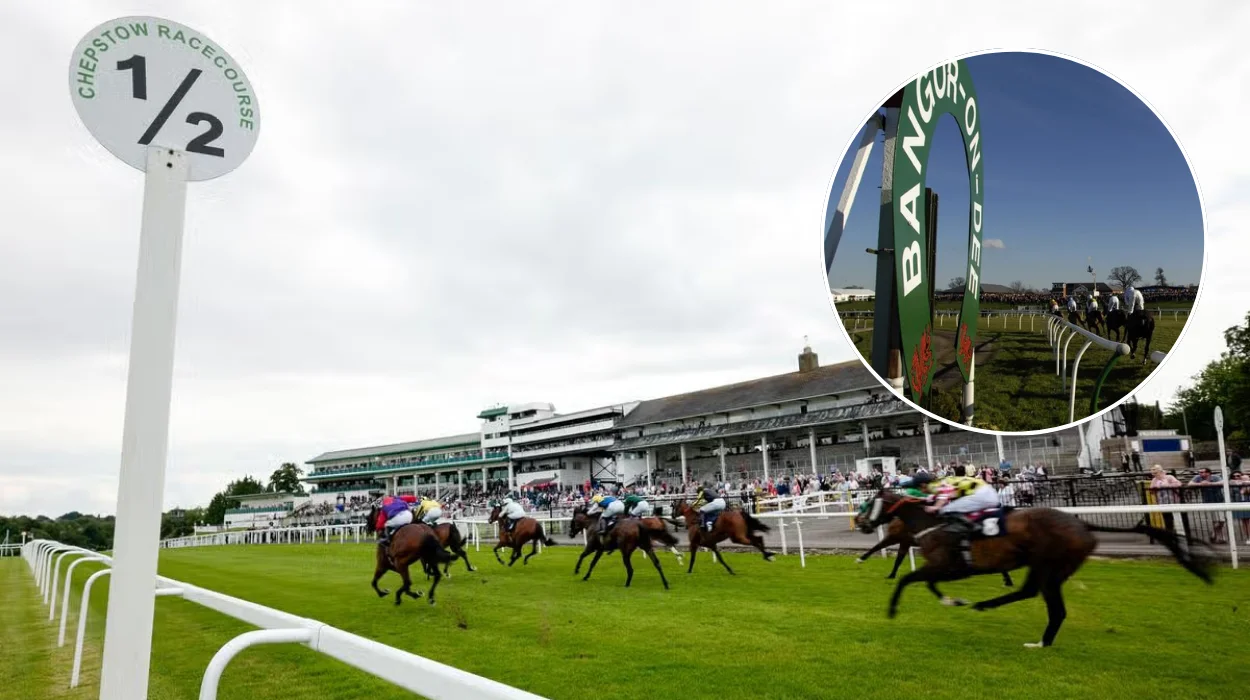
Key Points
- Bangor-on-Dee Racecourse will play a role in a new independent study into horseracing’s economic contribution in Wales.
- The British Horseracing Authority has commissioned the first evidence-based assessment of horseracing’s impact in Wales.
- Cardiff-based research organisation Arad will lead the study.
- The findings are due to be published in autumn 2026.
- Researchers will gather evidence from racing businesses, stakeholders and spectators across the summer.
- Chester Race Company is financially supporting the work.
- Chester Race Company operates Bangor-on-Dee Racecourse and Arena Racing Company on behalf of Chepstow and Ffos Las racecourses.
- Louise Stewart, chief executive of Chester Race Company, said robust evidence is needed to ensure the industry’s value is fully understood.
- Greg Swift, BHA director of communications and corporate affairs, said the research will provide vital evidence of the sport’s significance.
- The study is intended to help show horseracing’s role in jobs, tourism, regional economies and Welsh communities.
Bangor-on-Dee (Britain Today News) August 04, 2026 – Bangor-on-Dee Racecourse is set to play a central role in a major new study designed to measure how much horseracing contributes to the Welsh economy, as the British Horseracing Authority seeks fresh evidence on the sports financial and social value across the country.
- Key Points
- Why has Bangor-on-Dee been chosen for the study?
- What will Arad Research examine?
- What did Louise Stewart say about the report?
- What is the BHA hoping to prove?
- Why does economic evidence matter now?
- How does horseracing support jobs in Wales?
- How important is tourism to the sector?
- What does this mean for Welsh communities?
- What could the report change?
- Why is this study independent?
- What is the wider context in Wales?
- What happens next in the study?
The project, commissioned by the British Horseracing Authority, will be the first independent, evidence-based assessment of horseracing’s economic impact in Wales. Researchers from Cardiff-based organisation Arad will lead the work, with findings due to be published this autumn after evidence is gathered throughout the remainder of the summer.
Bangor-on-Dee’s involvement places one of Wales’ best-known racecourses at the heart of a wider effort to quantify the industry’s contribution to employment, tourism, local spending and community life. The study will draw on information from racing businesses, industry stakeholders and spectators attending race meetings, allowing researchers to build a broad picture of the sector’s reach.
As reported by Louise Stewart, chief executive of Chester Race Company, in the original announcement, the racecourse operator believes the project is important for understanding the scale of the industry’s contribution. She said:
“Horse racing plays a significant role in Wales, supporting jobs, attracting tourism and generating economic activity in communities. While we witness its impact in the North Wales economy, robust evidence is vital to ensuring the industry’s value is fully understood as we continue to work closely with Government.
“We look forward to the findings of the report, which will help showcase the contribution our racecourses make to the sporting and economic landscape of Wales.”
The British Horseracing Authority says the findings will help build a stronger case for the sport’s importance in Wales, not only in economic terms but also in cultural and regional development. The timing of the report suggests an effort to place horseracing more firmly within wider discussions about Welsh growth, infrastructure and the value of leisure industries.
Why has Bangor-on-Dee been chosen for the study?
Bangor-on-Dee Racecourse’s inclusion reflects its position within the Welsh racing landscape and its links to a wider network of racecourses operating in the nation. Chester Race Company, which operates Bangor-on-Dee Racecourse, is supporting the study financially, alongside Arena Racing Company on behalf of Chepstow and Ffos Las racecourses.
That involvement matters because the research is not being treated as a narrow review of a single venue. Instead, it appears designed to capture the combined value of the racing ecosystem in Wales, from race meetings and hospitality to travel, local business spend and supply-chain activity.
The racecourse’s role is also symbolic. A venue such as Bangor-on-Dee is not simply a sporting location on a calendar; it can bring visitors into the area, support seasonal jobs and connect rural communities to a wider sporting and leisure economy. That makes it a logical site from which to begin a deeper assessment of horseracing’s wider value.
What will Arad Research examine?
Researchers from Arad, based in Cardiff, will lead the independent study and collect evidence from a range of people and organisations connected to horseracing in Wales. The research team is expected to speak to racing businesses, industry stakeholders and spectators, helping to build a detailed evidence base rather than relying on assumptions or historic estimates.
The goal is to identify how racing activity translates into economic impact. That includes direct spending at race meetings, money flowing into hotels, transport and catering, and the wider effects on local enterprises that benefit from race day footfall.
The study will also help test the scale of horseracing’s influence in different parts of Wales. That matters because the sport’s benefits are often felt unevenly, with some communities gaining from tourism and event-driven spending more than others. A properly designed study can reveal where those gains are strongest and how they spread beyond the racecourse gate.
What did Louise Stewart say about the report?
Louise Stewart, chief executive of Chester Race Company, framed the study as an important step in proving the value of racing to Wales. Her remarks underlined a recurring theme in the debate around sport and culture: public and political support often depends on evidence that can be measured and defended.
As she stated in the announcement:
“Horse racing plays a significant role in Wales, supporting jobs, attracting tourism and generating economic activity in communities.”
That line is central to the argument being made by racecourse operators, who want horseracing seen not only as entertainment but as an economic driver.
She added that
“robust evidence is vital to ensuring the industry’s value is fully understood as we continue to work closely with Government.”
In practical terms, that suggests the industry wants research that can support discussions with ministers, policymakers and local authorities about future support, regulation and investment.
Her final point, that the report could
“help showcase the contribution our racecourses make to the sporting and economic landscape of Wales,”
places the issue in a broader national context. The message is clear: the industry wants the numbers to reflect what it believes racegoers and local communities already know.
What is the BHA hoping to prove?
Greg Swift, the British Horseracing Authority’s director of communications and corporate affairs, said the research will provide evidence of the sport’s significance. His comments suggest the BHA is seeking a report that can support long-term engagement with government and strengthen the industry’s public case.
As reported by Greg Swift of the BHA, he said:
“We’re delighted to commission Arad Research to carry out this important work on behalf of the thriving and historic horseracing industry in Wales.”
That wording reflects both the heritage of the sport and the confidence the industry has in its continued relevance.
He also described horseracing as “an economic and cultural powerhouse in Wales,” adding that the BHA wants
“clear evidence to present to the Government that shows the significance of the industry across the country and the role it plays in growing regional economies and communities.”
That statement is important because it goes beyond claims of tradition and looks toward measurable public value.
Why does economic evidence matter now?
Evidence matters because economic arguments carry weight in policy debates. For industries that rely on public understanding, local goodwill and regulatory support, hard numbers often determine how strongly their case is heard.
Horseracing in Wales is likely to be assessed not just on direct revenue but also on wider effects such as visitor spending, seasonal employment and the support it gives to local supply chains. Race days can bring in people who spend money in pubs, restaurants, shops and accommodation providers, and those indirect benefits are often central to the case for sporting venues.
A study like this can also help explain the difference between gross attendance figures and true economic contribution. A race meeting may attract a crowd, but the broader value comes from how that crowd interacts with the local economy and whether the activity creates lasting benefits for surrounding areas.
How does horseracing support jobs in Wales?
One of the strongest claims made by racing operators is that the sport supports employment at several levels. That includes racecourse staff, hospitality workers, trainers, stable staff, transport providers, caterers and local service businesses that see increased demand on race days.
Louise Stewart explicitly pointed to jobs as part of horseracing’s role in Wales. That is significant because employment remains one of the clearest ways to measure whether a sport has a meaningful economic footprint beyond its immediate audience.
The sector may also support indirect jobs by sustaining regional activity that would not exist without race meetings. For smaller communities, the arrival of visitors can create a meaningful boost, especially where leisure and tourism spending matters more than raw footfall statistics might suggest.
How important is tourism to the sector?
Tourism is another key part of the story. Horse racing can attract day visitors as well as overnight stays, particularly when race meetings are tied to hospitality offers or positioned within attractive regional settings.
In Wales, racecourses can function as destination venues, pulling visitors into areas they might not otherwise have visited. That can be especially valuable for local economies that depend on events to fill hotels, restaurants and bars outside peak holiday periods.
Tourism also strengthens the cultural case for horseracing. A race meeting is not only a sporting event but often a social occasion, one that combines heritage, atmosphere and place identity. In that sense, the economic impact is tied closely to the sport’s ability to draw people into local communities and keep them there for longer.
What does this mean for Welsh communities?
The report’s emphasis on communities is as important as its economic focus. Horseracing can help sustain a sense of local identity, especially in areas where racecourses are long-established and deeply embedded in the social calendar.
For nearby businesses, race days can mean extra custom and a predictable boost in activity. For residents, they can mean both opportunities and pressures, from local employment to traffic, noise and infrastructure considerations. A serious economic study should ideally reflect both the benefits and the practical realities.
That balance matters because it allows policymakers to see racing as part of a broader community picture rather than a single-industry claim. If the report is robust, it could help clarify where horseracing adds value most effectively and where any future support should be targeted.
What could the report change?
The findings could influence how Welsh institutions view racing in future. If the report demonstrates a significant economic contribution, it may strengthen the industry’s case for support, partnership and inclusion in regional growth strategies.
It could also shape how racecourses communicate with local government and national ministers. Hard data on employment, tourism and spending often plays a decisive role in grant discussions, licensing debates and planning conversations.
More broadly, the report could become a reference point for public debate around horseracing’s place in Welsh life. If the industry wants to be seen as both a heritage and an economic asset, this study may provide the evidence it needs.
Why is this study independent?
The fact that the assessment is being described as independent is important. Industry-backed research can sometimes be viewed with caution, but an evidence-based study led by an external Cardiff organisation may carry greater credibility.
Independence matters because it helps separate advocacy from analysis. Even if the racing sector is supporting the project financially, the value of the report will depend on whether Arad can gather, test and present the data fairly.
That should matter to readers, policymakers and local communities alike. A report that is seen as balanced is more likely to influence decisions and less likely to be dismissed as promotional material.
Explore More about Sports:
Aldi launches £3,000 sports fund for grassroots clubs in Great Britain in 2026
26 Northern Ireland Athletes Head to British Transplant Games
What is the wider context in Wales?
Horseracing is entering this study at a time when many sectors in Wales are under pressure to demonstrate their economic worth. Culture, sport and tourism are often asked to justify investment in hard numbers, especially when governments face competing demands on public money.
That broader backdrop makes the BHA project more than an isolated sporting exercise. It forms part of a wider conversation about how Wales defines growth, how regional economies are supported and how heritage industries are valued in modern policy.
It also reflects the reality that economic impact now matters in almost every public-facing sector. For horseracing, the question is not just whether people enjoy the sport, but what measurable benefit it delivers to the places where it operates.
What happens next in the study?
The next stage is evidence collection throughout the summer. Researchers will speak to businesses, stakeholders and racegoers, building a picture that can be analysed and presented later in the year.
The autumn publication deadline means the industry and policymakers should not have long to wait for the results. Once published, the study is likely to generate further discussion around horseracing’s future role in Wales, especially if the numbers are strong enough to support the claims being made by the BHA and racecourse operators.
For now, the main story is that Bangor-on-Dee has become a focal point in an important attempt to measure an industry that says it is central to jobs, tourism and regional development. The report may not end the debate, but it could shape it decisively.