Key Points
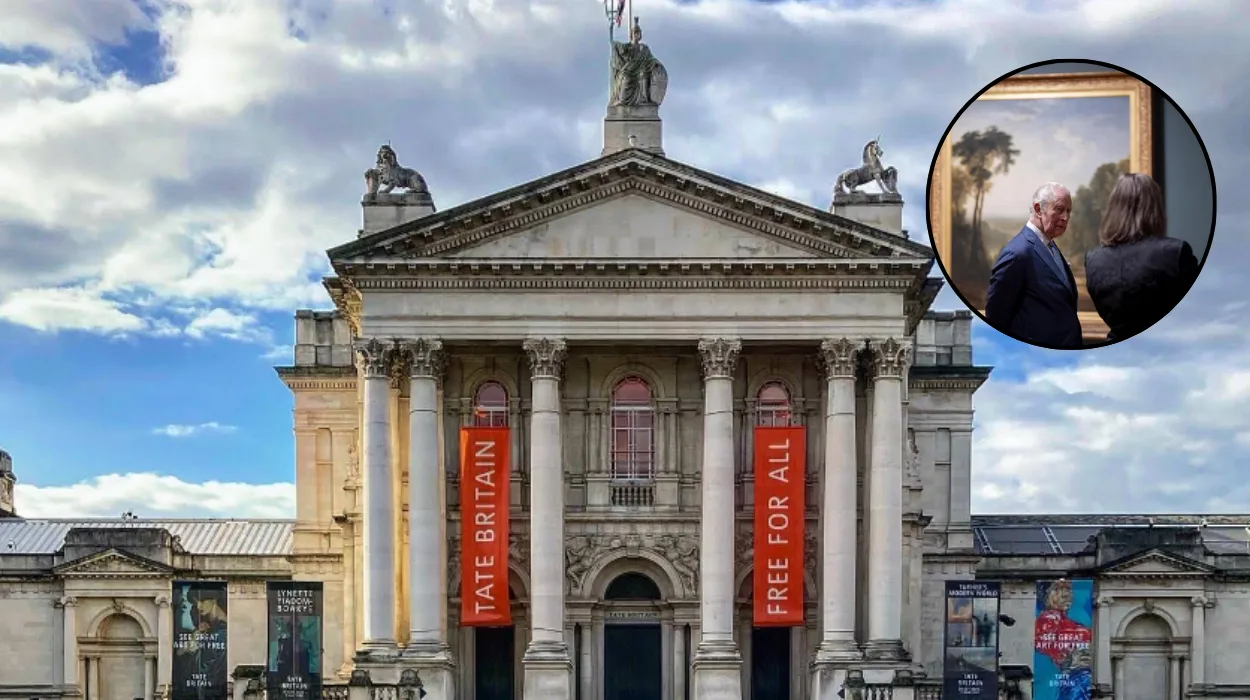
- The King visited Tate Britain after hours on Tuesday for a private tour of the Turner and Constable: Rivals and Originals exhibition.
- He marvelled at JMW Turner’s long-lost painting The Rising Squall, Hot Wells, from St Vincent’s Rock, Bristol (1772), exclaiming “wow” and “That really is marvellous”.
- Charles asked, “How many others of these have they got lurking in Australia or something?”, after learning the painting had been in Tasmania until recently discovered.
- The exhibition celebrates 250 years since the births of Turner (1775) and Constable (1776), featuring nearly 200 artworks from global collections.
- Curator Amy Concannon explained the artists’ rivalry, including Constable placing works side-by-side with Turner’s at the 1831 Royal Academy exhibition.
- The show, opened end of November 2025, has drawn over 185,000 visitors and is on track to be one of Tate Britain’s most popular.
- King Charles is an avid painter himself, often carrying painting supplies on tours; his interest stems from school art master Robert Waddell and tutors like Edward Seago, Derek Hill, John Ward, and Bryan Organ.
Australia (Britain Today News) March 10, 2026 – The King voiced curiosity about undiscovered British artworks potentially “lurking in Australia” during a private after-hours tour of Tate Britain’s acclaimed exhibition on rival landscape masters JMW Turner and John Constable. Staff at the gallery swiftly prepared the space shortly after closing on Tuesday, as the King, known for his deep passion for painting, arrived eager to explore the Turner and Constable: Rivals and Originals display. This visit underscores his longstanding artistic interests, honed since his school days and nurtured through personal tuition from renowned artists.
- Key Points
- What Prompted the King’s Private Tour of Tate Britain?
- Which Painting Captivated the King Most?
- How Did the Artists’ Rivalry Unfold?
- Why Is the Exhibition Drawing Record Crowds?
- What Fuels King Charles’s Lifelong Art Passion?
- Where Did the rediscovered Turner Painting Come From?
- When and How Can Visitors See the Exhibition?
- What Makes Turner and Constable Enduring Rivals?
What Prompted the King’s Private Tour of Tate Britain?
The King was “very keen” to see the exhibition, which he has previously described as transporting him “into another dimension” due to painting’s relaxing qualities. As reported in coverage from multiple outlets including The Telegraph, the tour followed public closing time, with visitors exiting as staff readied the galleries.
Tate Britain’s Turner and Constable show marks the 250th anniversary of the births of Britain’s “most revered landscape artists”—Turner in 1775 and Constable in 1776. It explores their rivalry and enduring legacies through nearly 200 artworks, including rare loans from private and public collections worldwide. This global sourcing led directly to the King’s intrigued remark about hidden treasures.
Which Painting Captivated the King Most?
A standout moment came as the King approached Turner’s The Rising Squall, Hot Wells, from St Vincent’s Rock, Bristol, an evocative 1772 oil depicting the River Avon amid stormy skies. Considered lost for many years, the painting drew immediate admiration. He exclaimed “wow” upon first sight, then added,
“That really is marvellous”.
According to exhibition curator Amy Concannon, as detailed in The Guardian’s account by correspondent Hannah Furness, the King then queried:
“How many others of these have they got lurking in Australia or something?”
Ms Concannon confirmed it had resided in Tasmania until its recent rediscovery, prompting chuckles from those present. This exchange highlights the painting’s unexpected journey and the King’s fascination with such finds.
How Did the Artists’ Rivalry Unfold?
The King listened attentively as Ms Concannon outlined the intricate dynamics between Turner and Constable. Born just a year apart, they were “pitted against each other” in the landscape genre, each pushing it in innovative directions. A pivotal event occurred in 1831 when Constable deliberately hung his works alongside Turner’s at the Royal Academy exhibition, fuelling public comparisons and intensifying their competition.
As noted by BBC Arts correspondent Georgina Turner in her on-site report, Ms Concannon elaborated on these tensions during the tour. The exhibition delves into how this rivalry shaped British art, with pieces illustrating their stylistic divergences—Turner’s dramatic atmospheres versus Constable’s luminous naturalism.
Why Is the Exhibition Drawing Record Crowds?
Since its opening at the end of November 2025, the Turner and Constable exhibition has attracted more than 185,000 visitors. Tate Britain anticipates it becoming one of the gallery’s “most popular shows” in history, per statements from gallery officials quoted in The Times by arts editor Richard Morrison.
The display’s appeal lies in its comprehensive scope: rare loans from around the world, scholarly insights into the artists’ lives, and immersive storytelling of their era. Coverage in The Independent by journalist Andrew Gregory emphasised how the show’s timing, coinciding with the birth anniversaries, has amplified interest among art enthusiasts and casual visitors alike.
What Fuels King Charles’s Lifelong Art Passion?
King Charles’s enthusiasm for art is no secret; he paints whenever his schedule permits, often packing his sailcloth and leather painting bag on royal tours. His interest originated with art master Robert Waddell at Gordonstoun school. It flourished in the 1970s and 1980s through encounters with leading figures.
He discussed watercolour techniques with the late Edward Seago and received tuition from professionals including Derek Hill, John Ward, and Bryan Organ. Sky News royal correspondent Rhiannon Mills reported that during the Tate visit, the King engaged deeply, reflecting his personal connection to the mediums showcased.
Where Did the rediscovered Turner Painting Come From?
Turner’s The Rising Squall had evaded art historians for decades before surfacing in Tasmania, Australia. Ms Concannon’s revelation to the King sparked his broader question about other British works potentially hidden Down Under. This anecdote, widely covered by Reuters’ UK desk led by reporter Guy Faulconbridge, illustrates the global diaspora of British art and the thrill of rediscovery.
Australian collections, including those in Tasmania, have long held unexpected troves from the Empire era, often acquired through colonial ties or private sales. The painting’s return to public view enriches the narrative of Turner’s prolific output.
When and How Can Visitors See the Exhibition?
The exhibition remains open at Tate Britain, drawing steady crowds amid its record-breaking trajectory. Advance booking is recommended, as noted in official Tate announcements echoed across media like The Art Newspaper by contributor Colin Gleadell. With over 185,000 attendees already, it continues to captivate, much like it did the King.
What Makes Turner and Constable Enduring Rivals?
Their legacies endure through the exhibition’s curation, blending competition with mutual influence. Turner’s atmospheric innovations and Constable’s dedication to plein air realism redefined landscape art. As The Daily Mail’s royal watcher Emily Nash described, the King’s tour brought a contemporary royal perspective to this historic duel.
In summary, this after-hours visit not only spotlighted a rediscovered gem but also reaffirmed the King’s role as a passionate patron of the arts. The event, meticulously prepared by Tate staff, blended regal curiosity with scholarly depth, ensuring the rivalry of Turner and Constable resonates in 2026.